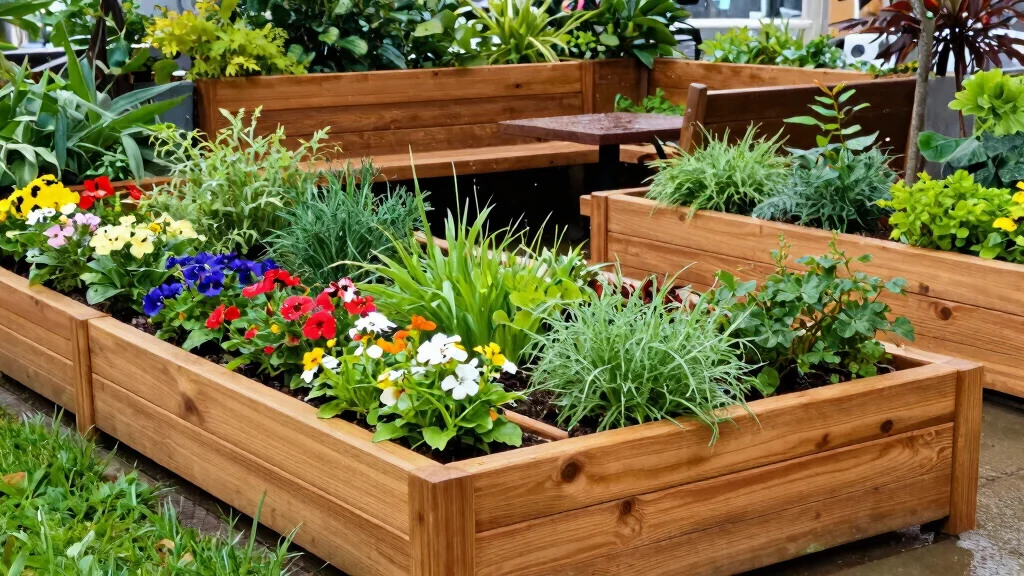
Gardening in wet climates can be a challenge, especially when it comes to choosing the right materials for your planter boxes. If you’ve ever dealt with wooden planter boxes that have rotted away after a rainy season, you know how frustrating that can be. That’s why I created this post—because I want to help you find solutions that are not only functional but also eco-friendly. Cedar wood is naturally rot-resistant and makes an excellent choice for outdoor gardening in damp conditions.
If you’re passionate about gardening and want to create a thriving urban garden, this guide is for you. Whether you’re a seasoned gardener or just starting out, you’ll find inspiration here. From elevated boxes to custom designs, these ideas will help you maximize your space while keeping your plants healthy and safe from rot.
In this post, I’ve compiled 14 innovative cedar planter box ideas that are perfect for wet climates. You’ll discover designs that are practical, aesthetically pleasing, and suitable for various gardening needs. Let’s dive into these creative solutions that will make your gardening experience enjoyable and successful.
Key Takeaways
– Cedar wood is naturally rot-resistant, making it ideal for planting in wet climates without the worry of decay.
– Elevated cedar planter boxes not only improve drainage but also reduce back strain when gardening.
– Multi-tiered designs maximize your gardening space and can support a variety of plants in a compact area.
– Incorporating built-in trellises into your planter boxes allows for vertical gardening, perfect for climbing plants.
– Adding a drainage system to your planter boxes ensures that excess water is effectively removed, keeping roots healthy.
1. Elevated Cedar Planter Boxes
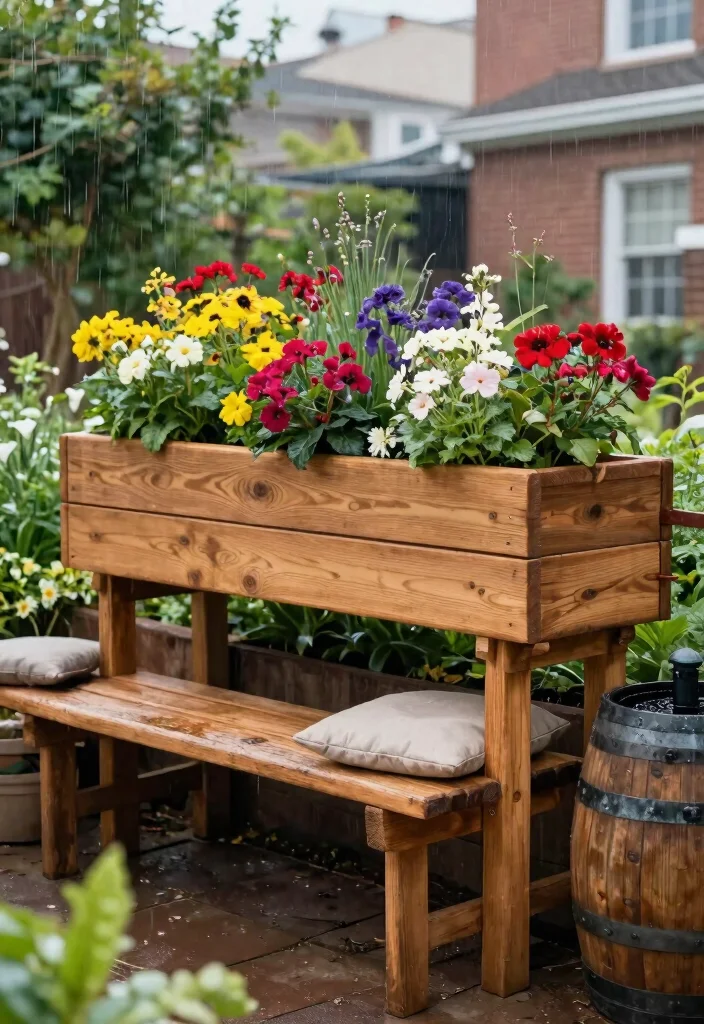
If you’re seeking a practical gardening solution, elevated cedar planter boxes are just what you need. These raised boxes ensure optimal drainage, keeping your plants dry and healthy in wet conditions. Plus, they make gardening accessible, reducing strain on your back. Adding a cozy seating area beneath these boxes can create a charming retreat in your garden space.
To make the most of your elevated planter, keep these tips in mind:
– Create drainage holes at the bottom for excess water.
– Mix soil with organic matter for better nutrients and drainage.
– Install a rainwater collection system to utilize the area’s moisture.
Add a pop of color with paint or a natural wood stain. This not only enhances the visual appeal but also protects the wood, ensuring your garden looks great all year round.
Fun fact: Elevating cedar planter boxes can boost drainage by up to 30%, keeping soil drier and roots healthier in wet climates. A comfortable seat beneath turns your garden into a back-friendly retreat while you tend thirsty plants.

Elevate Your Garden - Opt for a brilliantly engineered raised garden bed to revolutionize your gardening. Its spacious design, measuring 48x24x30 inches, allows for the cultivation of multiple vegetable varieties alongside a plethora of herbs, optimizing your gardening space for ease and diversity.

SPACIOUS PLANTING AREA:The 48"L × 24"W × 30"H raised garden bed provides ample space for vegetables, herbs, flowers, and fruits. Its spacious design supports healthy plant growth with a 300 lb weight capacity.

100% Cedar Wood: Our garden bed is constructed using sustainably sourced cedar wood, known for its durability against the elements.
2. Cedar Planter Box Bench
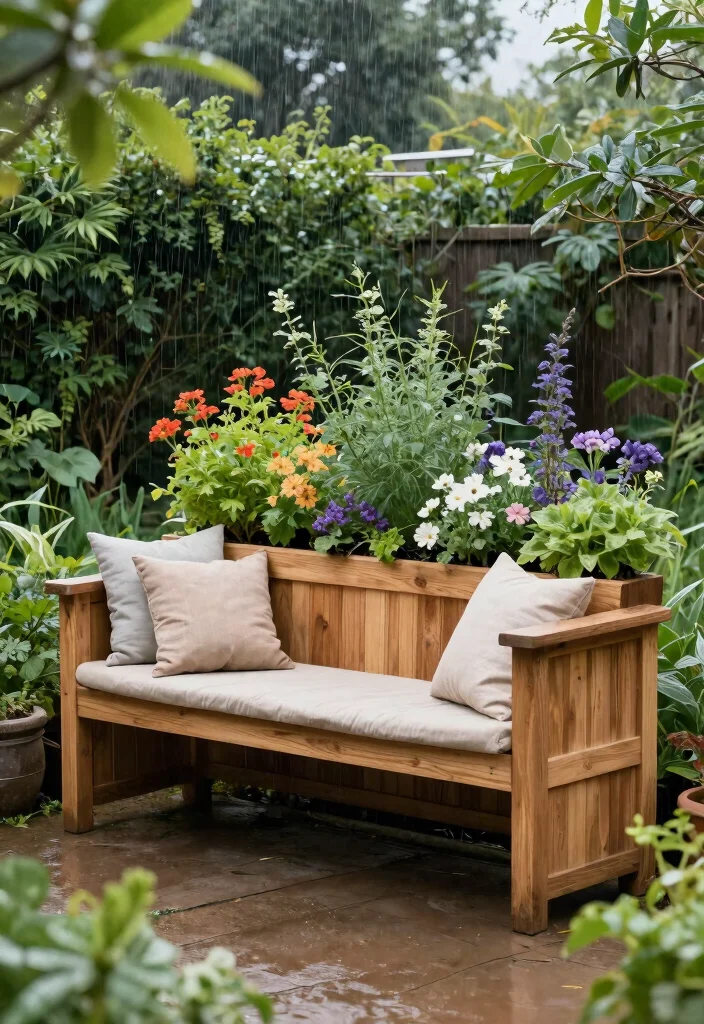
Imagine relaxing in your garden with a cedar planter box bench that combines beauty and utility. This design serves as both a planter and a comfortable seating area, perfect for enjoying your lush surroundings. You can grow herbs, vibrant flowers, or even small veggies, creating a multifunctional piece that enhances your outdoor experience.
When building your bench, consider these suggestions:
– Use sturdy cedar boards for a solid foundation.
– Ensure there are drainage holes to keep plants healthy.
– Add soft cushions for comfort, making it an inviting spot for reading or chatting.
This clever design maximizes your space while adding warmth and charm to your garden or patio. The natural aroma of cedar, paired with blooming plants, creates a serene atmosphere.

Set of 2 square planter boxes made from dark red meranti wood with teak oil finish
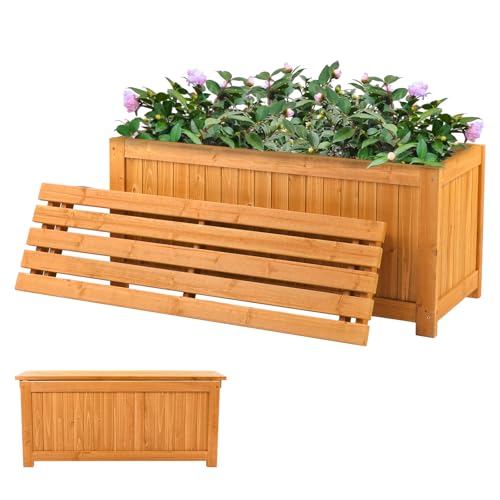
Spacious Rectangular Planter - Generous dimensions provide ample space for multiple plants, flowers, or herbs. The rectangular design allows for organized planting and easy maintenance

2-IN-1 OUTDOOR PLANTER BENCH - This 2-in-1 garden bench combines seating and planting space in one compact design with a bench seat in the middle and 2 planters for outdoor plants on either end, making it an ideal addition to your outdoor furniture.
3. Multi-Tiered Cedar Planter Boxes
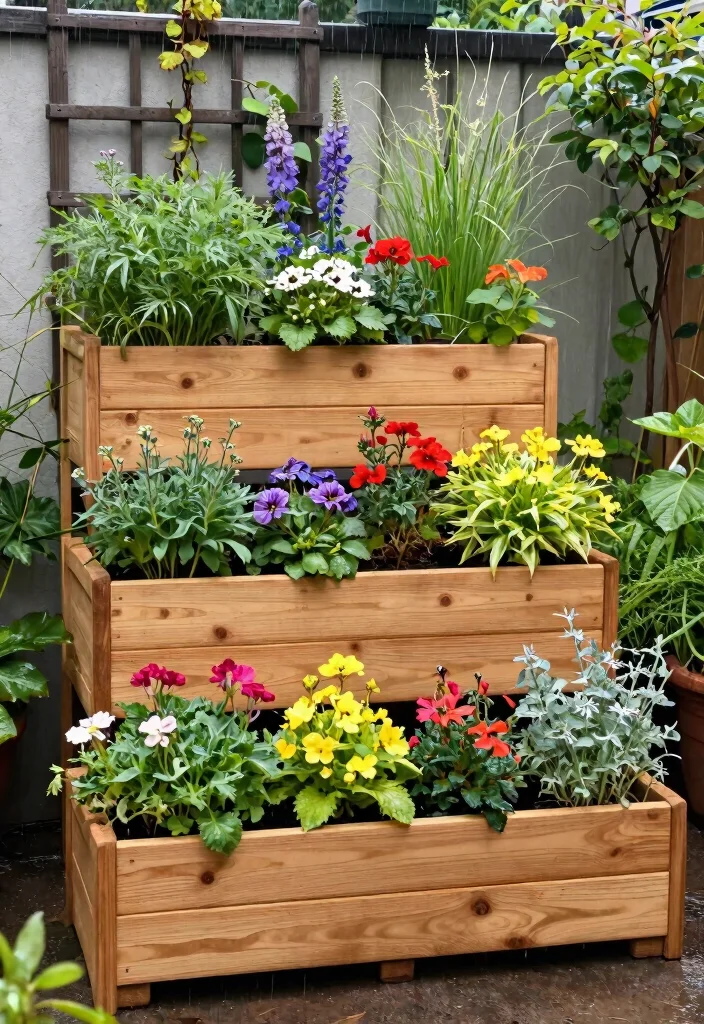
Multi-tiered cedar planter boxes offer a stylish solution for compact gardens, allowing you to maximize vertical space. These tiered designs not only look striking but also enable you to cultivate a variety of plants at different heights, creating a stunning visual display.
When constructing your multi-tiered boxes, keep these points in mind:
– Use smaller sections for herbs and larger ones for bigger plants.
– Ensure each tier has drainage holes and consider lining them with landscape fabric.
– Add a trellis on the back for climbing plants to thrive.
This design is perfect for urban gardening, making it easy to care for your plants while adding depth to your outdoor space.
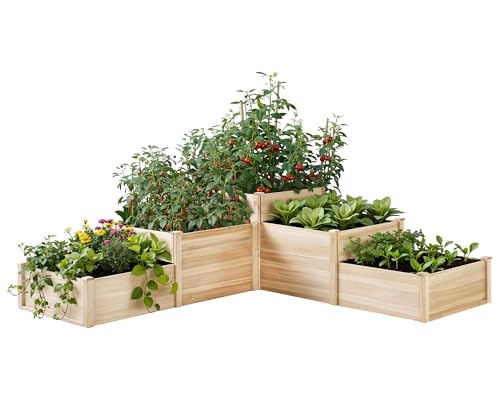
3-Tier Design: Featuring three planting levels, this raised beds for gardening offers 28 inch depths to accommodate different plants, making it ideal for growing vegetables, herbs, and flowers

3-Tier Structure: This trapezoidal planter offers a 3-tier design with different depths, perfect for planting vegetables, herbs, and flowers while creating an attractive, compact garden area.

Sufficient Planting Area: The elevated planter box measures 42" x 34.5" x 15"; The 15-inch depth provides ample capacity for holding soil, allowing plant roots to extend freely and ensuring healthy growth and breathability; This planter is absolutely ideal for growing and displaying vegetables, fruits, and flowers
4. Cedar Planter Box with Built-In Trellis
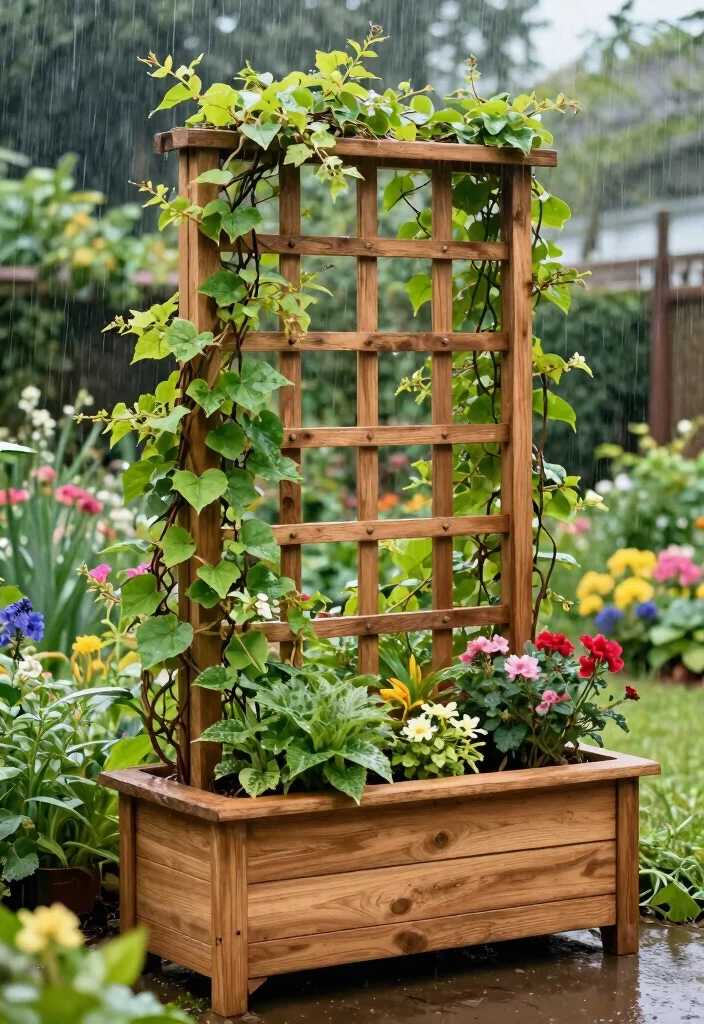
Take advantage of vertical gardening with a cedar planter box featuring a built-in trellis. This design allows for the growth of climbing plants like tomatoes and decorative vines, saving space while bringing height to your garden. You can choose cedar for a classic look or opt for metal for a contemporary edge.
As you design your planter, keep these tips in mind:
– Secure the trellis firmly to withstand storms.
– Select climbing plants suited for your climate.
– Water regularly, as these plants often require more moisture.
This setup not only enhances your growing potential but also adds a decorative aspect to your outdoor area, creating a beautiful backdrop for summer evenings.

Large Planting Space: This raised bed offers a generous planting area with internal dimensions of 45" x 20" x 9"/113 x 50 x 22 cm (L x W x H) and a soil capacity of 4.7 Cu.ft/0.13 M3, supporting up to 176 lbs/80 kg. Ideal for cultivating various plants, such as vegetables, fruits, flowers, and herbs.

【 Vertical Raised Garden Bed with Trellis】Perfect for home gardening lovers, this herb planter outdoor with 4 garden boxes let you plant vegetables, herbs, and flowers in separate plant bed while the 11-inch trellis supports climbing plants like tomatoes, strawberries, vines, and peppers. The balcony raised garden beds outdoor with legs creates an optimal environment for your plants to thrive.

Optimal Frame for Climbing Species: Designed with a 44inch frame and a capacity planter box , our planter offers ample vertical space, ideal for supporting the growth of climbing flowers, vines, and creepers.
5. Custom Cedar Planter Boxes
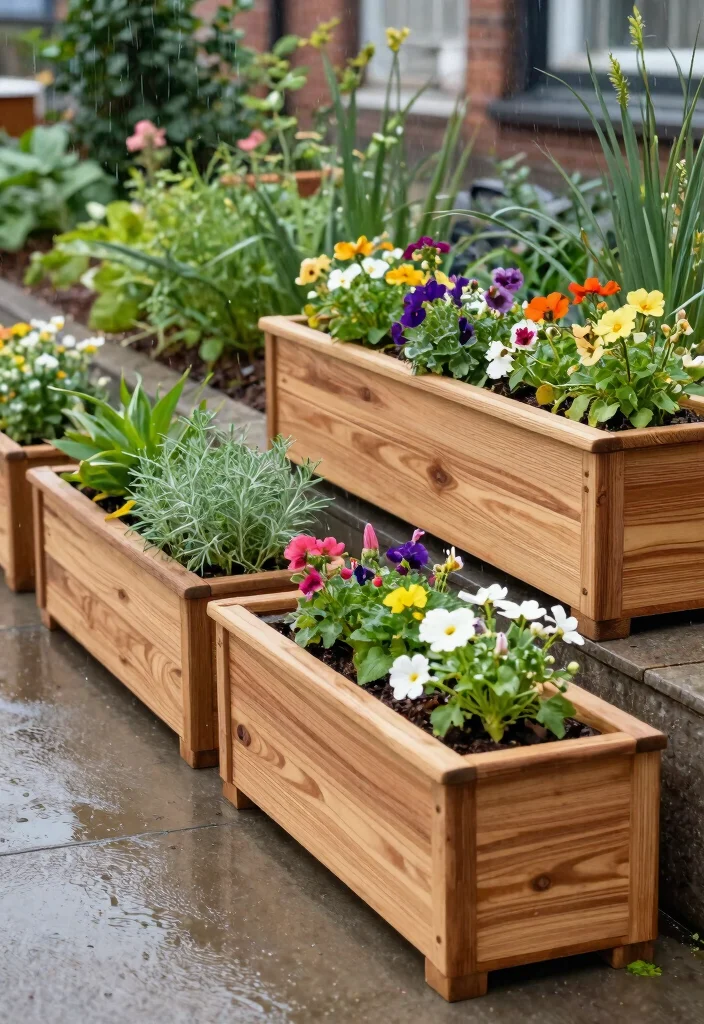
Why settle for ordinary when you can create custom cedar planter boxes tailored to your unique needs? These personalized designs allow you to maximize your space while accommodating the specific plants you want to grow. Whether you need long boxes for herbs or wider ones for flowers, customization makes a difference.
When designing your custom planters, consider:
– Measure your space carefully for a perfect fit.
– Decide on plant types to guide the box dimensions.
– Choose rot-resistant finishes to protect against the elements.
Custom planter boxes not only serve a purpose but also reflect your style, enhancing your garden’s overall look.

High-Quality Material: Made of ultra-durable non-woven fabric, this piece of landscape fabric is the perfect liner for the Large Vegetable Tank Outdoor Large Raised Bed. The liner is porous enough to allow excess water to drain and tough enough to stop soil from escaping

FLEXIBLE HORTICULTURAL PLANTER LINER BAG – Heavy-duty plastic liner designed to fit inside square and rectangular planter boxes. This is a flexible liner, not a rigid container. Planter box is not included.
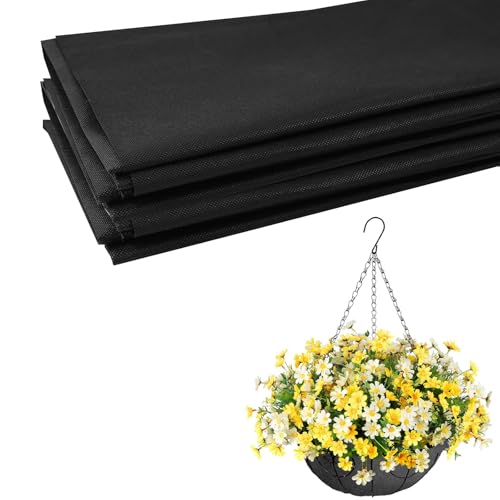
【Durable Material】 This planter liner crafted from super strong nonwoven fabric. It won't crack or tear—perfect as a durable greenhouse bed liner for cold season gardening. It's ideal for northern winter greenhouses or covered patios, withstanding heavy soil, frequent watering, and the moisture fluctuations of enclosed greenhouse environments. Reducing long-term replacement costs for vegetable growers. Great for supporting cold-hardy crops like spinach, lettuce, and radishes.
Key Trade-offs & Our Top Pick
Option Comparison
1. Elevated Cedar Planter Boxes
– Pros:
✔ Keeps plants away from pests and moisture on the ground.
✔ Offers better drainage, minimizing rot risk.
– Cons:
❌ May require more soil and plants can be harder to reach.
❌ Can be more expensive due to height and design.
– Best for: You if you have limited space or want to avoid ground pests while still enjoying gardening.
2. Cedar Planter Box Bench
– Pros:
✔ Provides seating while gardening, making it functional.
✔ Aesthetic appeal adds charm to your outdoor space.
– Cons:
❌ Requires more maintenance to keep its finish.
❌ Can be bulkier, taking up more space than standard boxes.
– Best for: You if you want a multi-functional space for both gardening and relaxation.
3. Cedar Planter Box with Built-In Trellis
– Pros:
✔ Perfect for climbing plants, maximizing vertical space.
✔ Enhances air circulation and sunlight access for plants.
– Cons:
❌ Can be more complicated to assemble.
❌ Requires regular upkeep to support climbing plants.
– Best for: You if you love growing vines or want to create a beautiful vertical garden.
4. Cedar Planter Box with Drainage System
– Pros:
✔ Prevents waterlogging, keeping plants healthy.
✔ Reduces the risk of root rot, ideal for wet climates.
– Cons:
❌ Installation can be tricky for beginners.
❌ May increase costs due to additional materials needed.
– Best for: You if you live in an area with heavy rainfall and need extra protection for your plants.
5. Cedar Planters with Decorative Elements
– Pros:
✔ Adds a unique touch to your garden, showcasing your style.
✔ Can attract attention and enhance the overall garden aesthetic.
– Cons:
❌ Often more expensive due to custom features.
❌ Decorative elements may require extra upkeep to maintain their look.
– Best for: You if you want to express creativity while gardening and enhance your outdoor decor.
Expert Recommendation:
Best Overall: Cedar Planter Box with Drainage System
This option is our top pick because it combines practicality and durability. You get the benefit of rot resistance with a proper drainage system, crucial for wet climates. The ease of maintenance and long-term durability make it a valuable investment for your gardening journey. It suits a variety of plants and is versatile enough for any garden space.
Why We Picked This:
While the Cedar Planter Box with Drainage System is great for most gardeners, some might prefer the elevated option for its accessibility. Others may lean toward the charm of a planter box bench. Consider your gardening needs and space constraints when making your choice.

Durable Cedar Construction – Made from natural cedar wood with thickened panels for enhanced stability and weather resistance. Designed to resist warping and decay, offering reliable performance through multiple seasons of outdoor use.

LARGE PLANTING SPACE: 8.4 cubic feet of space can support your choice of flowers, succulents, vegetables, and more
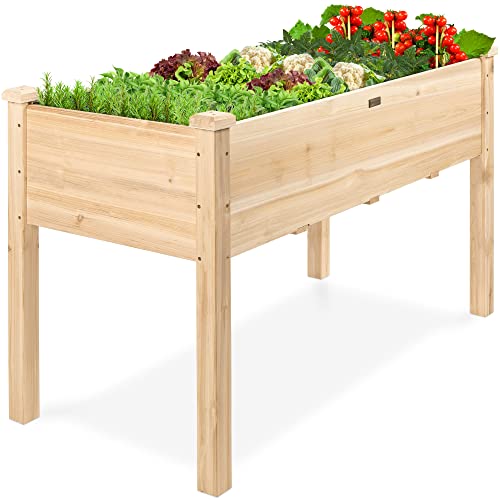
LARGE PLANTING SPACE: Designed with a long bed space (5CuFt) deep enough to provide your plants and vegetables with ample room to breathe and grow healthy
6. Cedar Window Boxes
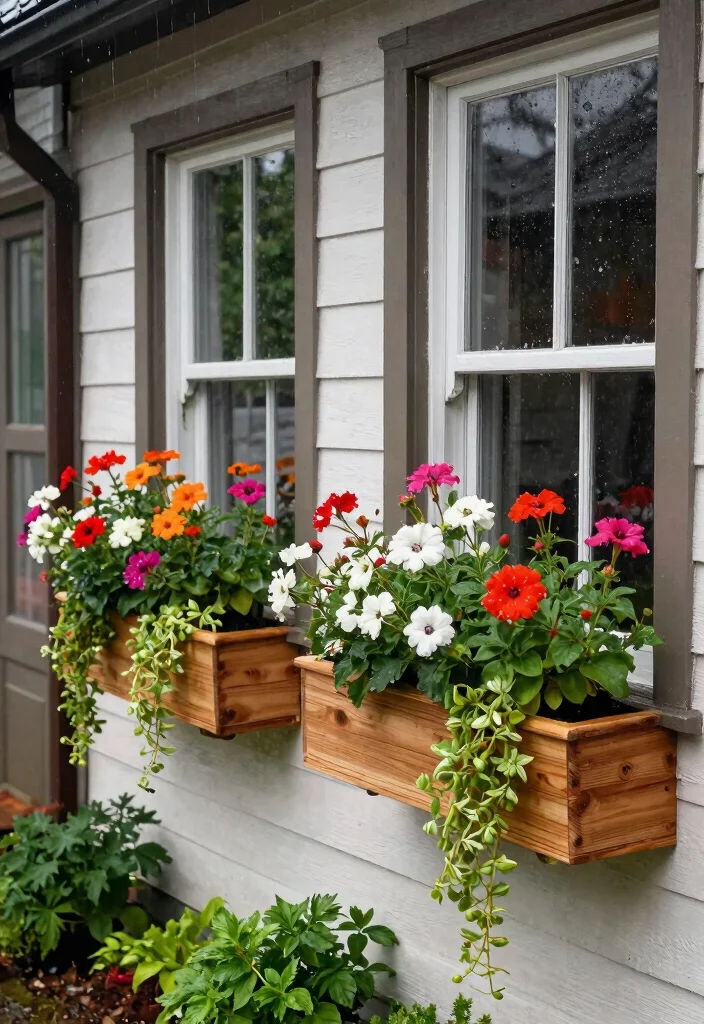
Cedar window boxes bring a touch of nature right to your home, especially in wet climates where plants thrive. These charming boxes can be mounted outside your windows, offering a beautiful view while expanding your gardening space.
When installing your cedar window boxes, keep these points in mind:
– Choose a size that fits your window and allows for drainage.
– Use lightweight potting soil to avoid excess weight.
– Plant a mix of trailing vines and colorful flowers for added texture.
These window boxes not only enhance your home’s curb appeal but create a delightful environment for pollinators. The fresh scent of cedar paired with blooming flowers will brighten your mood on even the rainiest days.

🌻【Garden Bed with Arch Trellis】 The raised garden beds outdoor is designed with a large planter box for cultivating tomatoes, cucumbers, flowers, veggies, herbs, etc. Moreover, there exists a hanging roof and 2 side trellises for climbing plants, such as vines mandevilla. You can also hang some florals, baskets, lights and decorations on it.

AMPLE PLANTING SPACE: Designed with a long bed space (2.65 CuFT) deep enough to provide your plants and vegetables with ample room to breathe and grow healthy; perfectly sized for kids and other fledgling gardeners!
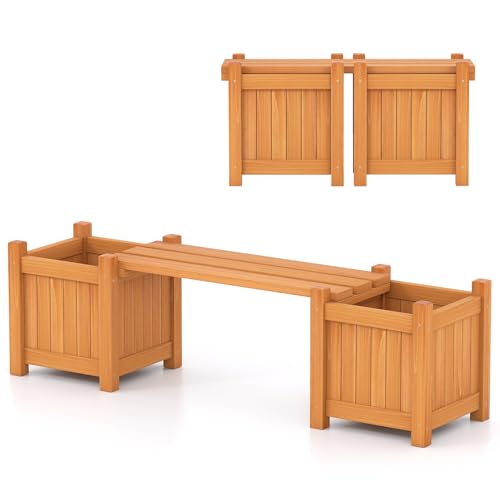
【 Fir Wood & Teak oil finish 】 Crafted of fir wood, our wood planter box with bench is not easy to deform or crack, offering durability and longevity. Furthermore, the wood surface is coated with waterproof teak oil finish, which is built to withstand outdoor element to remain in top condition for years to come. Add an attractive accent for your home and garden.
7. Rectangular Cedar Planter Boxes
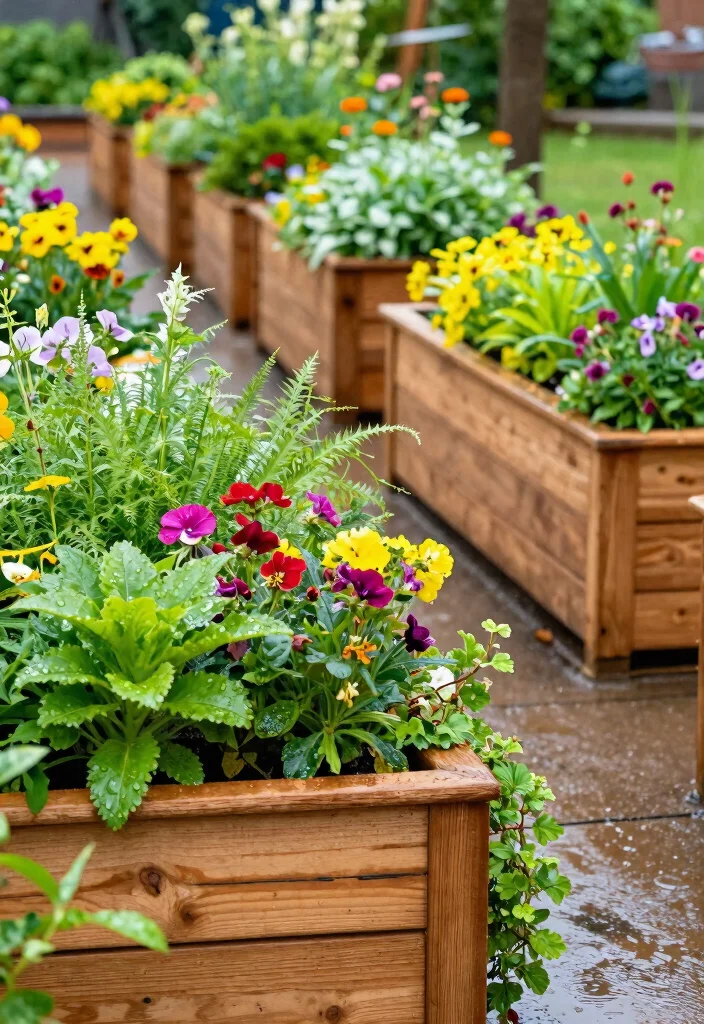
For a straightforward yet effective solution, rectangular cedar planter boxes are a versatile choice for any outdoor area. These boxes can accommodate a variety of plants, from flowers to vegetables, making them ideal for container gardening.
Here are some considerations for your rectangular planter boxes:
– Ensure they are deep enough for your plants’ roots.
– Add casters for easy movement during heavy rains.
– Use a mix of potting soil and compost for optimal drainage and nutrients.
These practical boxes can also be personalized with paint or natural finishes. Their versatility makes them essential for urban gardeners looking to maximize their outdoor experience.

3-TIER EXTRA LARGE SPACE & ERGONOMIC ELEVATED DESIGN: 33.9" height reduces bending and back strain for comfortable gardening, while 3 separate planter boxes (24.7"x21"x7.9" each) provide large room to grow vegetables, herbs, and flowers-no more cramped planting space in your small outdoor garden. The lower shelf can be used for holding planting tools, small bonsai, or potted plants

【 Sturdy Fir Wood Structure 】 The elevated planting box is crafted with natural fir wood, which is not easy to deform or crack, offering durability and longevity. Additionally, reinforced wooden battens and strong support legs provide a reliable structure.

【Perfect Design】: The 3-tier planter box design will not take up too much floor space, which can separate and organize the sections as well as grow different kinds of plants. In addition, the trapezoidal design allows all plants to enjoy full sunlight for better growth. The box bottom of each tier is equipped with drainage holes to help drain excess water and prevent root rot.
8. Cedar Herb Planters
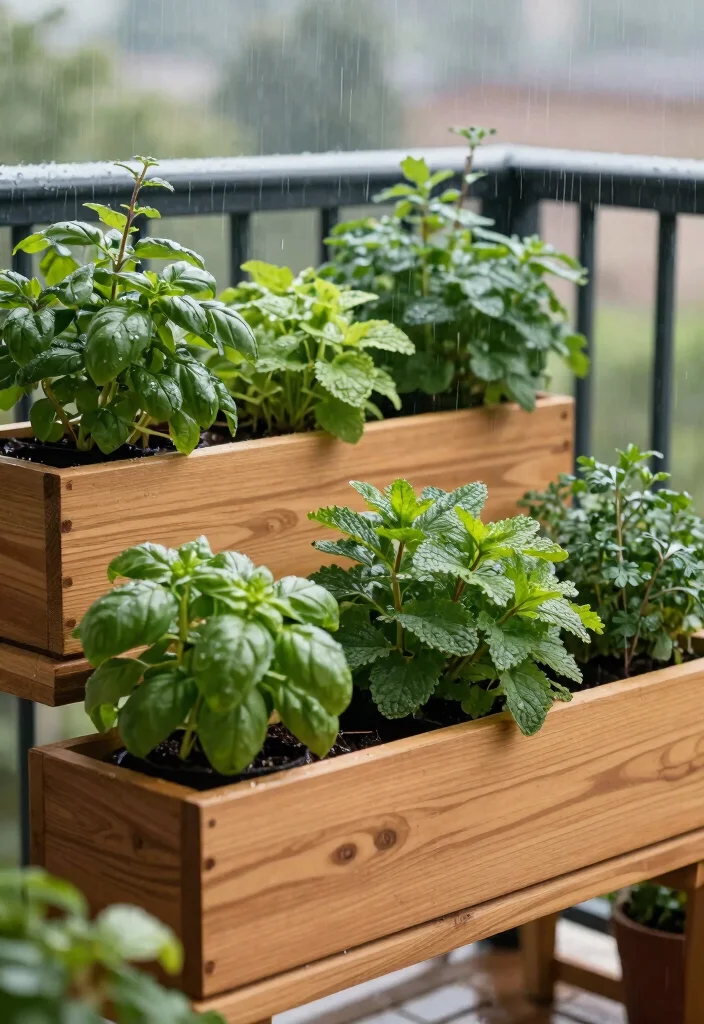
For cooking enthusiasts, cedar herb planters are essential for your urban garden. These compact planters can easily fit on balconies or patios, giving you convenient access to fresh herbs right outside your kitchen.
When creating your herb planters, consider:
– Selecting herbs that thrive in wet conditions, like mint and basil.
– Using a well-draining soil mix to prevent root rot.
– Placing them in a sunny spot to ensure adequate light.
Cedar herb planters can be tailored to fit your style, whether you prefer a simple design or something more elaborate. Their natural resistance to rot ensures you enjoy fresh herbs for years to come.
Fun fact: A cedar planter box with a well-draining soil mix reduces root rot by up to 50% in rainy climates. Mint and basil thrive on sunny balconies, giving you fresh herbs right outside the kitchen.

1 SCREEN PURCHASE: You will receive 1 screen with planter box with your purchase. Please note primary image displays 3 separate screens with planter boxes

【Upgraded Tower Design】The tomato planter box height is 58in, features a unique 4 corner tower design, provide strong support for the plants,vine,vegetables,flowers in your garden, reduce the situation that the branches break due to heavy weight. This design maximizes the vertical space, allowing plants to grow taller and spread out.
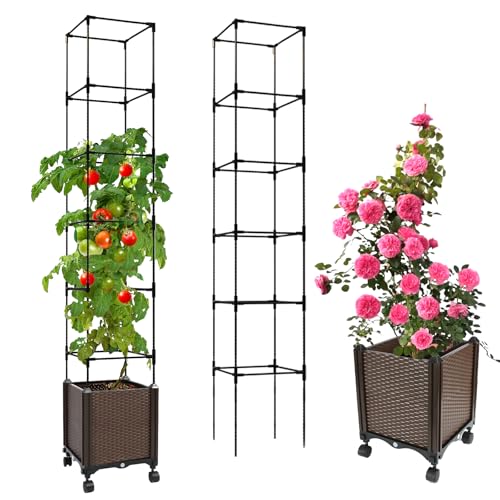
Sturdy Planter Box With Trellis: Enhance your garden with the Jayhalo tomato planter featuring a 7.2-gallon planter box and a 71 inch garden tomato trellis; This raised garden bed for patio is UV-resistant; The high-quality, odor-free plastic ensures durability and long-lasting use.
9. Cedar Planter Box with Drainage System
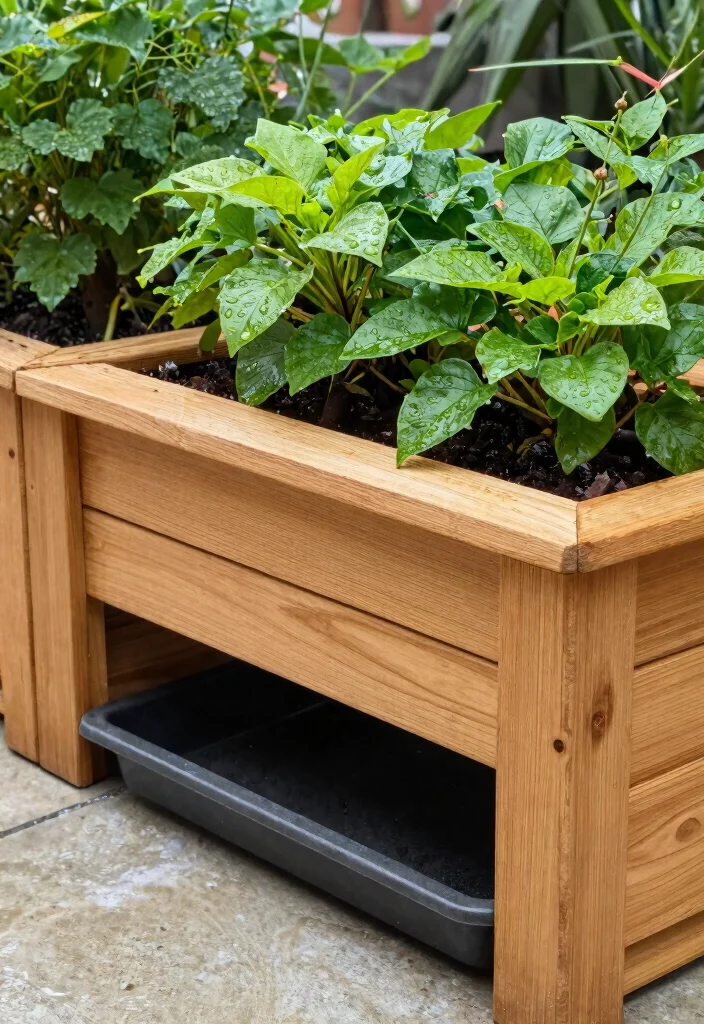
In a rainy climate, a cedar planter box with a drainage system is a smart choice. Proper drainage prevents water buildup, ensuring your plants receive the right moisture for healthy growth. You can design this feature simply or with more intricate details.
Consider these elements:
– Add a removable tray at the bottom for easy water management.
– Use landscape fabric to allow water escape while retaining soil.
– Elevate the box slightly to improve drainage.
A reliable drainage system reduces the stress of overwatering, helping your plants flourish despite heavy rains. This feature is crucial for any urban gardener in wet climates.
Fun fact: A cedar planter box with a drainage tray can cut water buildup by up to 50% in rainy climates. Elevating the box and using landscape fabric keeps soil moist yet well-drained, boosting healthy root growth.

【Perfect Fit for Any Planter】63" x 114" (160cm x 290cm) liner is designed to perfectly match common large vegetable troughs, raised bed dimensions and landscaping projects. The fabric can be easily trimmed with scissors to custom-fit any smaller planter boxes, flower pots, or window boxes, making it a versatile replacement liner for various gardening needs.

Natural Thick Coco Fiber Liner: These trough coconut fiber liners crafted from natural coco fibers, offer excellent breathability and water retention. They keep the soil moist and promote healthy plant growth, making them a sustainable choice for agriculture and gardening, improving soil quality and plant conditions

【Wide Application】Our raised bed liners keep soil in, so you can install the bed on a patio, paved area or concrete slab or any hard surfaces without washing away the soil. They help prevent weeds from infiltrating the flower bed, and drain away excess water to avoid drowning the plants
10. Cedar Planter Box Dividers
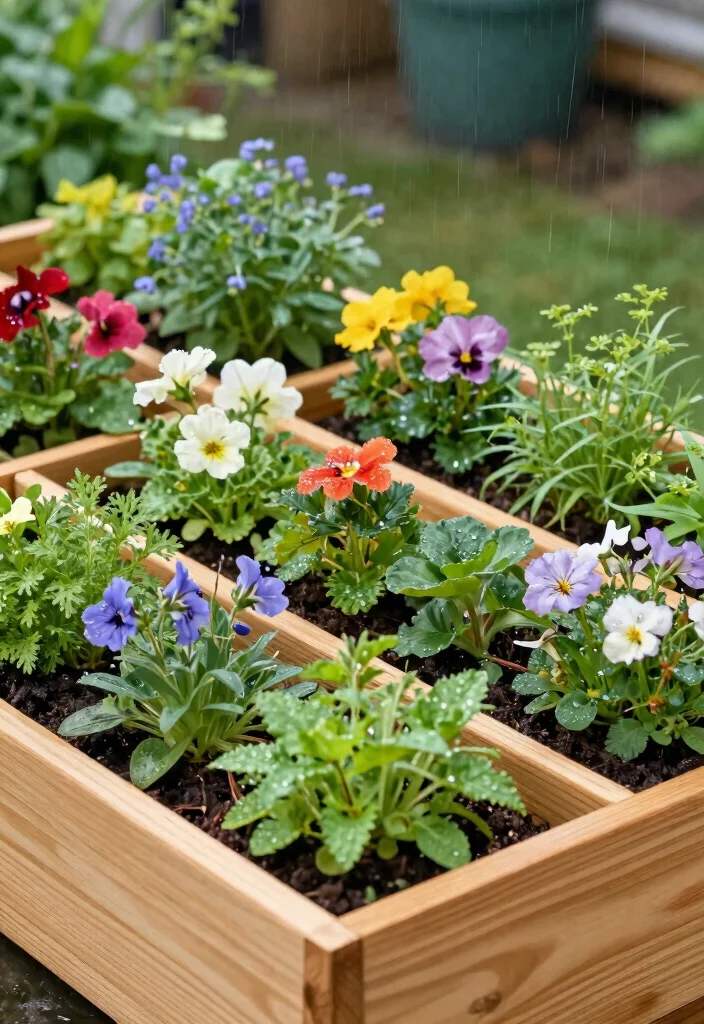
Create organization in your garden with cedar planter box dividers. These separators allow you to grow various plants together without competition for resources, making them perfect for herbs with different watering needs.
For effective dividers, keep these tips in mind:
– Use thin cedar strips to section off areas without occupying too much space.
– Secure the dividers for easy maintenance.
– Label each section for easy tracking of plant needs.
Organized planter boxes not only look great but also simplify care for your plants, making gardening more enjoyable.
11. Cedar Planter Boxes with Liners
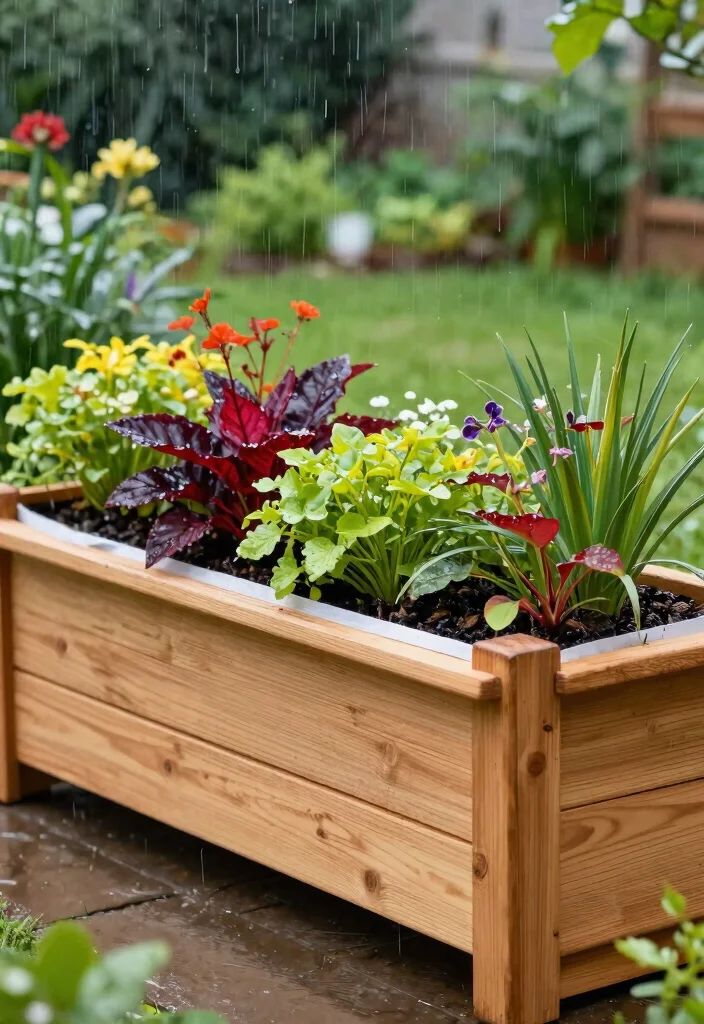
Enhance the life of your planters with cedar planter boxes with liners. Liners made from materials like plastic or landscape fabric protect against rot while allowing for optimal drainage.
Here are tips for using liners effectively:
– Choose a liner that fits snugly for aesthetic appeal and functionality.
– Make sure the liner has drainage holes for excess water.
– Consider biodegradable options for an eco-friendly touch.
This approach extends the life of your cedar planters while maintaining the right moisture levels, leading to lush and healthy plants.
12. Cedar Planters with Decorative Elements
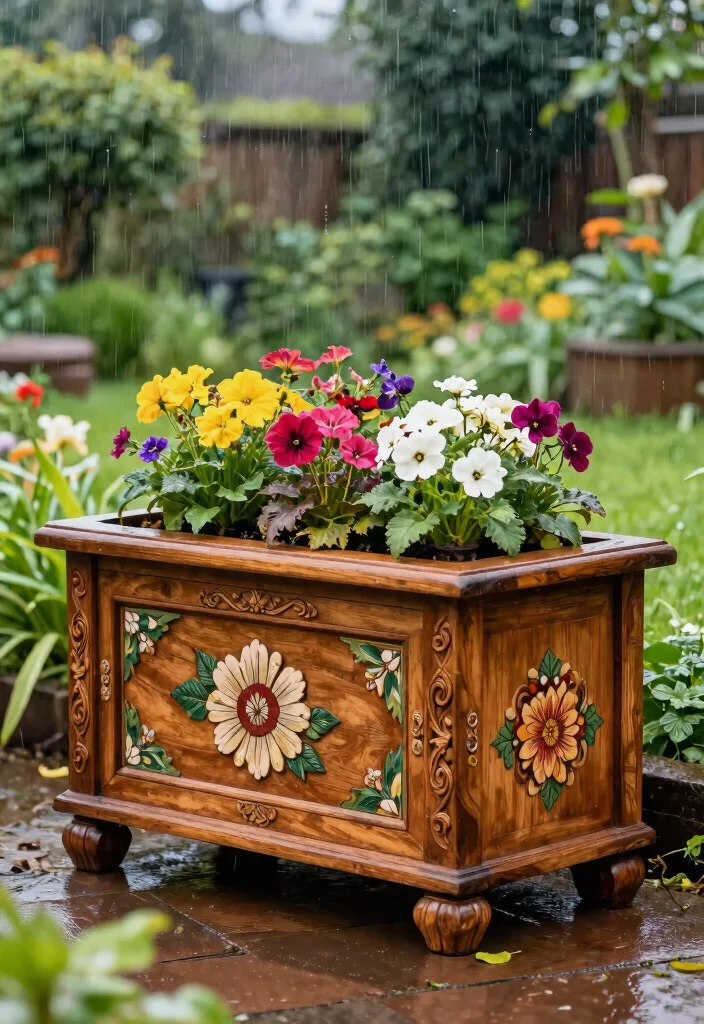
Enhance your garden’s character with cedar planter boxes featuring decorative elements. From intricate carvings to metal accents, these touches add personality while showcasing your creativity.
Consider these ideas for decoration:
– Use stencils to paint vibrant designs on the wood.
– Attach metal brackets or handles for charm and functionality.
– Personalize with family names or garden themes.
These decorative features create eye-catching focal points in your garden, inviting admiration and giving your space a unique touch.
13. Vertical Cedar Planter Boxes
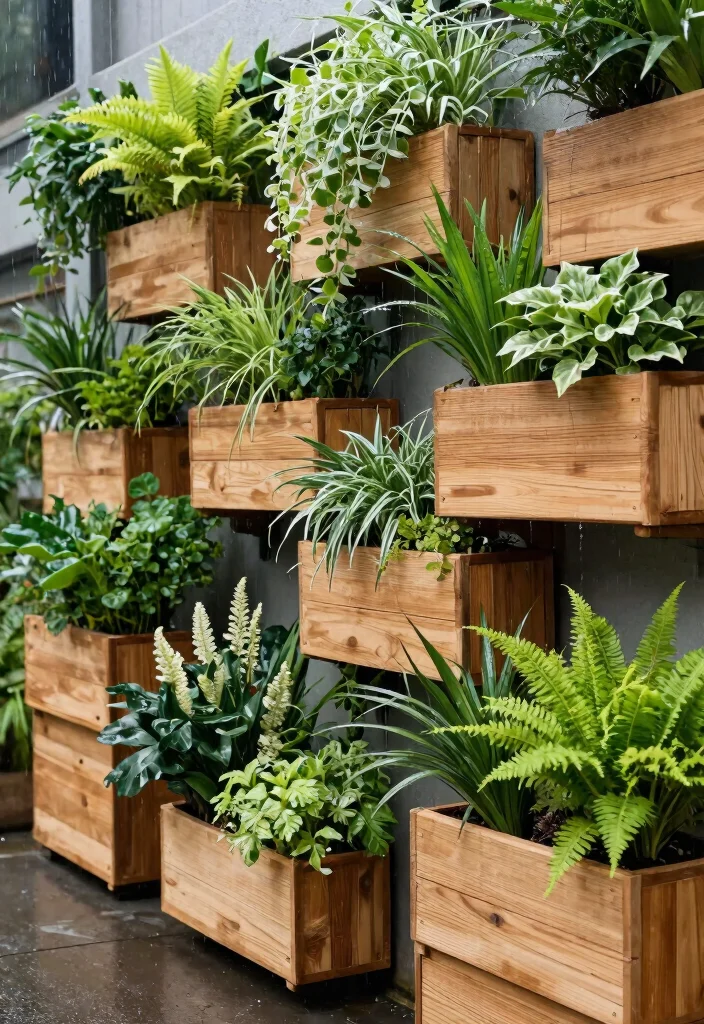
Make the most of your gardening area with vertical cedar planter boxes. These innovative designs allow you to create stunning green walls in your backyard or balcony. Vertical planters can be stacked or hung, perfect for tight spaces where traditional gardening isn’t possible.
For successful vertical planters, keep these tips in mind:
– Use sturdy cedar wood to support multiple plants.
– Include drainage holes to prevent water buildup.
– Select a variety of plants for a layered, visually appealing look.
Vertical gardening saves space and adds dimension, creating a beautiful impact that brightens any urban environment.
14. Simple Cedar Planter Boxes
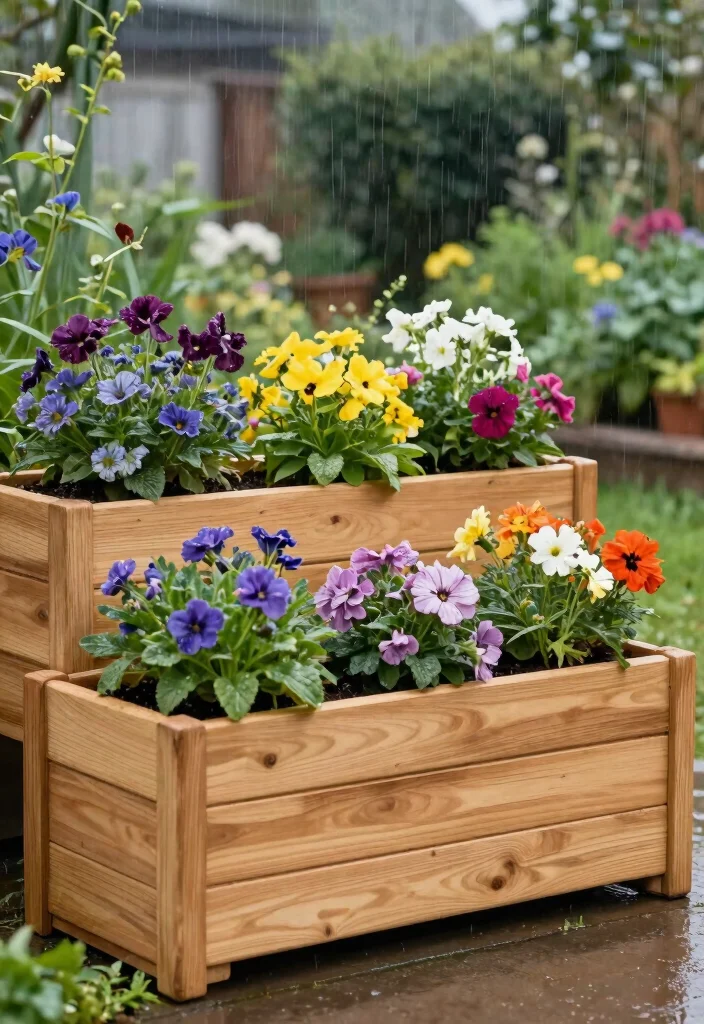
Sometimes simplicity shines, and simple cedar planter boxes exemplify this perfectly. With their clean lines and classic look, these planters blend seamlessly into any outdoor decor. They’re easy to build, making them great for beginner gardeners or anyone seeking a straightforward option.
Here are some tips for your simple cedar boxes:
– Keep the design minimal for a timeless appeal.
– Use untreated cedar for natural aging and patina.
– Let the plants take center stage with a simple design.
These planter boxes provide a blank canvas for your gardening dreams, showcasing the natural beauty of the greenery they hold. Perfect for any style, they ensure longevity thanks to cedar’s natural rot resistance.
Conclusion
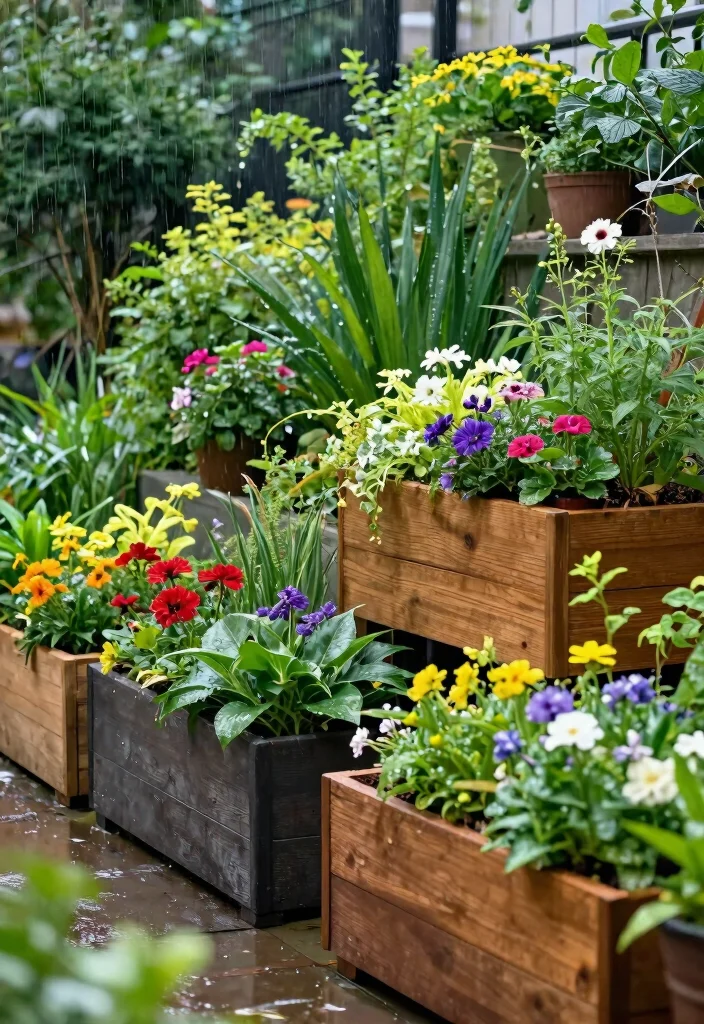
Cedar planter boxes offer an ideal solution for urban gardening in wet climates, combining functionality with beauty. Whether you opt for elevated designs, custom styles, or simple boxes, these ideas will help your plants thrive while resisting decay.
Transform your outdoor space into a lush oasis with these eco-friendly solutions and let your creativity flourish! Embrace the beauty of gardening, rain or shine.
Note: We aim to provide accurate product links, but some may occasionally expire or become unavailable. If this happens, please search directly on Amazon for the product or a suitable alternative.
This post contains Amazon affiliate links, meaning we may earn a small commission if you purchase through our links, at no extra cost to you.
Frequently Asked Questions
Why is a cedar planter box a great choice for urban gardening in rainy climates?
A cedar planter box is naturally rot-resistant thanks to cedar’s oils and tight grain, making it ideal for wet regions. In urban spaces, they’re lightweight, easy to move, and eco-friendly when sourced from sustainable forests. With proper drainage and a simple protective finish, your cedar planter box can thrive for years in outdoor gardening setups.
Tip: always choose untreated or sustainably sourced cedar and avoid pressure-treated lumber for a true rot-resistant wooden planter box.
What are the best practices to prevent a cedar planter box from rotting in wet climates?
Start with a cedar planter box built for moisture: add a drainage layer, drill drainage holes, and elevate the box on feet to prevent ground moisture contact. Use a liner or inner plastic pot to keep interior moisture away from the wood, and seal the exterior with a breathable oil finish like tung oil or linseed oil to maintain flexibility. Choose stainless steel or galvanized hardware to resist rust and keep your box sturdy in rain.
Regularly inspect for cracks and reseal every season to extend life.
What are some practical garden design ideas using cedar planter boxes for small urban spaces?
Cedar planter boxes shine in compact urban environments. Think modular boxes that stack or nest along balconies, railings, or window sills, and tiered arrangements that maximize vertical space. Create a cohesive look by pairing different sizes in a single color or finish, or build a cedar bench-planter combo for seating and garden design ideas. Mix in herbs, leafy greens, and compact vegetables to keep container gardening tips practical and fruitful.
How do I maintain cedar planter boxes to extend their life in wet weather?
Keep outdoor gardening happy by cleaning boxes annually and re-applying a breathable oil finish to protect the wood from moisture. Check screws and hardware for corrosion and replace with stainless or brass if needed. Ensure good drainage and remove standing water after heavy rains. Store unused boxes in a dry place or cover them, and consider rotating plant placements to prevent constant moisture on the same spots.
Are there eco-friendly rot-resistant materials I can use besides cedar for planter boxes in rainy climates?
Yes—while a cedar planter box is a favorite, you can also choose other rot-resistant woods like redwood or cypress, preferably FSC-certified or reclaimed for an eco-friendly approach. For added longevity, line the inside with a natural liner and use rot-resistant hardware to reduce wood contact with moisture. If you need alternatives, consider durable recycled-plastic or composite options, but keep in mind they may not be as easily compostable as wood. Your best bet is pairing cedar with liners and proper drainage for a sustainable, long-lasting container garden.
Related Topics
cedar planter box
outdoor gardening
eco-friendly design
container gardening
rot-resistant materials
urban gardening
rainy climates
garden design ideas
sustainable gardening
beginner friendly
DIY planter boxes
weather-resistant wood