
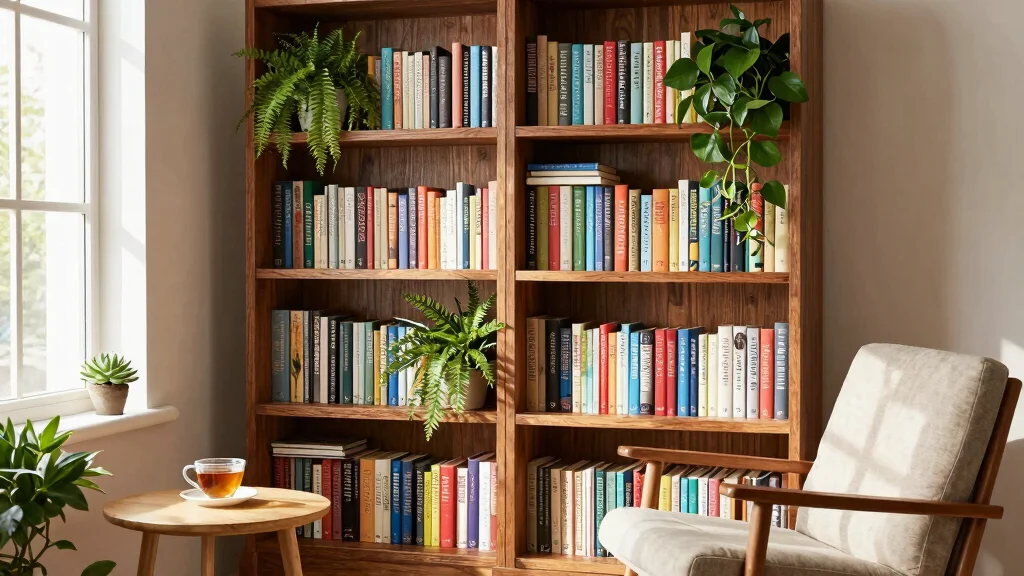
Creating a home that feels inviting and organized can sometimes feel overwhelming, especially when you’re working with limited space. The idea of installing stunning, floor to ceiling bookshelves might have you daydreaming about a cozy reading nook or a stylish home library. But let’s be real—finding the right balance between aesthetics and functionality can be tricky. That’s why I put this post together. I’ve gathered a curated list of twelve unique floor to ceiling bookshelf designs that not only look great but also hold weight without sagging.
If you’re someone who enjoys DIY projects, loves gardening, or simply wants to maximize your small living space, this post is for you. Whether you’re after new garden storage solutions or you’re looking to create an eye-catching display for your books and plants, these ideas will inspire you to think creatively. You’ll discover how to blend practicality with style, making the most out of your vertical space while adding character to your home.
Get ready to explore a variety of bookshelf designs that are chic, sturdy, and perfect for small spaces. From minimalist wooden shelves to quirky ladder designs, there’s something for everyone here. You’ll walk away with practical tips, DIY project ideas, and inspiration for a home library design that speaks to your personal style. Let’s dive in and transform your space!
Key Takeaways
– You’ll learn about twelve creative floor to ceiling bookshelf designs that are sturdy and stylish, ideal for small spaces.
– Each bookshelf project varies in style, offering options that cater to different tastes, from rustic to modern designs.
– Practical tips will help you ensure your bookshelves hold weight without sagging, giving you peace of mind.
– The post includes ideas for integrating gardening into your bookshelf designs, creating a lovely blend of nature and literature.
– Expect actionable advice on how to maximize small spaces while maintaining an inviting atmosphere in your home.
1. The Minimalist Wood Shelf
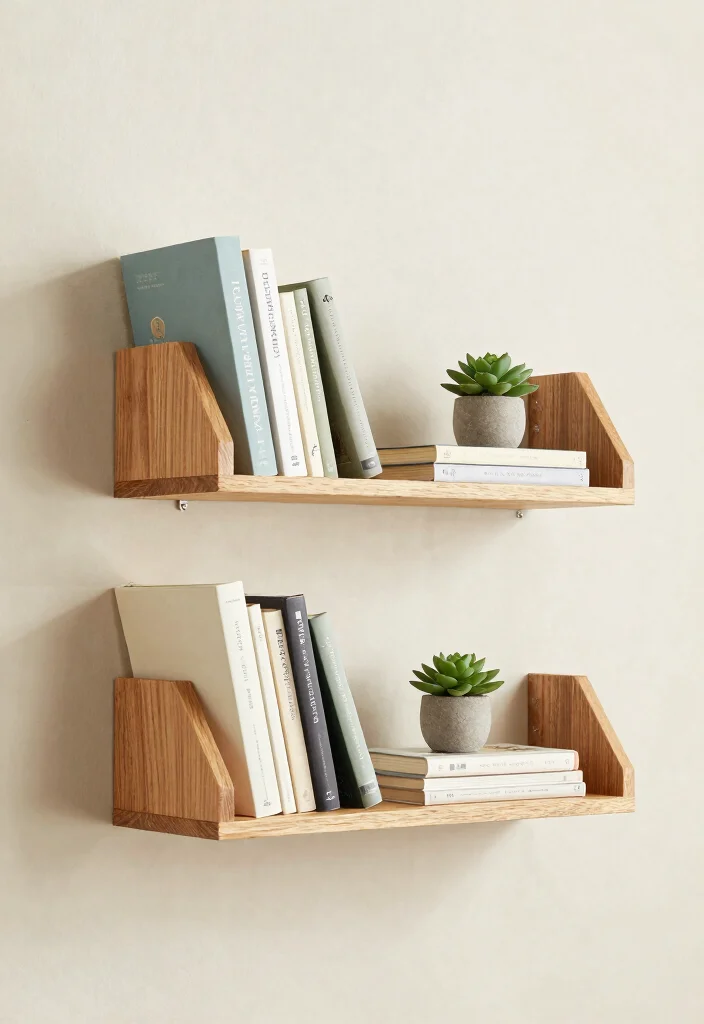
Embracing a minimalist design with wood shelves can redefine your space with simplicity and elegance. This style works beautifully because the clean lines and natural grains create visual harmony, enhancing the overall aesthetic of your room. Opt for high-quality plywood, leaving it unfinished or lightly finished to showcase its organic beauty. Pair it with sturdy brackets to ensure durability and prevent sagging under weight, making it ideal for both books and decorative items. Consider painting the wall behind in a soft, muted color to highlight those rich wood tones.
To implement this look, think about practical solutions that fit your style and budget. Look for plywood at local hardware stores or even consider reclaimed wood for a unique touch. The beauty of this design is that it can easily adapt to current trends while providing emotional comfort through its warmth.
Consider these tips to maximize your minimalist wood shelf’s potential:
– Choose plywood with a thickness of at least 1 inch.
– Utilize wall studs for secure anchoring.
– Leave some space between books for decorative plants or small pots.
This elegant shelf not only serves as storage but also as a striking piece of art, enriching your home library design.

【Space-Saving Wall Bookshelf】Our stylish large wall bookshelf look rustic yet modern, are a great addition if you need extra storage space or if you want to add green decor touch – small indoor plants, succulents, flowers. These floating book shelves can free up floor & counter spaces and make places much tidier and neater in your bedroom, living room and office.

MAXIMIZE YOUR SPACE: Transform empty walls into a functional library with our floating book shelves for wall. These wall mounted bookshelves are the perfect space-saving solution for small apartments, bedrooms, or offices, keeping your floor clutter-free.
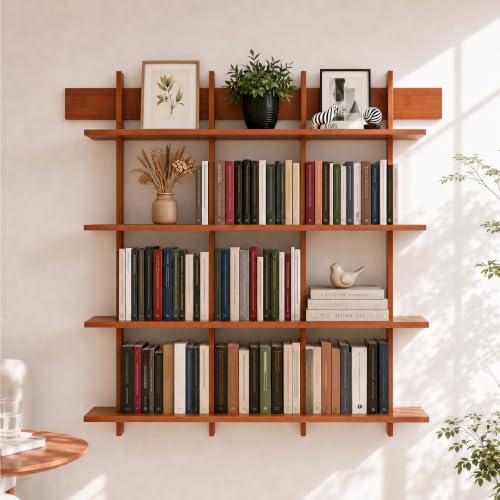
43"W × 52"H Wall Hanging Shelving System — 600 lbs Total Capacity At 43" wide and 52.36" high, this 4-tier wall mounted bookshelf delivers the organized storage of a full-size bookcase — without using any floor space. Each tier supports up to 150 lbs, enough for heavy book collections, ceramic dishware, cast iron cookware, coffee bar equipment, or storage bins. One solid unit replaces multiple small floating shelves — more organized, more stable, and built to handle real weight
2. Corner Bookshelf Planter
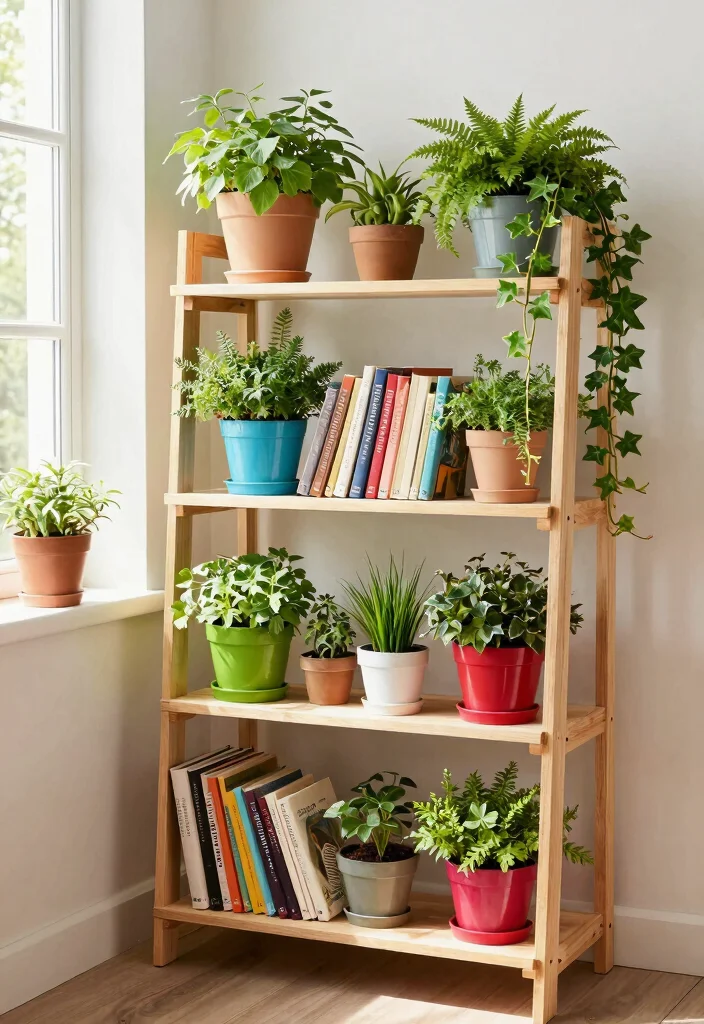
Maximize your corners with a corner bookshelf that beautifully merges books and plants, creating a stunning focal point. This design thrives in small spaces, utilizing vertical shelving to establish a mini indoor garden, promoting a lush and inviting atmosphere. By adding varied pots, especially herbs or trailing plants, you can create a dynamic look that also serves as a delightful storage solution.
For practical implementation, consider using tiered shelves that can accommodate both books and plants, allowing flexibility as your collection grows. Incorporate affordable drip trays for easy maintenance, and explore local nurseries for low-light plant options that fit your decor.
Here are some suggestions to enhance this design:
– Use adjustable shelves for flexibility as your plant collection grows.
– Incorporate a drip tray for easier watering.
– Select a mix of low-light plants for variety and resilience.
This functional design not only maximizes space but also transforms it into a serene retreat, making maintenance a joy.


CUSTOMIZABLE SHELVING: Three optional back panels let you create your ideal look, while the large storage space helps you personalize your decor with your favorite boxes or bins

Five open storage shelves for your favorite home dcor
3. Industrial Pipe Bookshelf
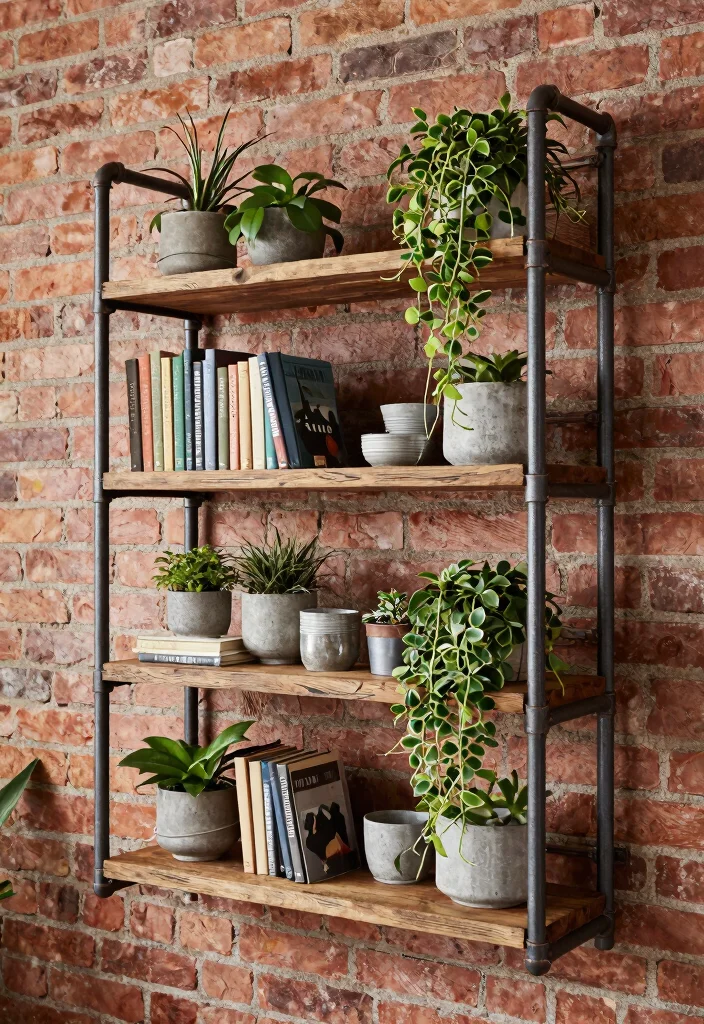
Infuse your home with an urban touch through an industrial pipe bookshelf. This design merges reclaimed wood with sturdy iron piping, creating a robust structure that can hold significant weight without sagging. Ideal for both rustic and modern spaces, it adds character and a unique flair, making it perfect for showcasing gardening books and plants alike.
For installation, ensure that the pipes are securely fastened to the wall for stability. Consider using wood that resists stains to maintain a polished appearance, and choose plant containers that complement the industrial aesthetic, such as metallic or concrete pots.
Enhance your design with these installation tips:
– Ensure pipes are securely connected and anchored to the wall.
– Use stain-resistant wood to maintain a clean look.
– Mix in plant containers that complement the industrial style, such as metallic or concrete pots.
This bookshelf not only serves as a functional display but also makes a bold statement about your design sensibility.

[Narrow Shelf for Small Spaces] This skinny bookshelf takes up only 23.5”D x 14”W of floor space and makes the most of vertical space with its 58” height and 4 shelves. This space-saving ladder shelf works like a charm in small spaces

Classic Barrister Design: Traditional styling blends with modern function in this ladder bookcase, offering an elegant floor to ceiling display for books, art, and more.

【Adjustable height】: The height can be flexibly adjusted within a range of 110-296 cm/43.3-116.5 inches, making it suitable for both low and high ceilings. The spacing between shelves can also be adjusted as needed to easily store books, picture albums, and photo albums of different sizes.
4. Floating Bookshelves
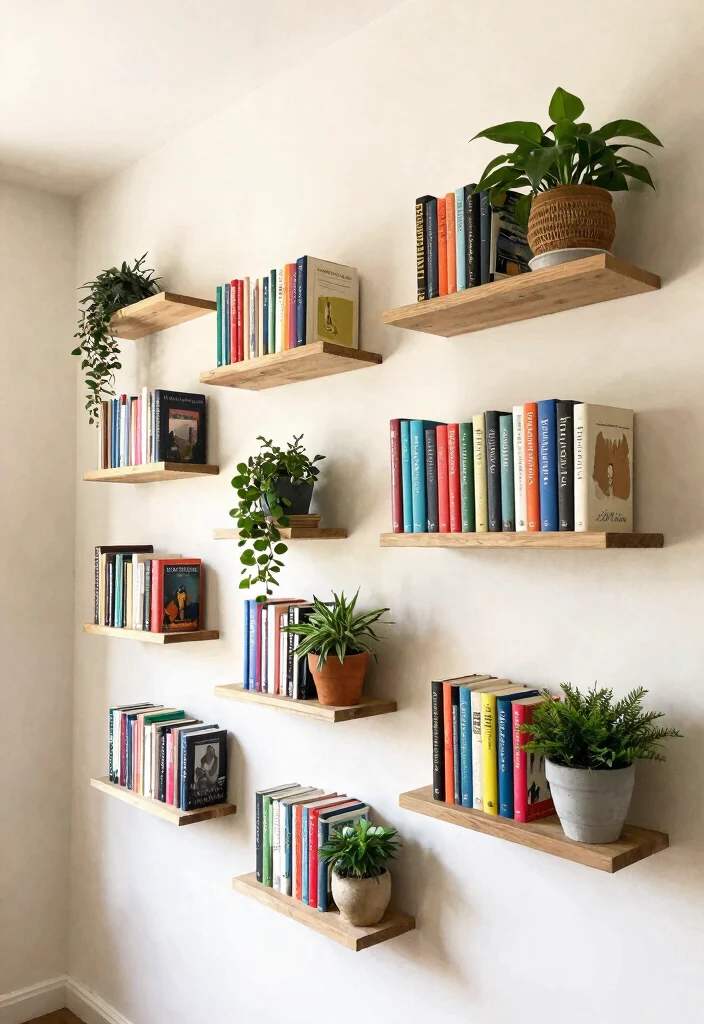
To maximize your small space without sacrificing style, floating bookshelves are a fantastic solution. These shelves create an illusion of weightlessness, allowing for unique arrangements that can showcase books, gardening tools, and potted plants. Their airy design opens up the room, making it feel larger and more inviting.
When installing, focus on using heavy-duty brackets that can support the weight you plan to display. Arrange them at varying heights for a playful look, mixing in small succulents or air plants for added charm and greenery.
Here are a few key considerations:
– Use heavy-duty brackets to ensure they hold their load.
– Space them at varying heights for a fun, dynamic design.
– Mix books with small succulents or air plants for a stylish touch.
This chic option not only provides functionality but also elevates your home library aesthetic.

No Tool Required: Worried about the difficulty in assembly? Choose this 5-tier corner shelf and you will have a joyful experience. You just need to twist in the components with your hands and finish everything without additional tools, simple and relaxing.

Unique Stylish Design:This slim bifold wallet has a stylish and distinctive pattern with an artistic look. The compact and slim structure is easy to slide into pockets, handbags or backpacks, suitable for daily use, shopping, travel and casual outings. It combines appearance with practical function to show your personal taste.
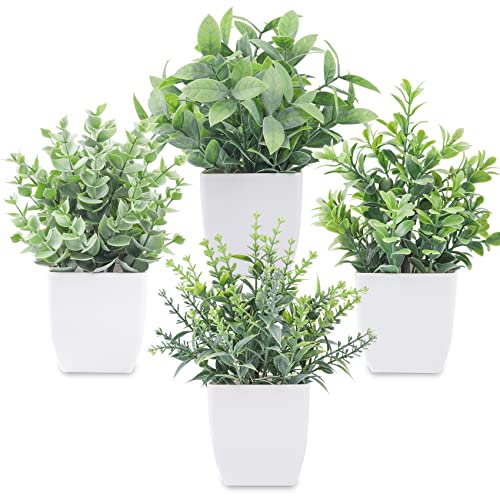
TRUE MINI SIZE, SET OF 4: Each faux plant is about 7 inches tall, with a 2.7-inch-tall white pot. These small fake plants are desktop-scale accents, not large floor plants. Place one on a bathroom counter, office desk, windowsill or shelf, or group all four for a fuller look. Please measure your space before buying.
5. Reclaimed Wood Bookshelves
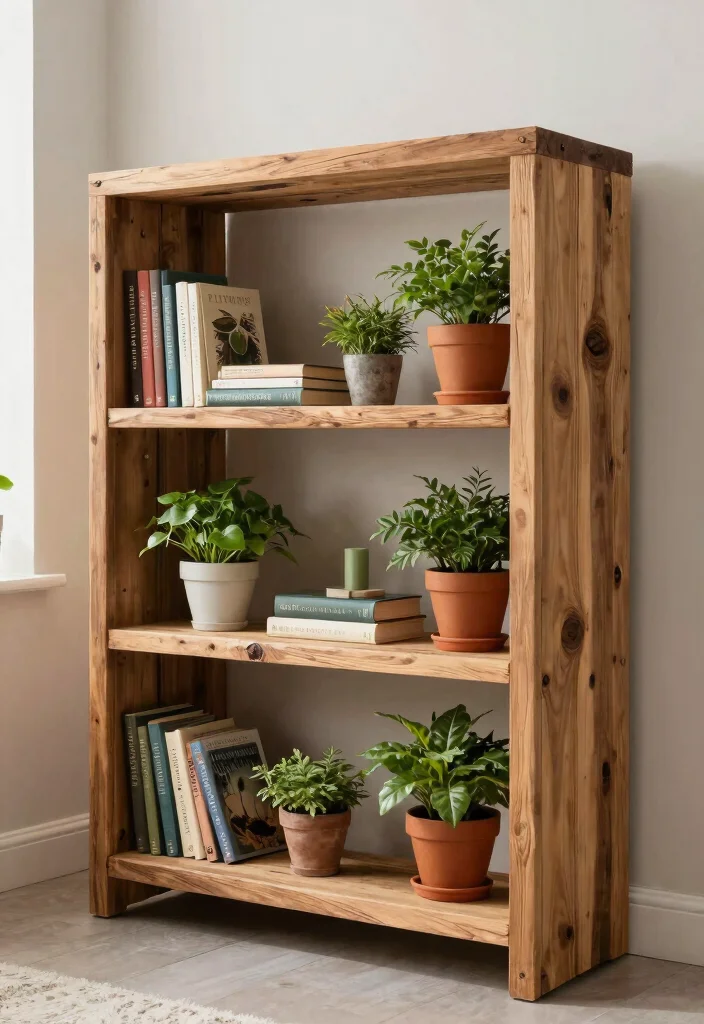
For those who prioritize sustainability, reclaimed wood bookshelves offer a beautiful and eco-friendly choice. These shelves boast unique textures and hues that bring warmth and character to any space, allowing you to load them with books without the worry of sagging. Utilizing wood from old pallets or barn doors can create one-of-a-kind pieces that reflect your personal style.
When crafting your own, ensure you sand the wood thoroughly for a smooth finish. Consider using L-brackets for added support and choose stains or paints that harmonize with your existing decor.
Here are some DIY tips to help you along the way:
– Sand the wood thoroughly before applying a finish.
– Use L-brackets for additional support.
– Stain or paint to match your home decor style.
This eco-friendly option beautifully combines sustainability with style, making it a perfect addition to your home library.

【Rustic and Retro Style】5 tier bookshelf constructed with high-quality durable solid pinewood. The front side of the wooden board is painted, but the back is unpainted. The surface of the board retains the natural wood grain,each board is a little different but equally stunning.
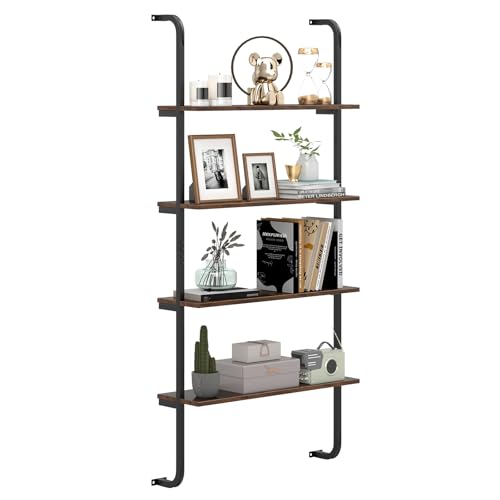
Maximize Your Space: Create an organized ambiance while saving floor space with our innovative 4-tier ladder shelf. As wall-mounted bookshelves, they utilize vertical space efficiently, perfect for small apartments or tight corners. Measuring 27.5” x 8” x 59”, it’s an ideal fit for any room looking to declutter.

[Perfect Floating Book Shelves] Floating book shelves for wall set of 3 (24 Inches Long & 8 Inch Deep) are perfect for creating additional storage without taking up floor space. They can be installed at various heights, allowing you to customize your wall shelving setup according to your needs. These wall book shelves are ideal for storing books, plants, or personal items like pictures, photo albums, collectibles etc.
6. Modular Bookshelf System
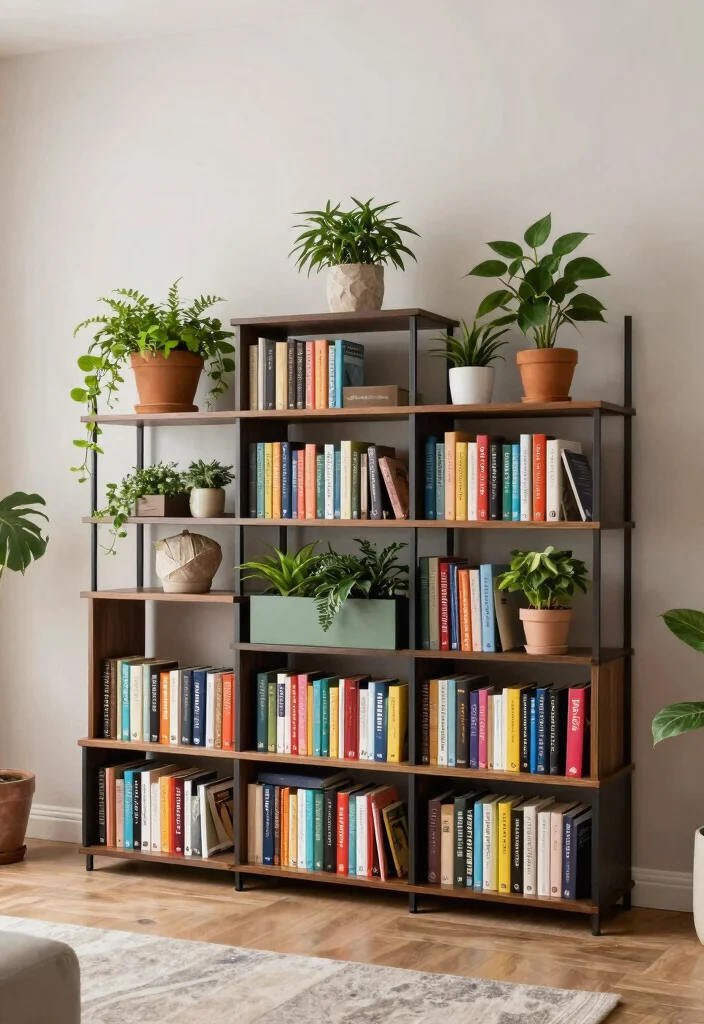
A modular bookshelf system is your answer to an adaptable and versatile storage solution. These units can be rearranged and expanded as your collection of books and plants grows, allowing for a personalized display. Each module can function independently or connect to create a larger, cohesive look that can evolve with your changing decor needs.
For practical use, stack modules vertically to create a striking floor-to-ceiling effect. Incorporating planters that fit seamlessly into the design will add both style and function. Consider painting each module a different color for a vibrant, dynamic touch.
Here are some creative usage ideas:
– Stack modules vertically for a dramatic floor to ceiling effect.
– Incorporate planters that fit seamlessly within the design.
– Paint each module a different color for a vibrant, dynamic look.
This modular system allows you to curate your perfect home library while keeping your gardening interests front and center.

4-tier bookshelf offers classic casual style

One bookcase of six shelves included in purchase

STYLISH STORAGE SOLUTION FOR EVERY ROOM – This 3-shelf bookcase from the Sauder Select collection offers a perfect blend of style and functionality, making it an ideal addition to your living room, home office, or study
7. Built-in Bookshelves
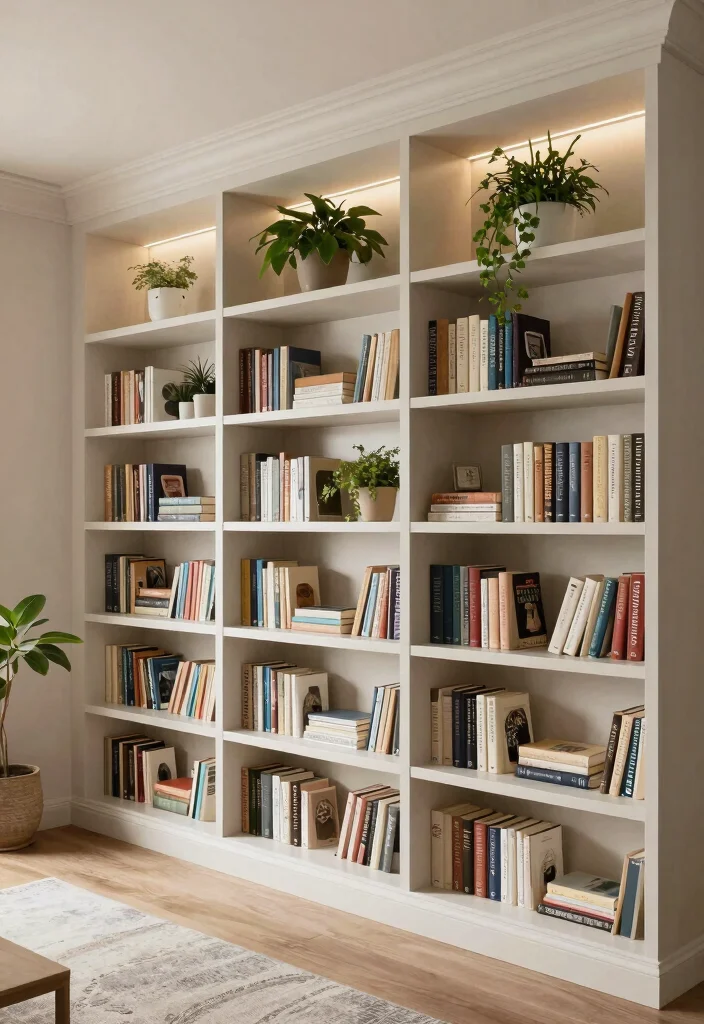
Built-in bookshelves offer a seamless integration between your shelves and walls, creating a polished look in any room. Custom-made to fit a specific area, they maximize space efficiently, extending from floor to ceiling and accommodating both books and plants without taking up valuable floor space.
When designing, consider a mix of open and closed shelving for visual variety. Adding under-shelf lighting can beautifully highlight your collection, while larger planters on the bottom shelf can create depth and interest.
Here are some design tips to get started:
– Use a mix of open and closed shelving for variety.
– Add lighting under the shelves to highlight your collection.
– Incorporate a few larger planters on the bottom shelf for added dimension.
The permanence of built-ins makes them a long-lasting investment, enhancing your home library with style and function.
【Adjustable height】: The height can be flexibly adjusted within a range of 110-296 cm/43.3-116.5 inches, making it suitable for both low and high ceilings. The spacing between shelves can also be adjusted as needed to easily store books, picture albums, and photo albums of different sizes.

A vintage-style illustration of a towering floor-to-ceiling bookshelf with a classic rolling library ladder, capturing the nostalgic and adventurous spirit of lifelong readers and book lovers.
【Adjustable height】: The height can be flexibly adjusted within a range of 110-296 cm/43.3-116.5 inches, making it suitable for both low and high ceilings. The spacing between shelves can also be adjusted as needed to easily store books, picture albums, and photo albums of different sizes.
8. Ladder Bookshelf
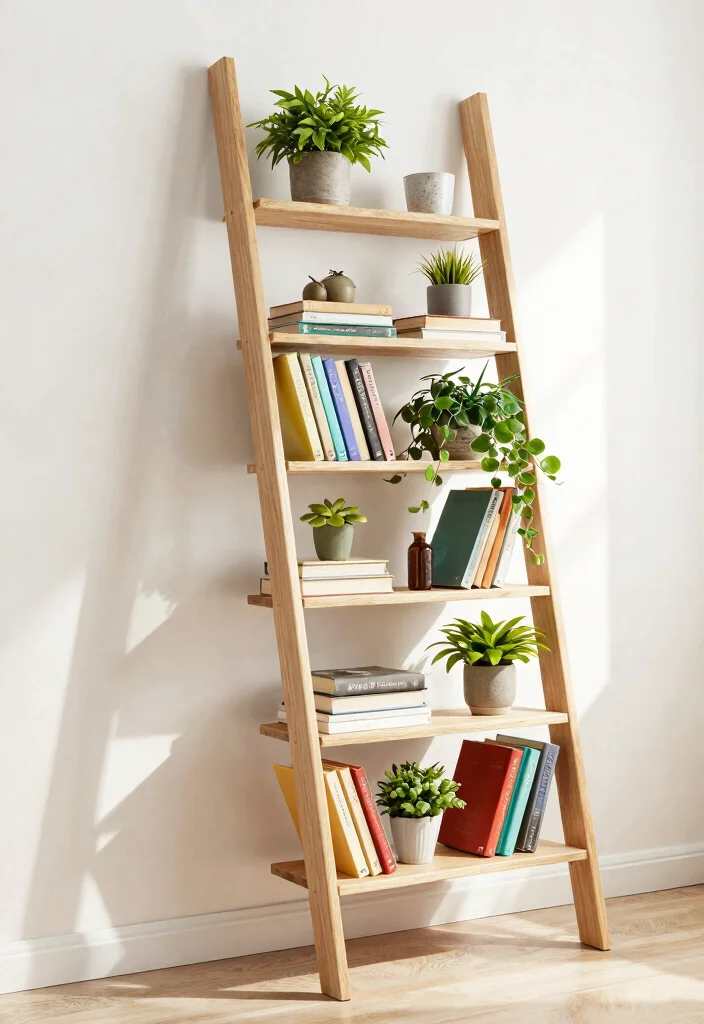
The ladder bookshelf is a trendy and practical option for small spaces. Leaning against the wall, it occupies minimal floor space while providing open storage for easy access to gardening books and potted plants. Its casual design blends effortlessly with various decor styles, adding a touch of simplicity to your space.
Consider painting or staining the ladder to coordinate with your furniture for a cohesive look. Its lightweight structure allows for easy rearrangement, giving you flexibility in your design.
Here are some key features to consider:
– Easy assembly and disassembly.
– Lightweight and movable for when you want to switch things up.
– Can be styled with decorative items to personalize your space.
This ladder bookshelf brings a playful yet practical touch to your home library.

Stylish Wavy Silhouette - A Statement Piece for Any Room: Its one-of-a-kind wave-shaped design instantly transforms an empty corner into a captivating visual focal point. Whether in your living room, bedroom, or home office, this bookshelf adds a touch of contemporary elegance that sparks conversation and elevates your décor
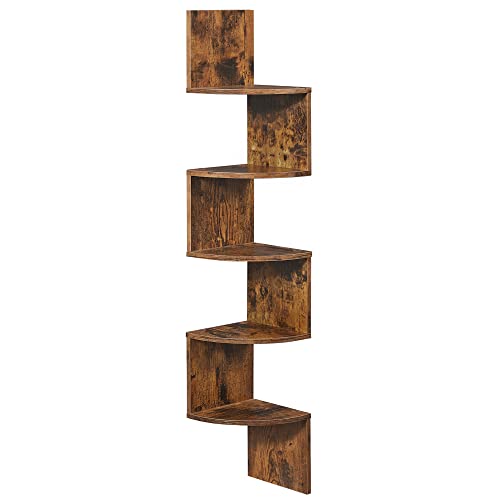
Simply Modern, Seamless Fit: The CUSTOS Collection features crisp right-angled lines that fits effortlessly into your home. Complete your space with matching storage furniture for a cohesive look

Dimensions & Size Guide
When planning for floor to ceiling bookshelves, understanding dimensions and space requirements is key to ensuring functionality and aesthetics. This guide will help you choose the right sizes for your DIY projects, especially if you’re working with small spaces.
Standard Sizes & Measurements:
Most floor to ceiling bookshelves range from 7 to 8 feet in height. This allows you to maximize vertical space, especially in tight areas. The depth of the shelves typically ranges from 10 to 12 inches. This size is ideal for holding books securely without taking up too much room.
For proper fit and function, ensure you leave at least 2 inches between the top of the shelf and the ceiling. This gap allows for ventilation and makes installation easier. Additionally, consider the width; most shelves are about 24 to 36 inches wide. This dimension balances the weight of the books and keeps the structure stable.
Minimum requirements:
– Height: 7 to 8 feet.
– Depth: 10 to 12 inches.
– Width: 24 to 36 inches.
These dimensions are a good starting point. You may adjust based on your specific needs and available space.
Space Planning Considerations:
– Always measure your wall height before buying or building.
– Consider the weight of the items you plan to store; heavier items may need sturdier, thicker shelves.
– Think about how the shelves will be anchored to the wall. Proper anchoring is crucial for safety, especially for taller units.
Quick Reference Table:
Size/Dimension – Best for: [use case], Minimum space needed: [measurement]
– 7 feet – Best for: Standard height ceilings, Minimum space needed: 84 inches
– 8 feet – Best for: Taller ceilings, Minimum space needed: 96 inches
– 10 inches deep – Best for: Thin books and decor, Minimum space needed: 10 inches
– 12 inches deep – Best for: Larger books and plants, Minimum space needed: 12 inches
Space Planning Tips:
1. Measure Twice: Always double-check your measurements. A small error can lead to big issues later on! ✔
2. Consider Doorways & Windows: Make sure your bookshelf won’t obstruct any openings. Measure the distance from the floor to the bottom of windows or door frames. ⏱
3. Think About Access: If you plan to stack books, ensure that the shelves are not too high for you to reach comfortably. Consider a step stool for higher shelves. 💡
4. Weight Distribution: Place heavier items on the lower shelves to maintain stability. This prevents sagging and ensures the bookshelf remains secure over time.
5. Leave Space for Growth: If you’re creating a home library or a garden shelf, leave room for future additions. You don’t want to build something that’s already too full! 🚀
Pro Tip: The most important measurement to consider is the height of the bookshelf in relation to your ceiling. Always leave a few inches at the top for ventilation and easy installation. Aim for a symmetrical look that enhances your room’s design!
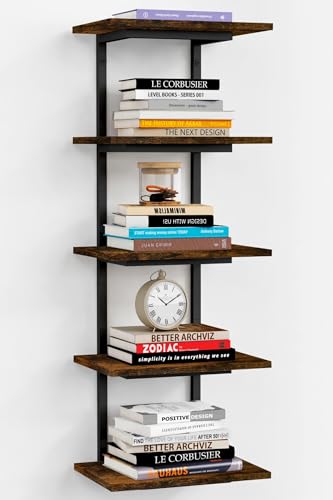
[5 Tier Wall Shelf Unit] Lack wall shelf unit (Each Shelf Size: W 11.8" x D 8" ) is perfect for creating additional storage without taking up floor space. They can be installed at various heights, allowing you to customize your wall shelving unit setup according to your needs. This vertical floating shelf is ideal for storing books, plants or personal items like pictures, photo albums, collectibles etc.
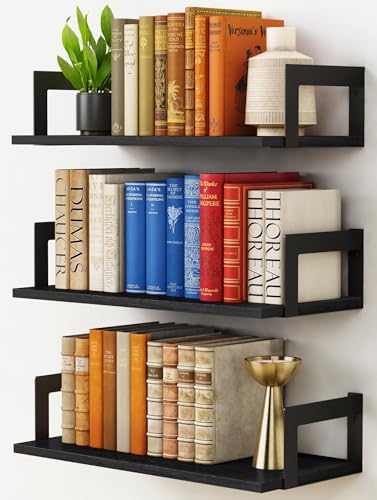
[Perfect Floating Book Shelves] Floating book shelves for wall set of 3 (17 Inches Long & 8 Inch Deep) are perfect for creating additional storage without taking up floor space. They can be installed at various heights, allowing you to customize your wall shelving setup according to your needs. These wall book shelves are ideal for storing books, plants, or personal items like pictures, photo albums, collectibles etc.

[Perfect Wall Shelves for Your Room] Wall-mounted large floating book shelves for wall set of 3 (36 Inches Long & 8 Inch Deep) are perfect for creating additional storage without taking up floor space. They can be installed at various heights, allowing you to customize your wall shelving setup according to your needs. These wall shelves are ideal for storing books, plants, or personal items like pictures, photo albums, collectibles etc.
9. Colorful Painted Shelves
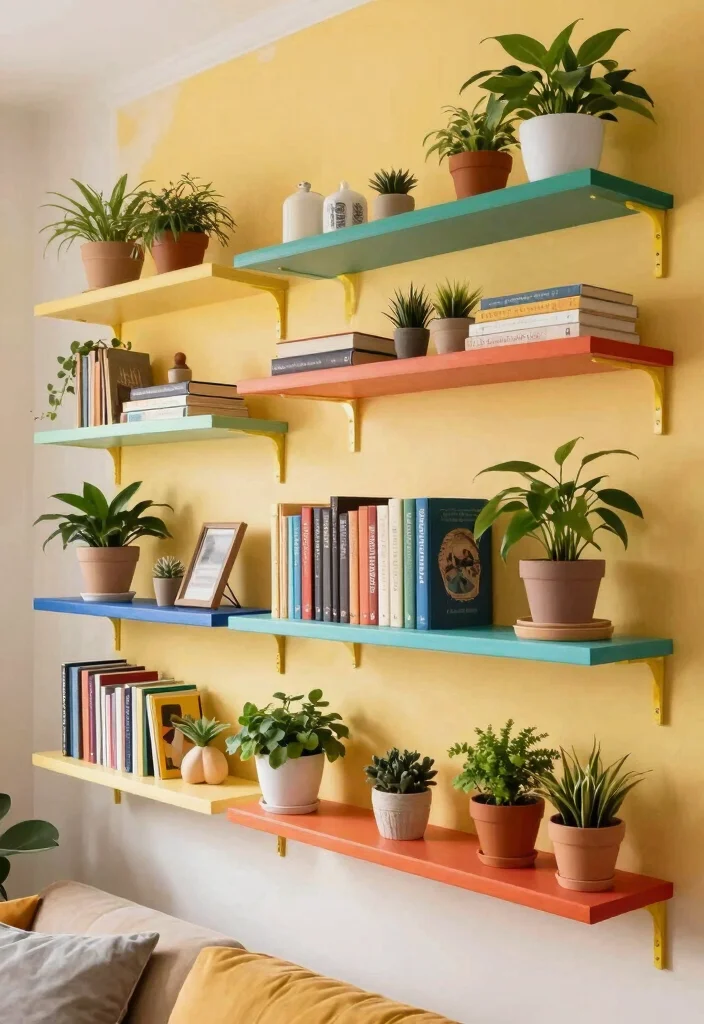
Inject some personality into your space with colorful painted shelves! These vibrant additions can be customized to any shade, making them standout design elements in your home. Bright colors energize a room, especially when paired with lush greenery and colorful gardening books, turning practicality into art.
For styling, consider using softer pastel colors for a calming effect or create an ombre effect for added flair. Painting the back wall of the shelves a contrasting color can also provide an exciting pop that enhances the overall look.
Explore these style ideas:
– Use pastel colors for a soft, calming effect.
– Create an ombre effect for added interest.
– Paint the back wall of the shelves a contrasting color for a pop.
These cheerful shelves can transform any reading nook into a lively retreat.
Fun fact: color can visually expand a small space when applied to floor to ceiling bookshelves by up to 20%. Paint back walls a contrasting shade to make colorful shelves pop, then layer lush greenery with gardening books for a vibrant, practical display.

STUNNING ELEGANCE – Finished in classic cherry, this bookshelf adds a sophisticated touch to your living room or home office, enhancing your decor while providing ample storage for books and collectibles

[High-quality with Load Capacity]: Made of thick particleboard and a heavy-duty powder-coated metal frame, this tall library bookshelf has a super large load capacity. Each shelf can load 88lbs. Totally 529lbs. The Shelves will NEVER sag under the weight of hardback books.

CREATE A STYLISH STORAGE SOLUTION – This 3-shelf bookcase offers a perfect blend of style and functionality, making it an ideal addition to any room in your home
10. Rustic Pallet Bookshelf
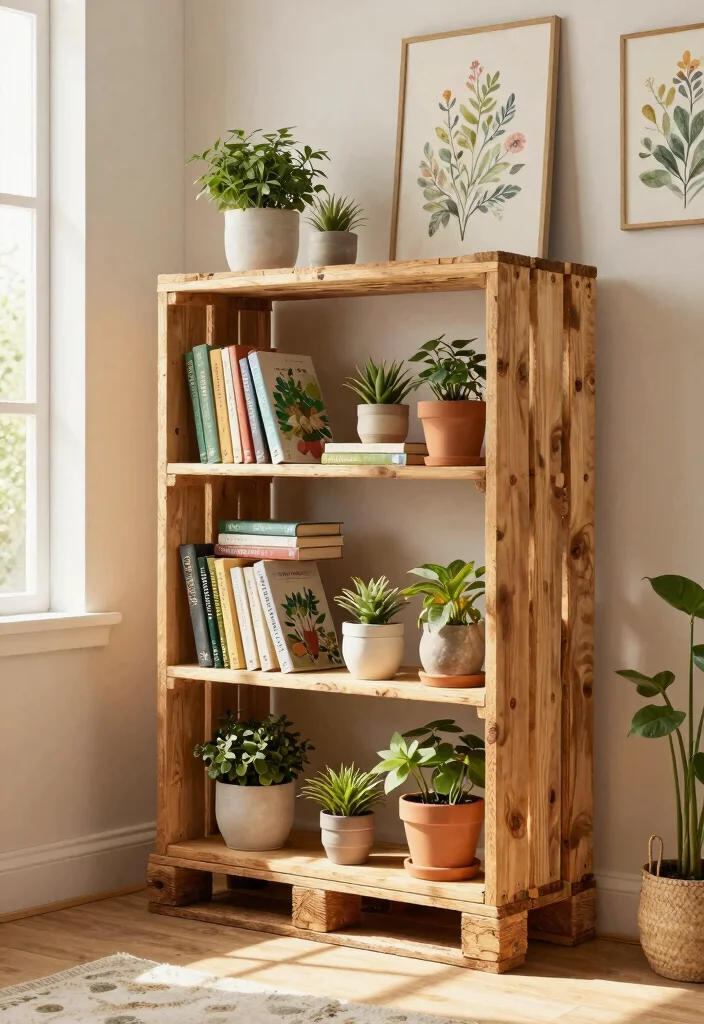
A rustic pallet bookshelf offers a charming, DIY option that fits beautifully into a garden-inspired decor. By repurposing old pallets, you not only create a unique look but also make a sustainable choice. These shelves can hold substantial weight, especially when reinforced properly, making them ideal for both books and gardening supplies.
When crafting your pallet bookshelf, be sure to sand it down to avoid splinters, and use wood glue or screws for added durability. Adding wheels can enhance mobility, allowing you to reposition it easily as needed.
Here are some DIY tips to guide your project:
– Sand down the pallet to avoid splinters.
– Use wood glue or screws for added support.
– Consider adding wheels for easy mobility.
This project lets you express your creativity while combining functionality and aesthetic appeal.
DIY joy: turning old pallets into floor to ceiling bookshelves for my garden corner feels almost magical. Sand, glue, screws, and a set of wheels—reinforce it well, and you’ll watch heavy gardening books and seed catalogs sit firm without sagging.
11. Vertical Plant Shelf
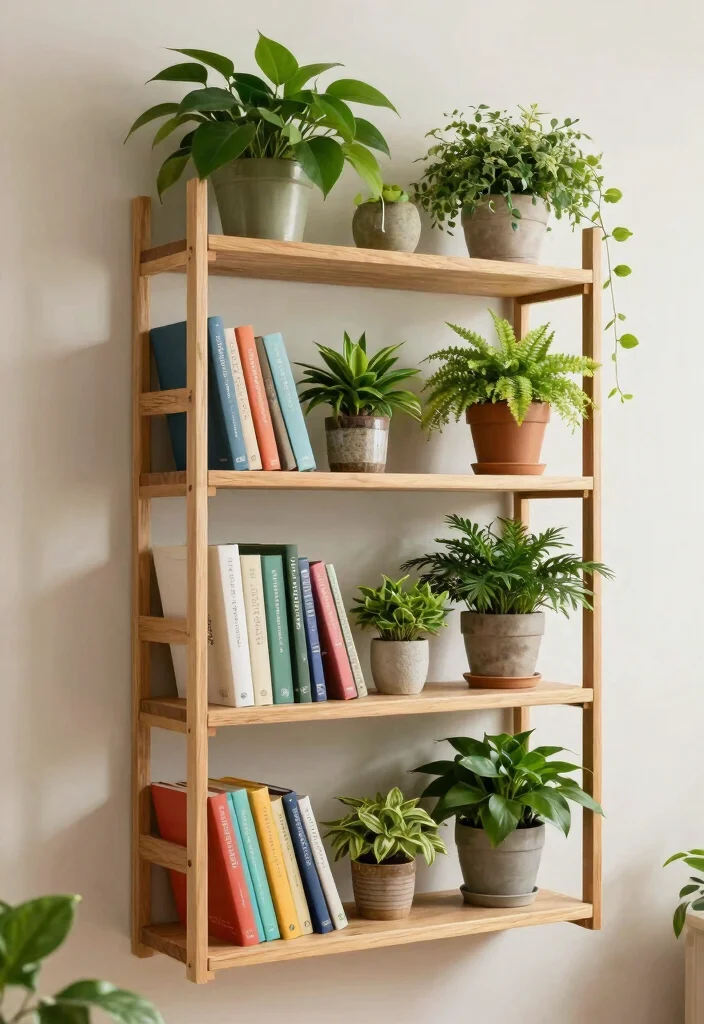
For gardening enthusiasts, a vertical plant shelf is an ideal blend of storage and display. This design utilizes vertical space to showcase various plant arrangements while seamlessly integrating books into the display, creating an inviting atmosphere. Customize it to cradle potted plants of different sizes alongside your favorite gardening reads for a lively touch.
Consider enhancing this setup with a watering system for easy maintenance, and add decorative pieces that reflect your gardening style for personalization. Using reclaimed wood can also introduce a rustic charm that complements your plants.
Here are some enhancements to consider:
– Incorporate a watering system for easy maintenance.
– Add decorative pieces that mirror your gardening style.
– Use reclaimed wood for a rustic touch.
This vertical shelf not only serves as a beautiful focal point but also contributes to a healthier, greener environment.
Tiny spaces? Create a vertical plant shelf on your floor to ceiling bookshelves and watch greenery and gardening guides shine on every level. Pro-tip: group pots by size for a tidy, thriving display that’s easy to maintain.
12. Custom Built-in Benches with Shelves
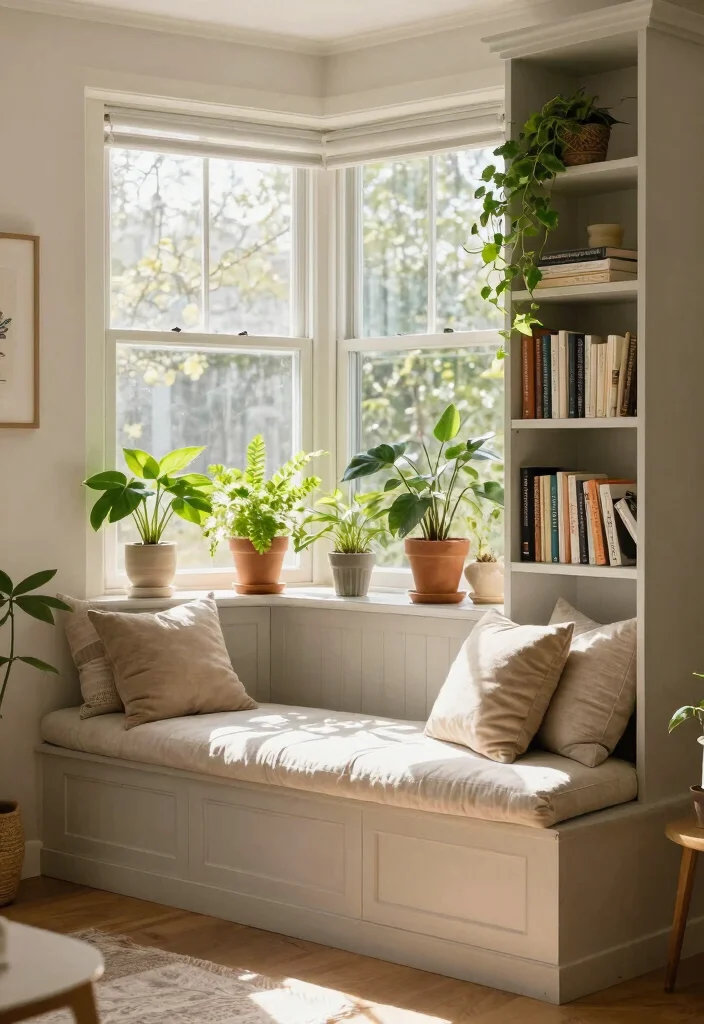
Elevate your bookshelf experience with custom built-in benches that feature integrated shelves. This multifunctional design offers seating while maximizing storage potential, allowing you to place them under a window or against a wall. By incorporating shelves on either side or above, you create a cozy reading nook filled with books and plants.
For successful execution, ensure proper anchoring to avoid sagging, and consider using cushions for added comfort. Design with airflow in mind to prevent overwatering your plants and maintain a healthy environment.
Here are some execution tips to keep in mind:
– Ensure proper anchoring to avoid sagging.
– Use cushions for added comfort.
– Design with airflow in mind to avoid plant overwatering.
This unique approach transforms your small space into a stylish and comfortable retreat, perfect for relaxing with a good book.
Conclusion
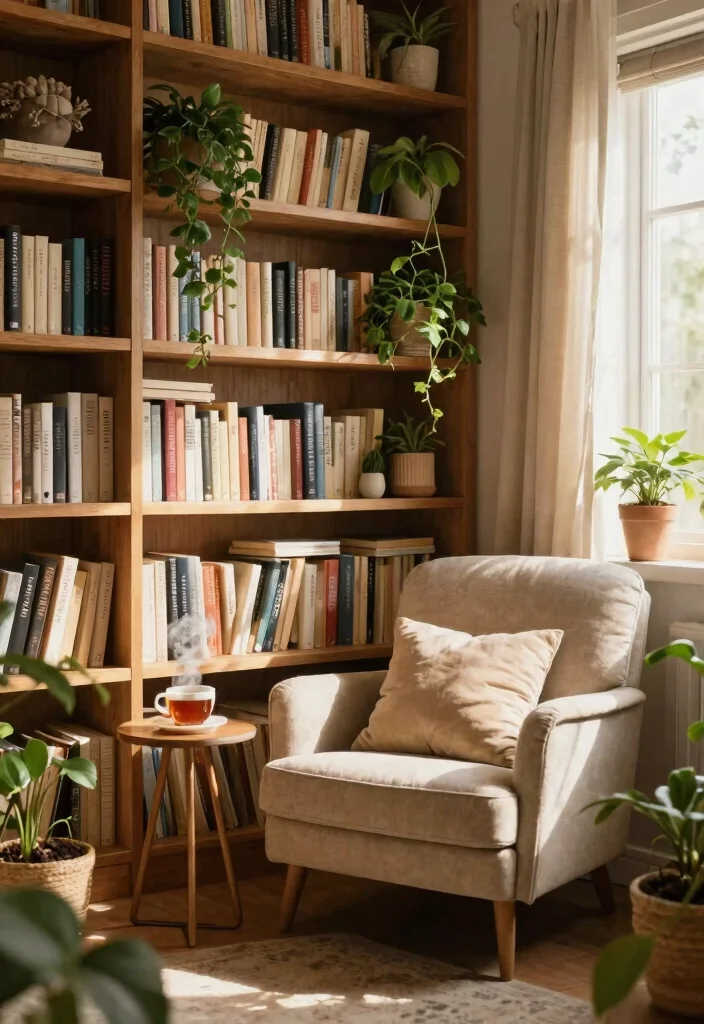
Transforming your small space with floor to ceiling bookshelves can elevate your home library while incorporating your love of gardening.
Each of these designs not only holds weight without sagging but also adds character and charm to your home. Whether you choose a DIY project or a sophisticated built-in design, these bookshelves can make your space feel larger and more inviting. Embrace the opportunity to showcase your favorite books and plants in style!
Note: We aim to provide accurate product links, but some may occasionally expire or become unavailable. If this happens, please search directly on Amazon for the product or a suitable alternative.
This post contains Amazon affiliate links, meaning we may earn a small commission if you purchase through our links, at no extra cost to you.
Frequently Asked Questions
Question: How can floor to ceiling bookshelves maximize small garden spaces and function as garden storage solutions?
Floor to ceiling bookshelves can transform tiny corners into dual-purpose storage and display. Start with a sturdy frame—prefer solid wood or cabinet-grade plywood—and anchor it to wall studs. Add center supports or a steel bracket system to prevent sagging under heavy items like soil bags or watering cans.
Use adjustable shelves so you can swap in seed catalogs, pots, tools, and garden journals. Heavier items belong on the lower shelves, lighter items up top, and you can reserve the upper shelves for garden storage solutions and reference guides. To blend with your garden vibe, consider adding a few hanging baskets or vertical planters on the sides. In short, this setup helps with maximizing small spaces while delivering practical storage for both books and garden gear.
Question: What materials and construction techniques help floor to ceiling bookshelves hold heavy loads without sagging?
Choose solid wood or thick plywood shelves (at least 3/4-inch) and solid vertical supports. Pair with steel brackets or center posts and anchor the unit to studs or a masonry wall.
Use a built-in back brace or a reinforced ledger rail every few feet to resist sag. Distribute weight wisely: keep soil, pots, and hand tools on the lower shelves, and reserve the upper shelves for lighter items like books and seed catalogs. For extra rigidity, add a horizontal shelf support along the back and consider a thin steel angle under each shelf. With these DIY bookshelf projects, you get floor to ceiling bookshelves that won’t sag and can serve as sturdy garden storage solutions.
Question: How can I design a home library using floor to ceiling bookshelves in a compact space?
Think vertical first. Map your wall height and width to create a seamless block of floor to ceiling bookshelves that also functions as a home library design feature. Keep depth shallow (12-14 inches) for easier reach and a lighter look, add adjustable LED lighting along the shelves, and consider a slim rolling ladder for access to the top. Mix open shelves with closed cabinets to hide clutter, and tie the look to your garden vibe with natural woods or garden-themed accents. Finally, add a comfy chair and small table to create a cozy reading nook. This approach helps you maximize small spaces while building a real home library.
Question: What are practical storage ideas with floor to ceiling bookshelves for garden tools, seeds, and supplies in a small patio?
Use lower shelves for heavy items: sturdy bins, labeled baskets, and pull-out trays for tools. Store soil, potting mix, and seed packets in clear containers to stay organized. Add labeled dividers, a small filing system for plant labels, and a rolling cart you can pull out when needed. Use upper shelves for gardening books and display planters to create color. On the sides, add vertical planters or a trellis panel for vertical gardening ideas. This setup gives you garden storage solutions that fit a compact patio while keeping your floor to ceiling bookshelves as a design focal point.
Question: How do I install and anchor floor to ceiling bookshelves safely on different wall types to prevent sagging?
Start by locating wall studs or choosing the right masonry anchors. On stud walls, use long screws to reach the studs and secure the top and mid sections of your shelves. On masonry, use appropriate anchors and heavy-duty screws. Build or buy a frame that is slightly taller than the room and anchor it to the wall with multiple brackets. Add a back brace or steel angle under each shelf and a vertical back panel for rigidity. Avoid overloading shelves and spread weight evenly, especially for garden storage solutions items. This ensures a safe, sag-free installation for your floor to ceiling bookshelves.
Related Topics
floor to ceiling bookshelves
DIY bookshelf projects
small space solutions
garden storage solutions
home library design
vertical gardening ideas
maximizing small spaces
minimalist design
beginner friendly
space-saving furniture
easy DIY
functional decor