7 ways to use LifeProof Fresh Oak run from a narrow hallway refresh to a full basement floating floor, and the choice between them comes down to whether you need the plank to forgive bad subfloors or bad decisions.
The 22 MIL wear layer and rigid core that sits over concrete without swelling are what make this vinyl plank a weekend project rather than a weeklong one.
1. LifeProof Fresh Oak
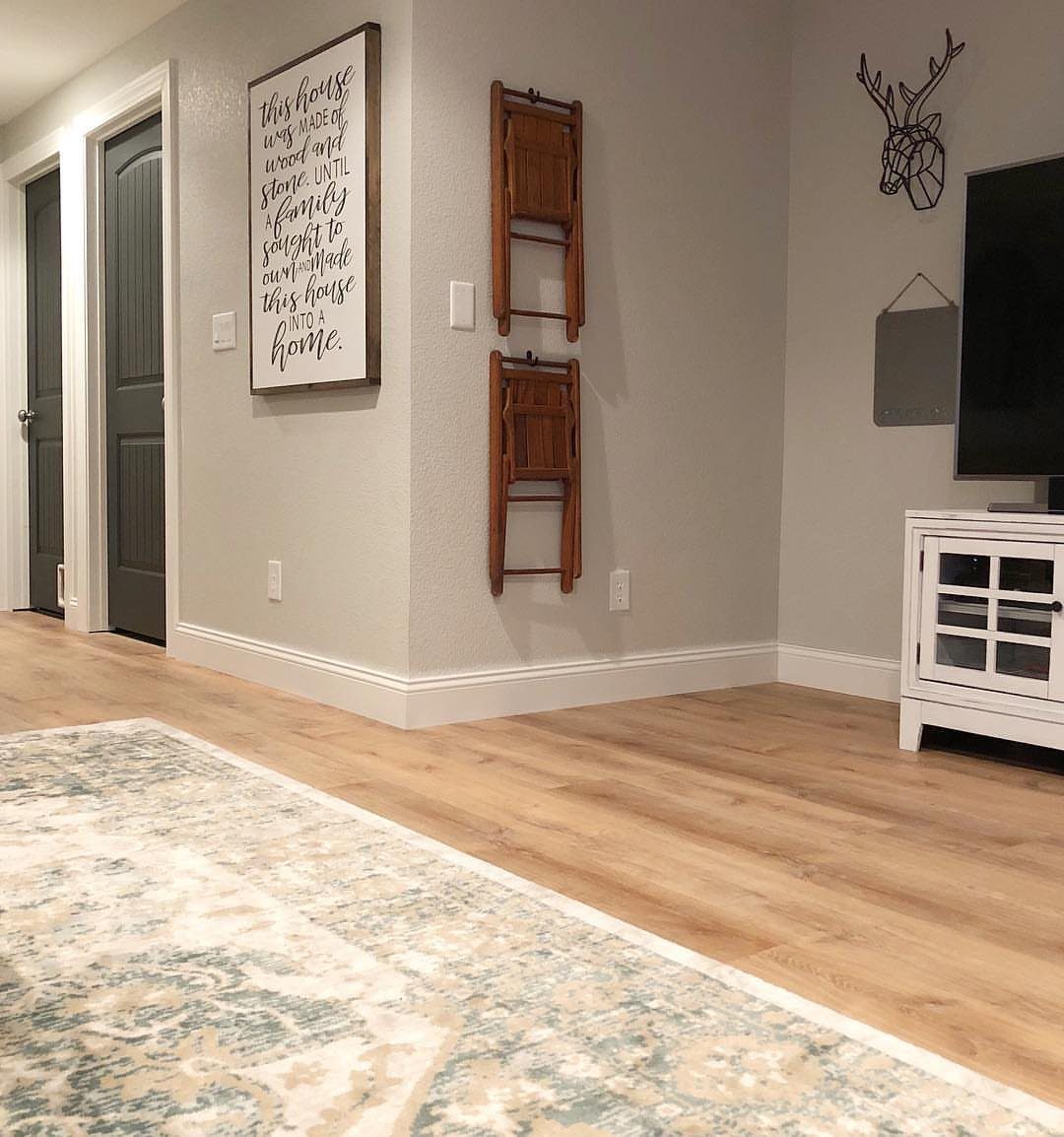
LifeProof Fresh Oak is a 22 MIL luxury vinyl plank that clicks together without glue, measuring 8.7 inches wide and 59 inches long.
The wear layer thickness matters more than the wood-look print underneath; 22 MIL handles a house with dogs, kids, or a rolling desk chair without showing scratches right away.
I would pick this one for a small group of rooms rather than whole-house if the budget is tight, since the price per square foot adds up fast in open plans.
2. Waterproof LifeProof Rigid Core Luxury Vinyl Flooring
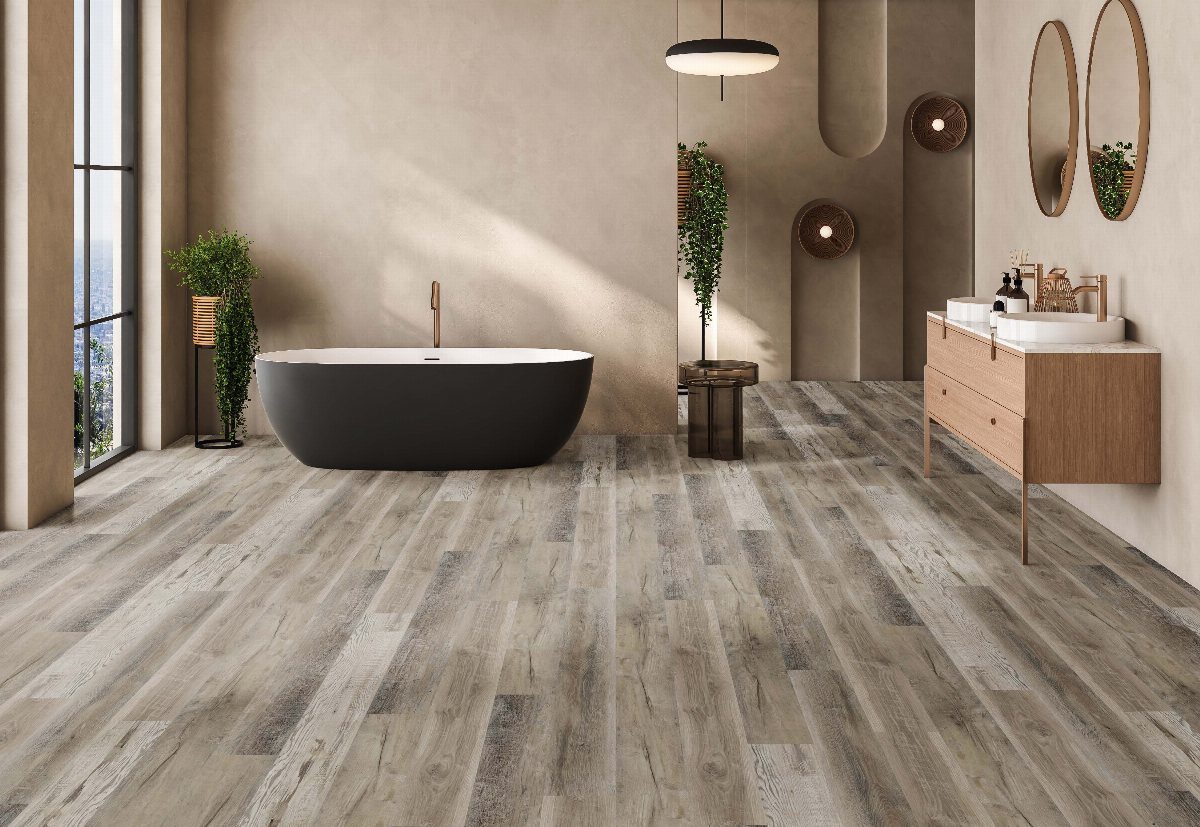
The rigid core in this line is what lets it sit directly over concrete in a basement or run wall-to-wall in a bathroom without the swelling that ruins laminate.
I have seen the same plank used in a kitchen with white shaker cabinets and a quartz island, and the light tone kept the room from feeling too sterile against all that white.
The core itself is stiff enough that minor subfloor unevenness won’t telegraph through, though anything more than a small dip still needs leveling first. For a weekend project, this is the forgiving option.
3. Natural Grain Pattern with Visible Knots
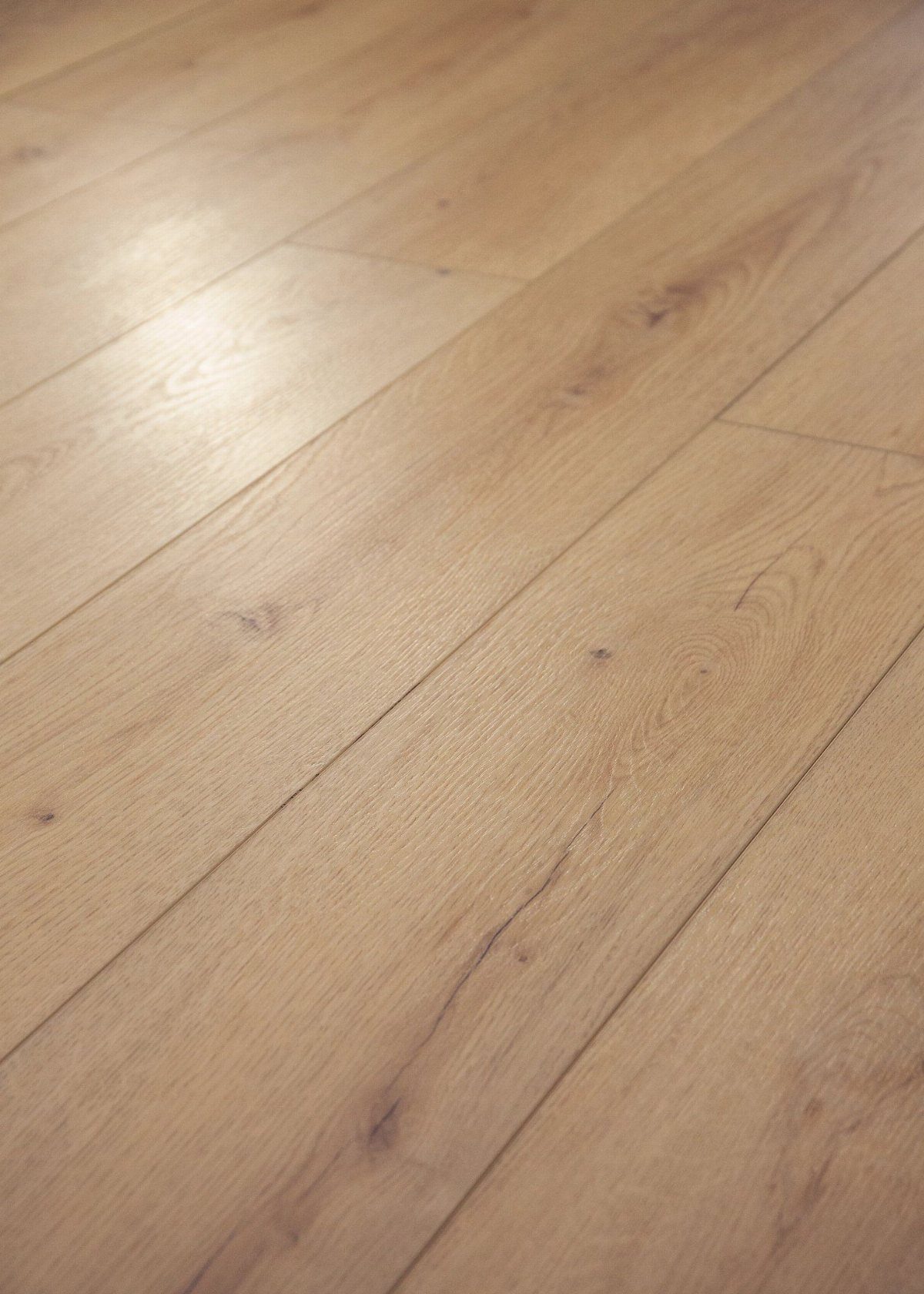
The knots and grain variation on each plank are printed at different scales, so the repeat pattern is hard to spot even in a mid-sized room laid with the same carton.
That matters because cheap vinyl repeats quickly and your eye catches it by the third row.
The texture here is embossed to match the print, so the surface catches light the way sawn oak does, not flat like a photograph under glass.
I would avoid pairing it with real wood furniture that has a very different knot scale; the contrast makes the vinyl read as vinyl.
4. Light Oak Color
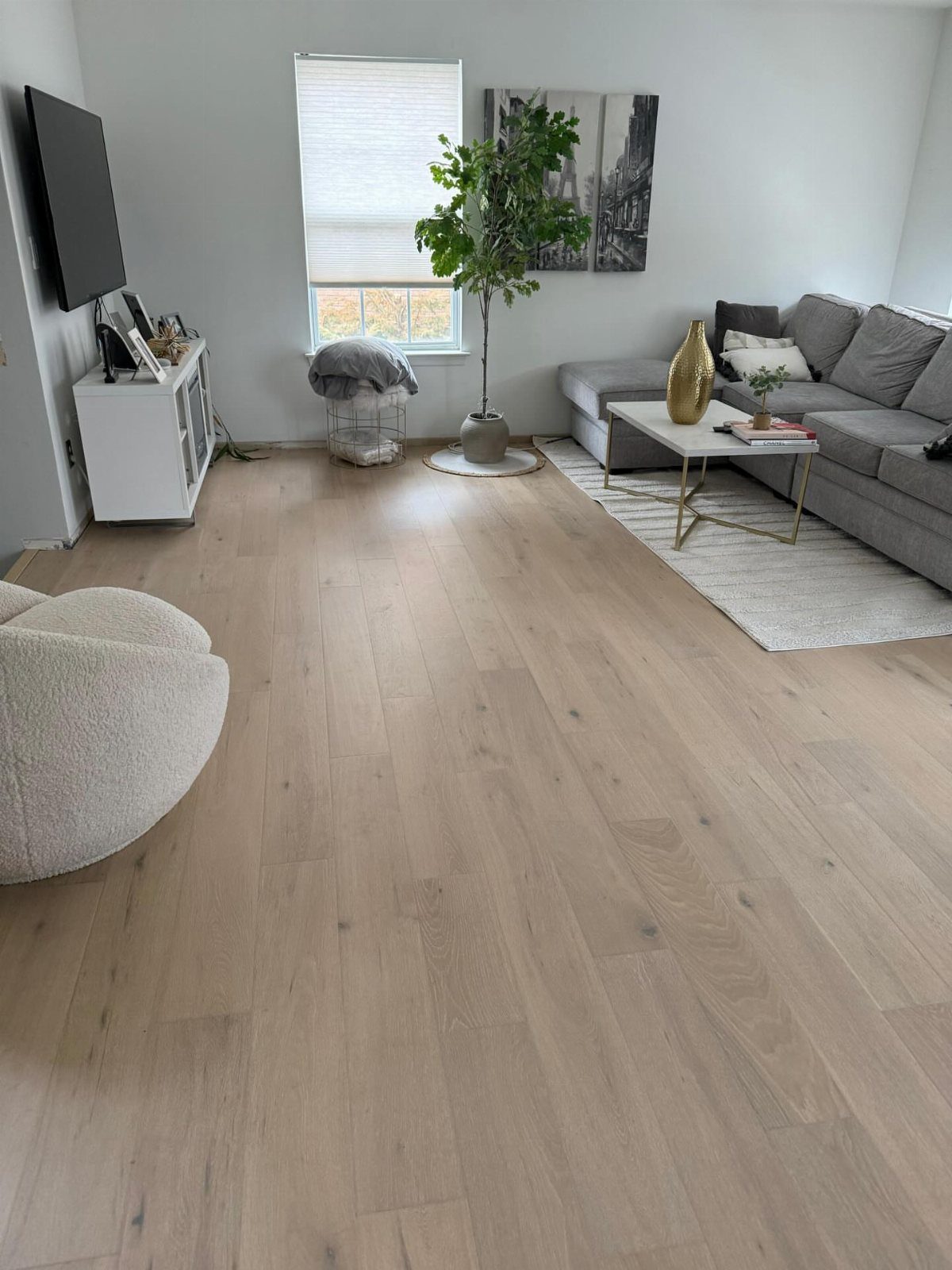
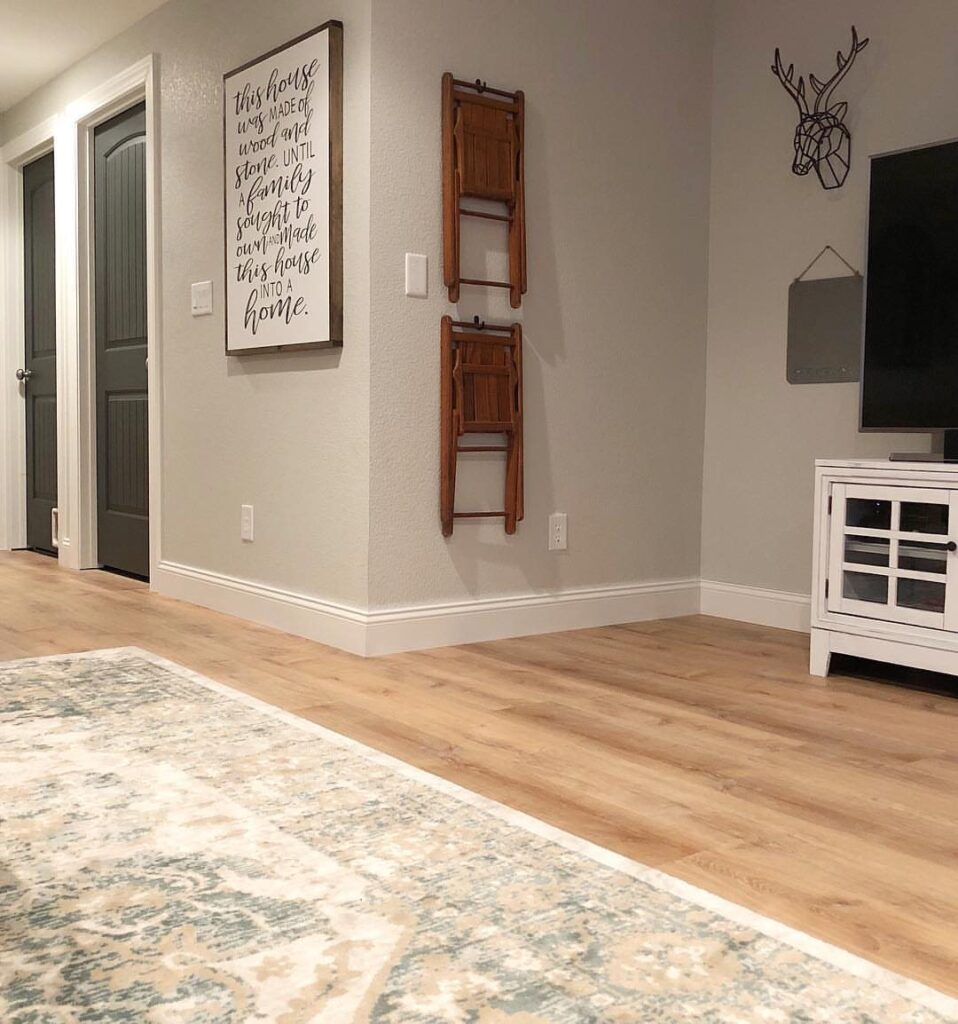
Light oak reads as neutral in rooms with grey, white, or black furniture, and it warms up spaces that face north or rely on overhead lighting.
The tone in this line sits between blonde and honey, which means it will yellow slightly as it ages but not turn orange the way medium oak does.
In a kitchen with white subway tile and dark wood stools, the floor becomes the bridge between the two.
If your walls are already a warm white, check a sample against them in afternoon light; the combination can go cream-on-cream in a way that looks accidental.
5. Living Rooms, Kitchens, and Basements
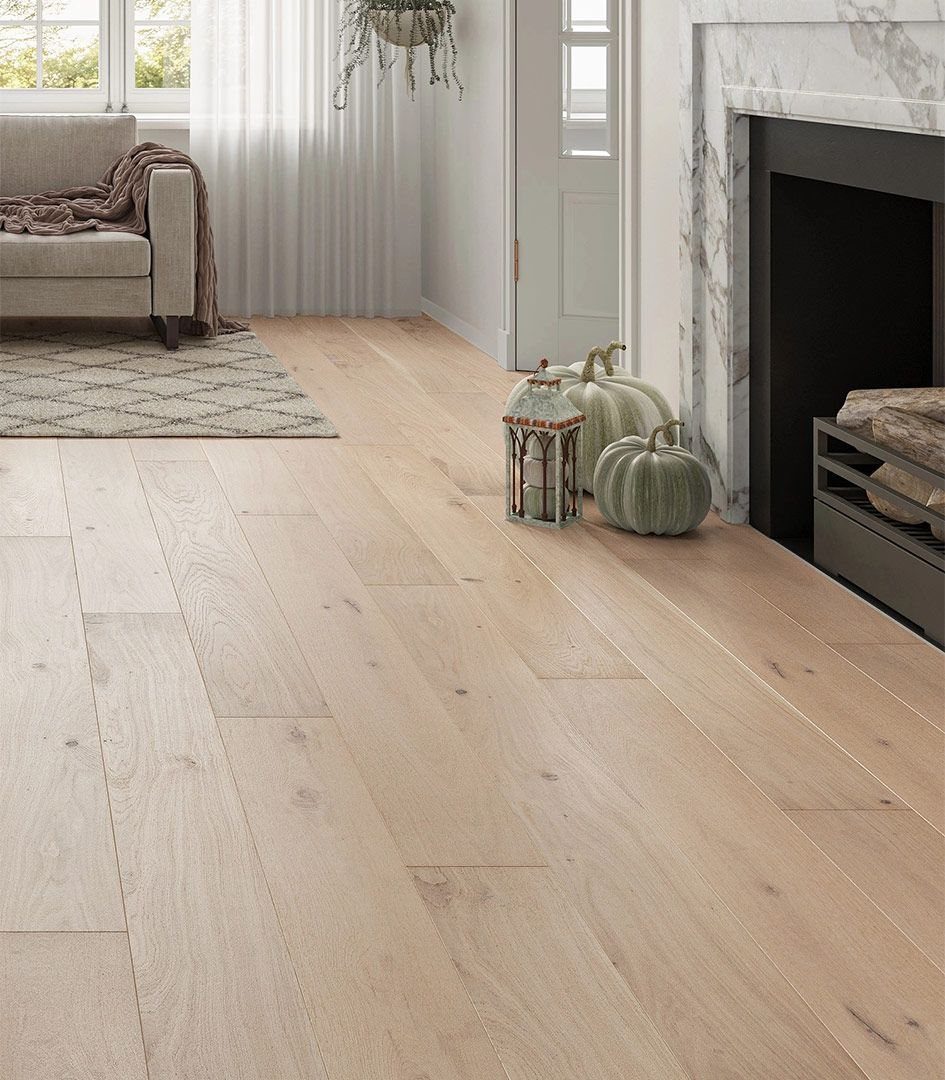
Living rooms get the obvious use, but kitchens and basements are where the waterproof core earns its keep.
A basement with no history of flooding is straightforward; one with a sump pump that runs every spring needs the moisture barrier checked first, because vinyl is waterproof but trapped vapor underneath is not.
Kitchens require thinking about the refrigerator water line and the dishwasher toe kick, the two spots where slow leaks hide.
I would run the planks under the appliances rather than stop at the cabinets; the extra material cost is worth not seeing a seam when you pull the stove out to clean.
6. Hallway Installations
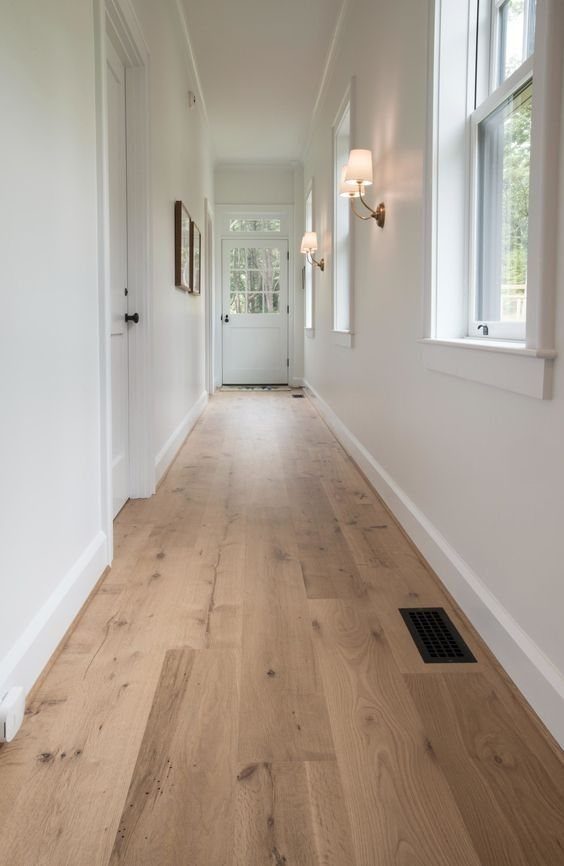
Hallways show every installation flaw because you face the floor straight on while walking, so the stagger pattern matters more here than anywhere else.
A minimum offset between end joints keeps the rows from lining up like a runway; I cut the starter piece from each row at random lengths drawn from several different boards.
The long sightline toward a door at the end also means any waviness in the wall telegraphs as a gap, so leave a little expansion and cover it with base shoe rather than trying to scribe the plank to drywall that was never straight.
For a narrow hall, running the planks lengthwise makes it feel longer; crosswise makes it feel wider, but that layout wastes more material.
7. DIY Plank Installation
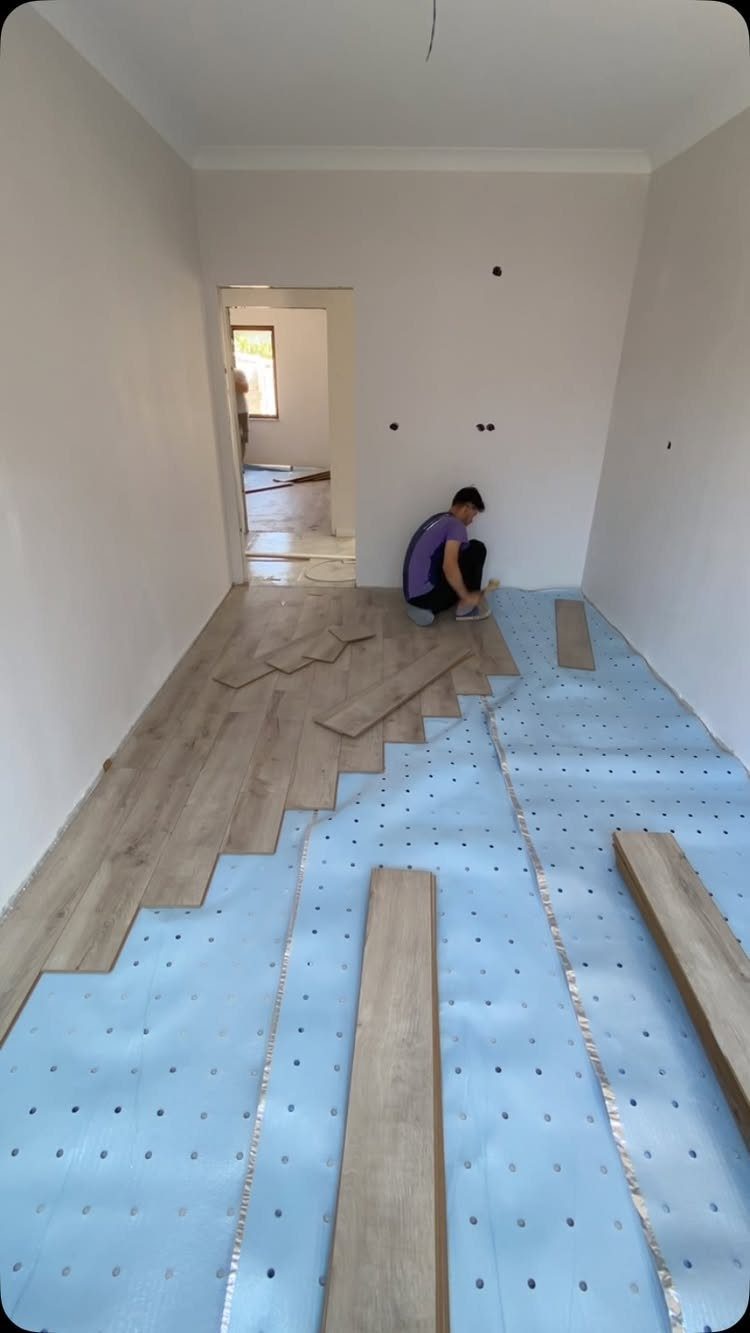
Floating planks sit on blue underlayment instead of glue, which means the concrete underneath can breathe and you can walk away with your floor when you move.
A rigid-core click system keeps the floor dry underneath even if the basement slab sweats, and a renter can pull it back up when the lease ends.
Most rooms need only a utility knife and a tapping block. Score the plank face-up, snap it backward, and the cut hides against the wall under baseboard.
I would start on the longest straight wall and work toward the door so I am not kneeling on finished work.
The underlayment is already attached on some LifeProof lines; check the box before you buy a separate roll.
A small room goes fast if the subfloor is flat; the click joints go quicker than you’d expect once you find the rhythm. High spots, you will feel later; walk the bare floor with a long level first.
Installation Tips
A click lock system still needs room to move. Leave a 1/4 inch gap at every wall and vertical surface; the rigid core expands and contracts less than laminate, but it is not zero.
I would buy a pack of spacers and a pull bar before starting, since the last plank in every row needs persuasion without marring the edge.
The tongue side faces the wall you start from. Check this twice; flipping a plank costs a minute, discovering the mistake three rows in costs half an hour.
For doorways, cut the plank and the jamb casing rather than trying to slide under. A flush-cut saw and a scrap of plank as a depth gauge make this quick.
Undercut jambs look finished; gaps covered with quarter-round look like a repair.
Maintenance Advice
22 MIL wears well, but grit is what scratches it. A vacuum without a beater bar, run weekly, matters more than any coating.
I would keep one at the entry that sees the most outdoor traffic.
Mopping needs only warm water and a drop of dish soap; the wear layer is not porous, so it does not hold residue the way real wood does.
Avoid steam mops; the heat is not the problem, but forcing moisture into the seams is. Dry the floor after if you use more than a damp mop.
For spots that stick, a plastic scraper at a low angle lifts them without scoring the surface. Start there, not with a scrub pad.
Design Compatibility
I would test it against fixed elements before ordering: countertops that read white in morning light can read pink at dusk, and the floor will pick that up.
In open plans, the light tone bounces daylight deeper than medium floors do. Every dropped crumb shows on this color; the same tone that makes a basement feel above-grade makes a kitchen floor look untidy by Wednesday.
Durability Features
A 22 MIL wear layer is measured in thousandths of an inch; 22 of them sounds thin until you learn that residential vinyl starts at 6 and tops out around 30.
For a house with dogs or a rolling chair, this is the floor where you stop worrying about daily wear and start watching for the occasional dropped knife.
The rigid core adds stiffness but not softness. Standing at a kitchen counter for an hour, you will feel it more than you would padded laminate.
A foam mat at the sink is worth the visual interruption if you cook often.
Stain resistance means the finish layer is non-porous. Red wine, coffee, and pet accidents sit on top long enough to wipe.
I would still clean them within the hour; the plank is waterproof, but the seam is not a seal.
Frequently Asked Questions
What are people saying about LifeProof Fresh Oak flooring?
Buyers mention the 22 MIL wear layer holding up against dogs, kids, and rolling chairs without scratching right away, and the grain variation hides the repeat pattern better than cheaper vinyl.
The embossed texture catches light like real sawn oak rather than looking flat. Some pairings take thought: very different knot scales in real wood furniture nearby make the vinyl read as vinyl.
What is the most popular LifeProof luxury vinyl plank color?
Fresh Oak and Dusk Cherry both come up often in searches and project photos, with Fresh Oak leading among light-tone installs.
Fresh Oak hits a middle point that works in rooms with weaker light, giving enough warmth to keep the space from feeling cold without drifting toward that overly yellow look some lighter floors get after a few years.
Is LifeProof a good brand of LVP?
The wear layer holds up against real traffic, and the rigid core means you can run it below grade or in wet rooms where laminate would eventually bubble at the seams.
Small bumps in the subfloor stay hidden once the planks go down, though anything more than slight waviness still needs a leveling compound pass first.
The click-together edges let you back up and fix a misaligned row without tearing out half the floor, which matters when you are learning as you go.
Is LifeProof owned by Home Depot?
Yes. LifeProof is a Home Depot exclusive brand, which means you will not find it at Lowe’s or independent flooring stores.
That also means stock and pricing tie directly to Home Depot’s system, so check availability before planning your weekend around the install.