
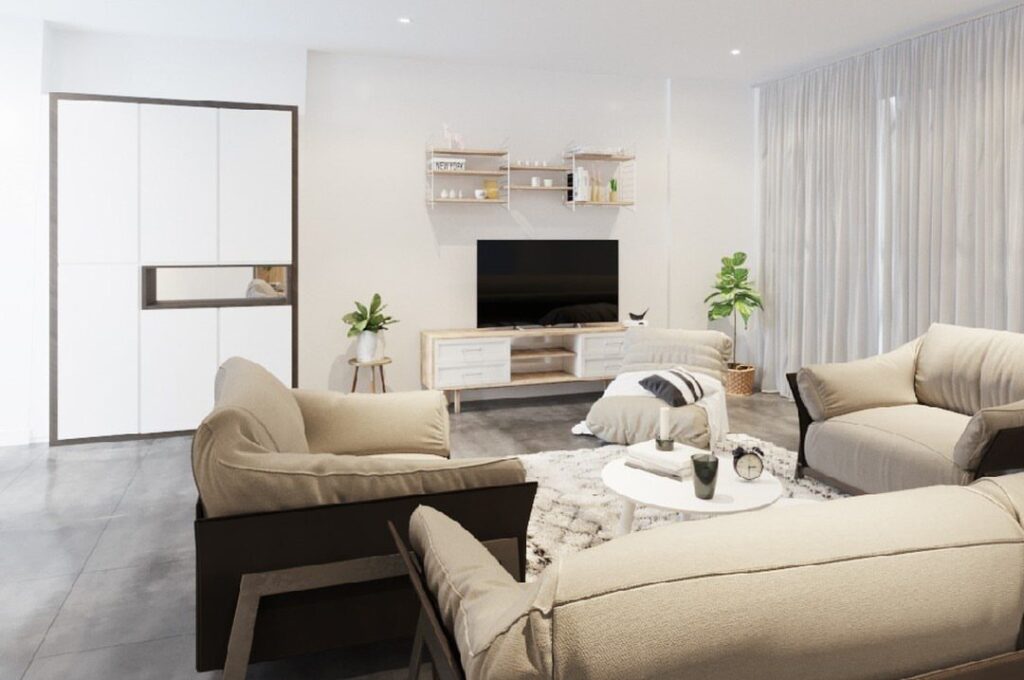
You can find vinyl tile with built-in grout lines that lock together over a weekend, stone looks that carry across a whole open floor, and cores that shrug off bathroom humidity without ever sealing a joint.
COREtec Tile builds its grout lines right into the print, skipping mortar and cure time entirely, while Armstrong’s Alterna line still offers real grout for anyone who wants that texture underfoot.
1. Integrated Grout Lines
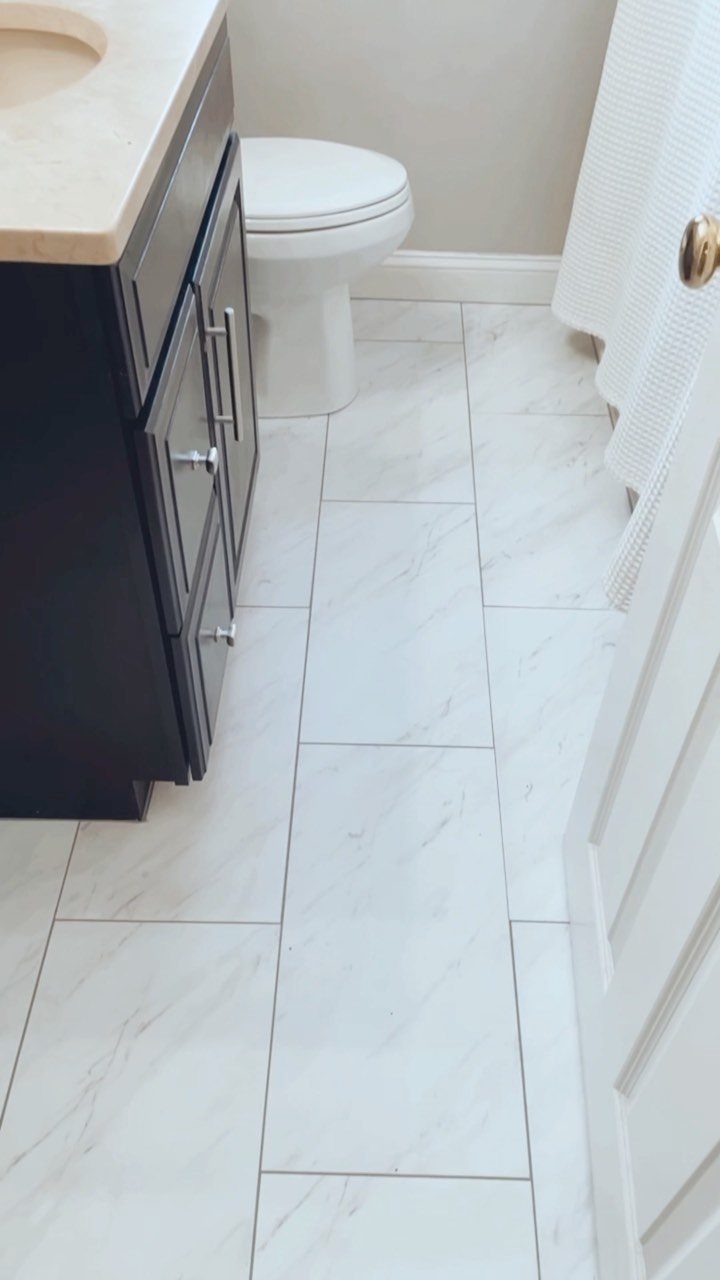
Integrated grout lines save the mess of real grout while keeping the visual break between tiles.
I like this for bathrooms because the surface stays one continuous sheet; water sits on top instead of sinking into gaps, and a mop glides across without snagging.
COREtec Tile builds the lines into the print itself, so installation skips the bag of mortar and the cure time entirely.
Armstrong’s Alterna line still offers real grout as an option if you want the slight texture underfoot, though that brings back the maintenance.
For a rental or a first home where weekends matter more than authenticity, the printed lines get you most of the look with none of the scrubbing.
2. Stone Look Vinyl Flooring
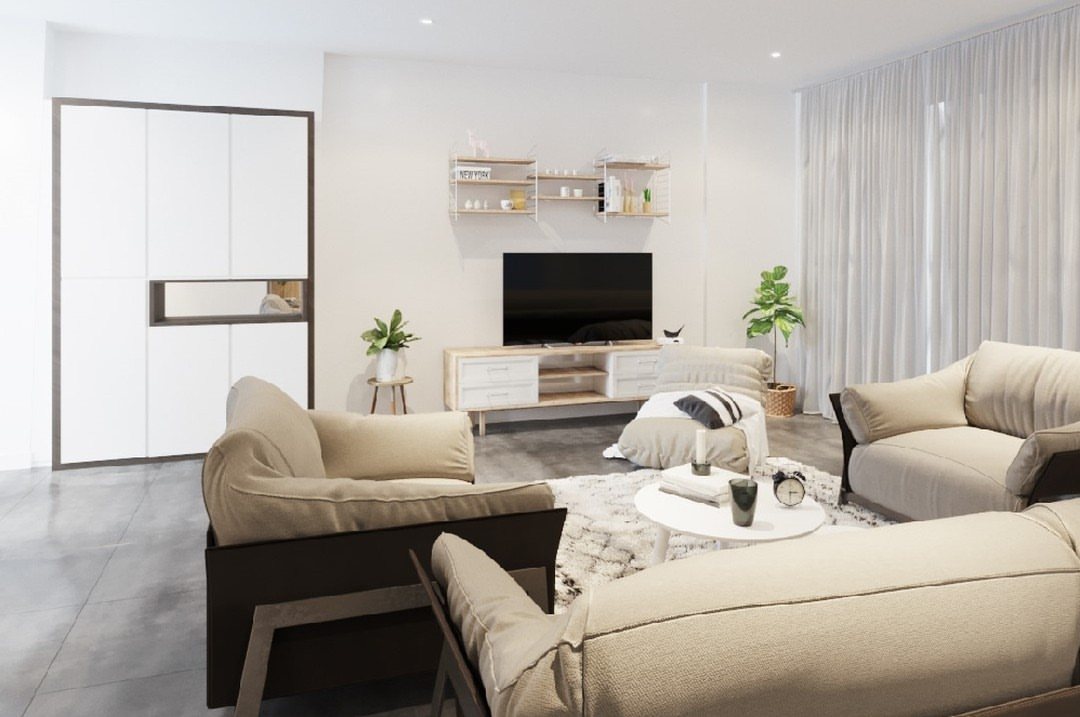
Stone-look vinyl handles the rooms where real stone would drain the budget and crack under impact. Grey tones lean cool, which pairs with warm wood furniture without fighting it; I’d check the undertone against your existing pieces before ordering samples.
Waterproof wear layers matter more than the print itself, so look for a thickness that handles kitchen chairs scraping back and bathroom humidity cycling daily. Armstrong and Floor & Decor both carry ranges, though availability shifts by region.
If your subfloor has any unevenness, stone-look planks or tiles hide it better than wood-look versions, which telegraph every bump through their straight grain lines.
Alterna engineered tile has a premium structure that is 75% limestone. This gives it the look, feel and stability of high-end natural stone flooring, like slate, marble, or travertine — plus a surface that resists cracking from dropped objects.
3. White Marble Look Vinyl
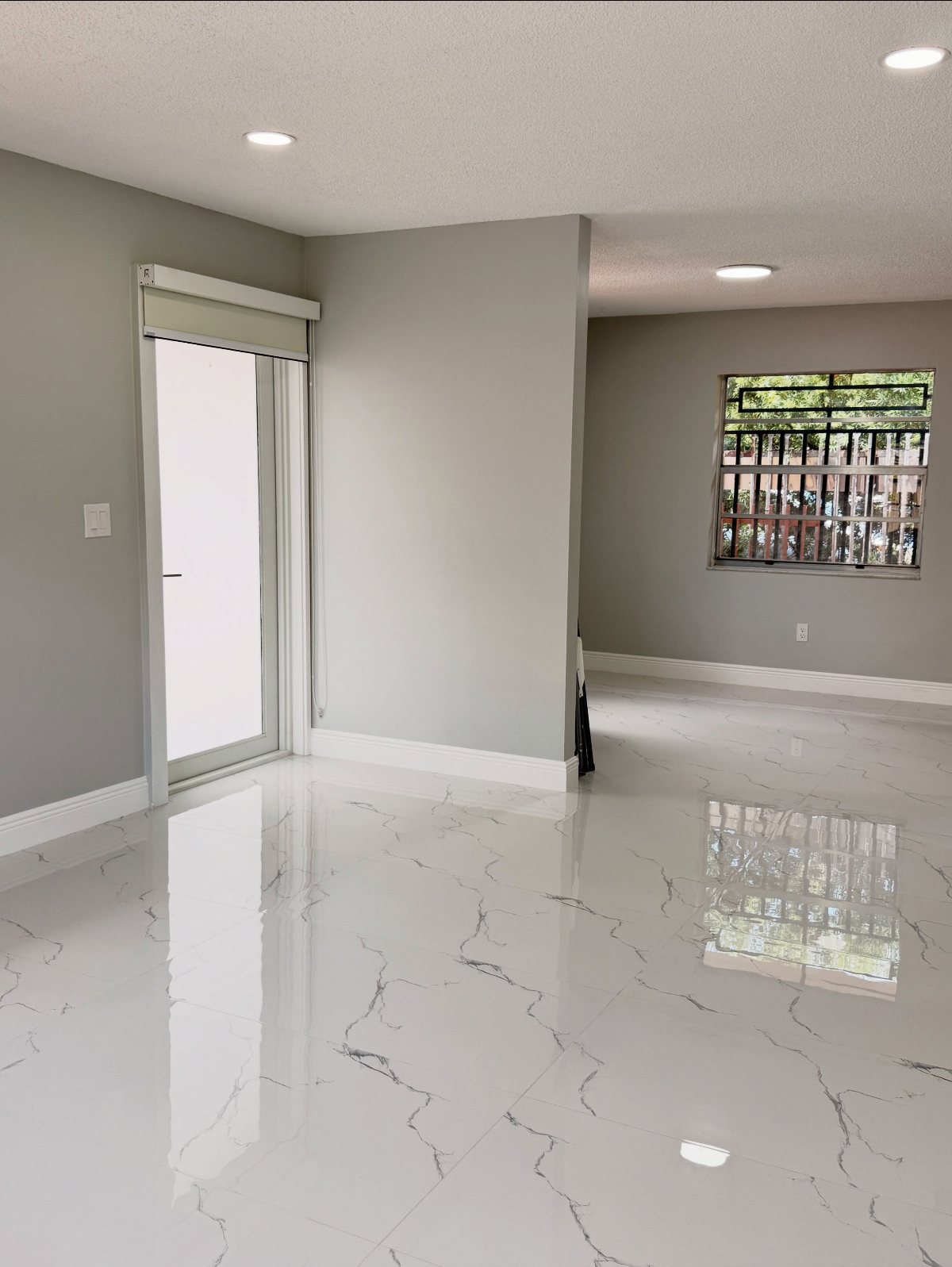
White marble vinyl lives or dies by the veining. Too heavy and it reads as a printed pattern from the doorway; too faint and you lose the stone reference entirely.
Carrara-style grey veining stays the safest choice for resale, though warmer quartz tones work if your cabinets run cream rather than pure white. I’d order three samples and live with them across a full day of natural light before deciding.
The gloss finish costs more than matte and scratches more visibly; for a bathroom with hard water, I’d pick the satin equivalent and skip the daily wipe-down routine.
4. Neutral Checkered Tile Vinyl
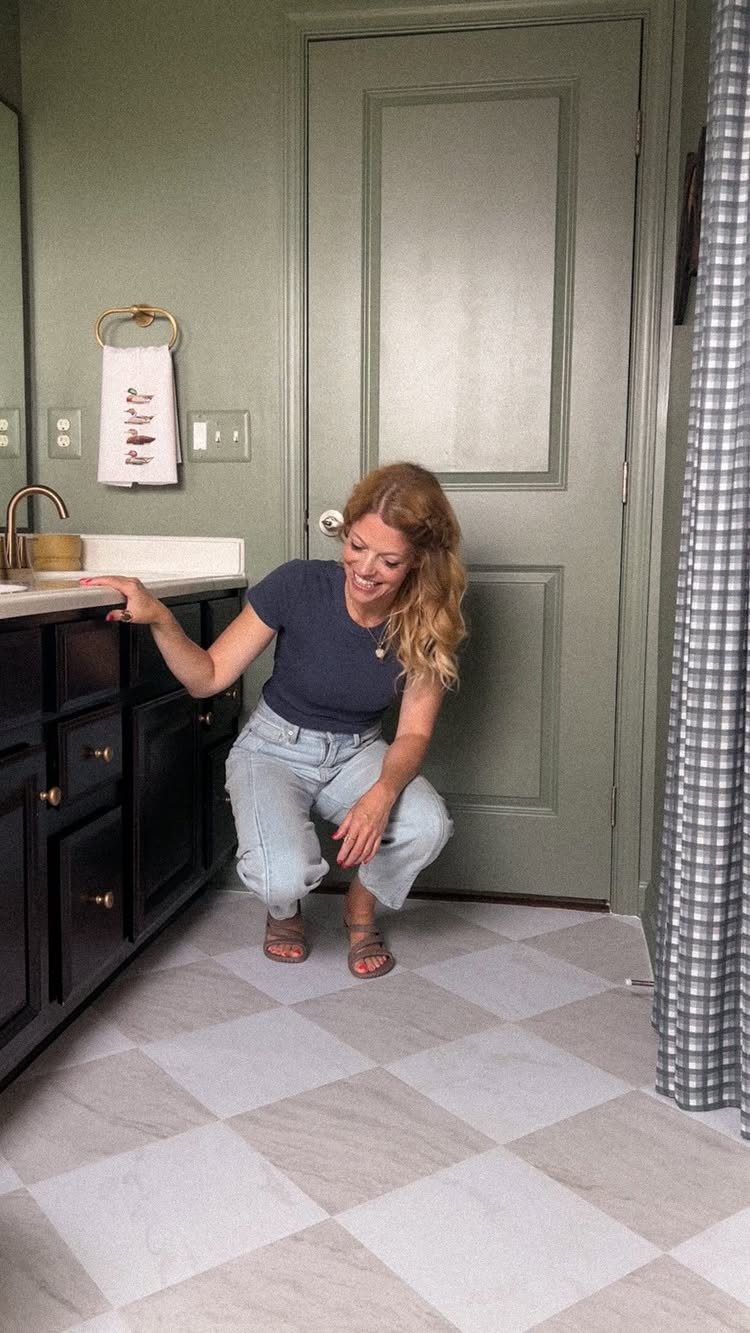
The checkered floor reads as intentional rather than retro because the squares stay large and the contrast stays low. Beige and cream keep the pattern from dominating a small bathroom, which a black-and-white version would swallow whole.
I see this working best in a galley bathroom or a laundry room where the geometry can run uninterrupted; break the pattern with a threshold or an island and the effect fragments into busy noise.
Installation matters here because any misalignment multiplies across the grid.
Peel-and-stick versions exist, but I’d spring for click-lock planks in a wet room; the extra cost per square foot buys the waterproof core that prevents the corners from curling in humidity.
Installation Ease
No acclimation period means no boxes sitting in the hallway while you wait for the material to adjust.
The integrated grout lines cut installation time and cost by roughly half compared to traditional tile, since you skip the mortar mixing, the trowel work, and the cure time before you can walk on it.
For a weekend project with a Monday deadline, the printed lines keep the schedule intact.
Waterproof Features
The rigid core construction handles bathroom humidity cycling daily without swelling at the edges, which is where peel-and-stick products eventually fail. Dent resistance is built into most of these products, though the warranty language varies by brand.
The floating lock installation leaves no seams for moisture to penetrate, so a spilled pot or a shower overspray sits on top until you mop it.
Frequently Asked Questions
What is the downside of vinyl flooring?
Vinyl flooring does not carry the weight or cool solidity of real stone underfoot, so the luxury feel stays visual rather than tactile.
For rentals and first homes, the trade is usually worth it because the waterproof surface and skip-the-grout installation save weekends and upkeep.
If authenticity matters more than practicality, engineered stone tile with real limestone content gets closer to the genuine article.
Is there vinyl that looks like tile?
Yes, luxury vinyl tile prints stone and ceramic patterns with enough variation that repeat patterns do not telegraph across a floor.
COREtec Tile builds the grout lines into the print itself, while Armstrong’s Alterna line uses a limestone-heavy core that handles impact without cracking.
Digital embossing adds texture that catches light like real stone, though the surface stays warmer and slightly softer than ceramic.
What is the new trend for flooring?
Natural, textured finishes with warm undertones are dominating current flooring choices, with white, cream, and grey stone looks leading for versatility.
High-variation patterns such as checkerboard vinyl tile are also gaining ground, especially in small bathrooms and laundry rooms where the geometry can run wall to wall.
The trend pairs stone-look vinyl with wood-look planks in adjacent spaces for layered texture without clashing colors.