These 6 diy garage shoe storage ideas run from a few dollars per crate to a full Saturday with a miter saw, and the right one depends on whether you need damp boots to dry out or dust kept off entirely.
A repurposed crib side panel with slatted shelves suits the first camp; sealed clear plastic bins with three-side latches suit the second.
The span is wide enough that a renter with one parking spot and a pocket-hole jig can land somewhere completely different from a household sorting kid sneakers, work boots, and cross-trainers in milk crates.
1. Vertical Shoe Racks
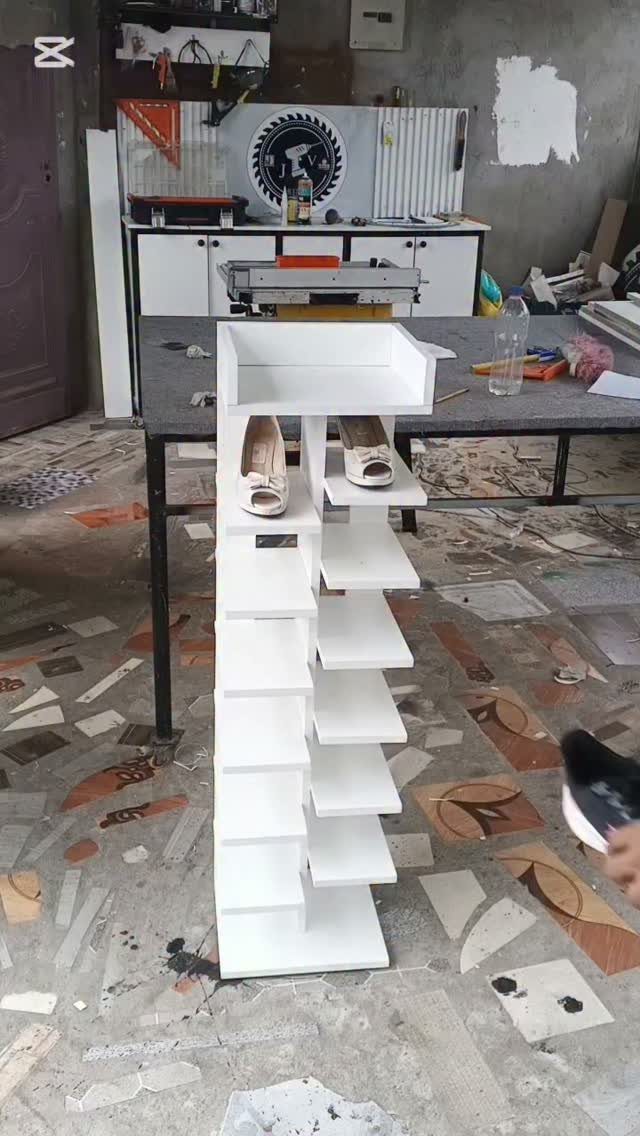
A vertical shoe rack turns a narrow slice of garage wall or corner into storage that goes up instead of out.
For renters and townhouse owners with a single parking spot, that footprint matters more than the width of the unit itself.
Most builds use 4 rectangular shelves with horizontal slats, stacked tall and spaced so a sneaker or heel fits without tilting.
Pine or poplar boards run cheap at a home center; the slats let damp boots dry and keep soles from sitting in pooled water.
I would anchor the top to wall studs, since a full tower of shoes gets heavy fast.
Assembly takes one afternoon with a miter saw and a pocket-hole jig. Sand the slats smooth so leather soles don’t catch.
2. Wall-mounted Metal Racks
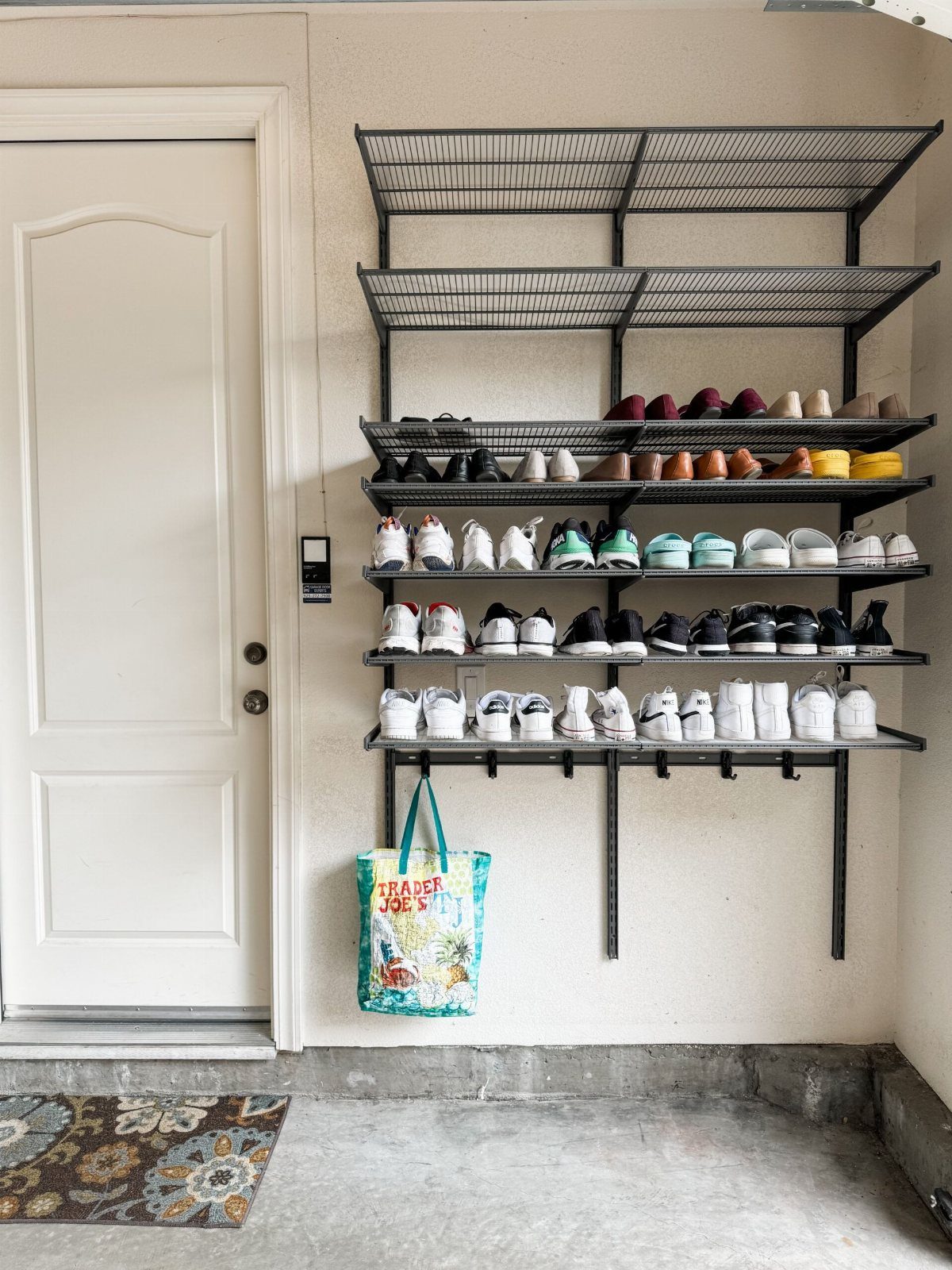
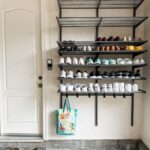
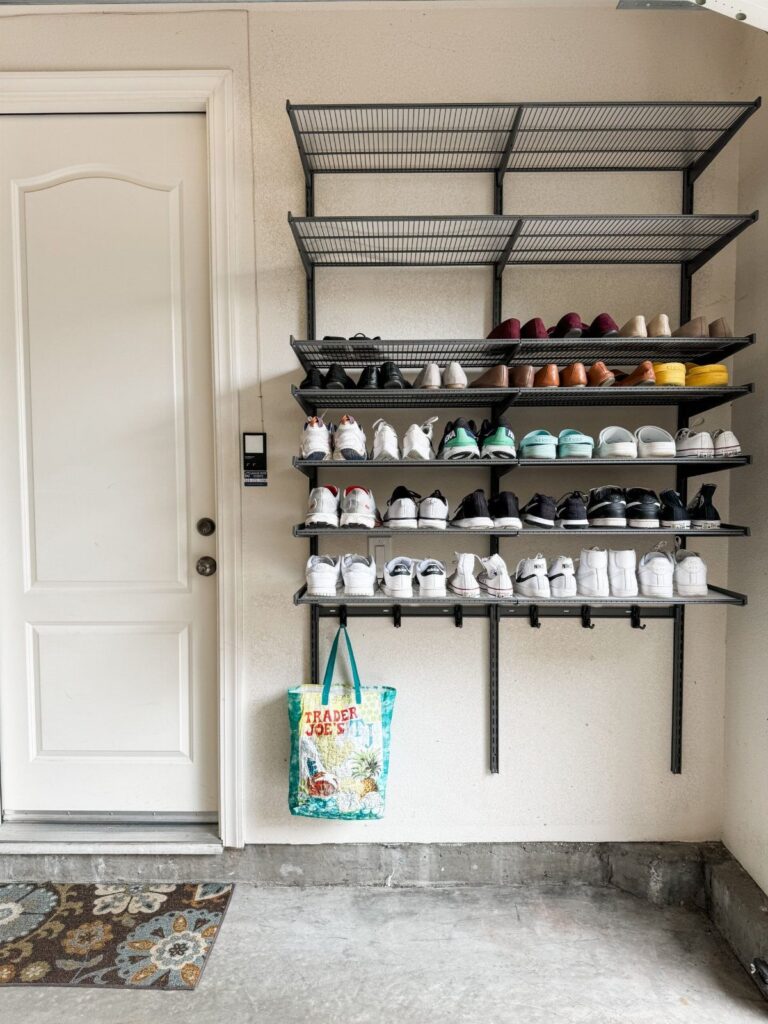
Wall-mounted metal racks screw directly to studs and keep shoes off the garage floor entirely.
The black wire versions visible in most project photos use adjustable brackets, so you can shift shelf heights between a row of kid sneakers and a row of work boots.
Installation means finding studs first, then leveling the bracket rail before the shelves click in.
A single section holds several pairs per tier; stack two or three tiers and you have a full collection in the depth of a tote bag.
The wire gaps drain mud and the open front means no door to open when your arms are full of groceries.
Trader Joe’s totes or mesh bags hang well from the bottom rail for cleats or flip-flops you don’t mind jumbled.
3. Clear Plastic Bins
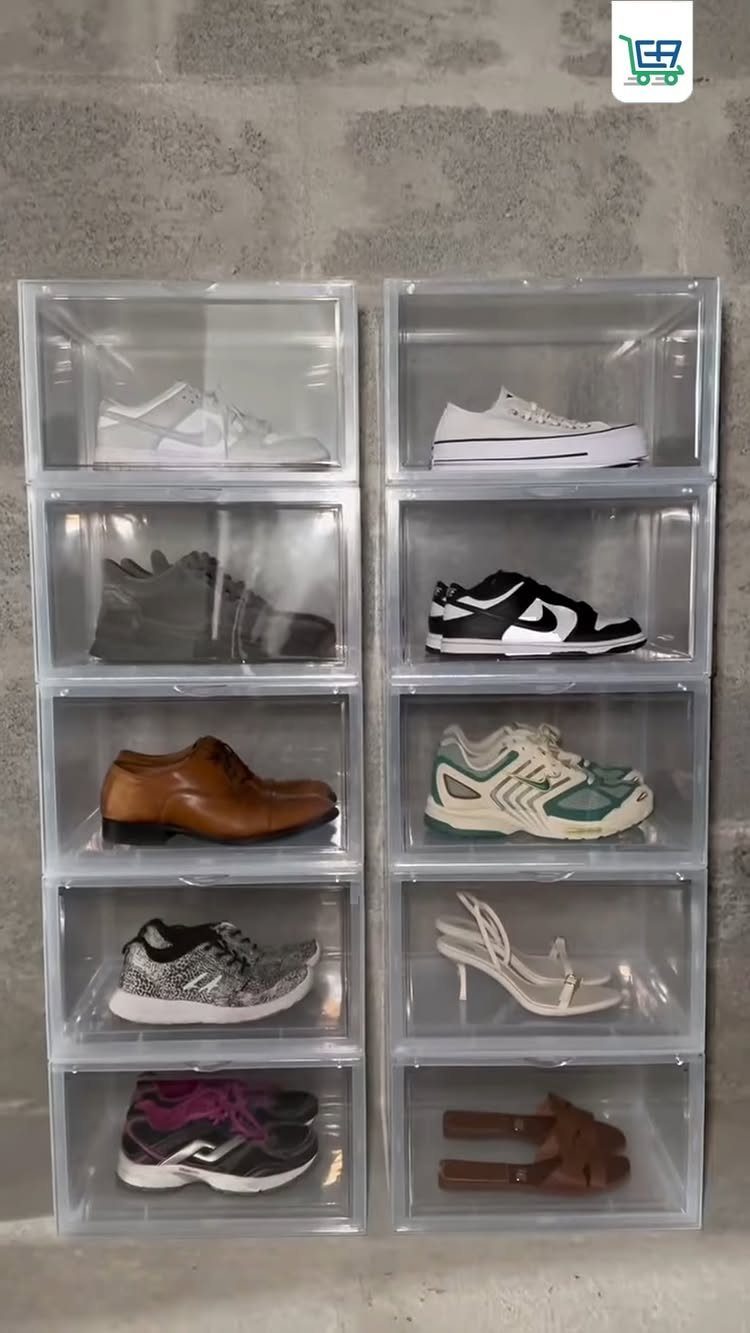
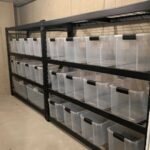
Clear plastic bins stack 2 columns high against a block wall and let you read the contents without unlidding anything. You can see straight through the sides: seasonal shoes stay findable through a year of garage dust and temperature swings.
Look for bins with a lid that latches on 3 sides. A bin that seals keeps out mice and the fine grit that blows in under garage doors.
Label the short edge with a Sharpie, or skip labels and trust the clear walls. I prefer the flat-lid style for stacking stability; domed lids waste vertical space when you build a tall column.
Cost runs a few dollars per bin at big-box stores. Replace any that crack in cold weather, since a split bin collects moisture instead of blocking it.
4. Tiered Shelving Unit with Bench
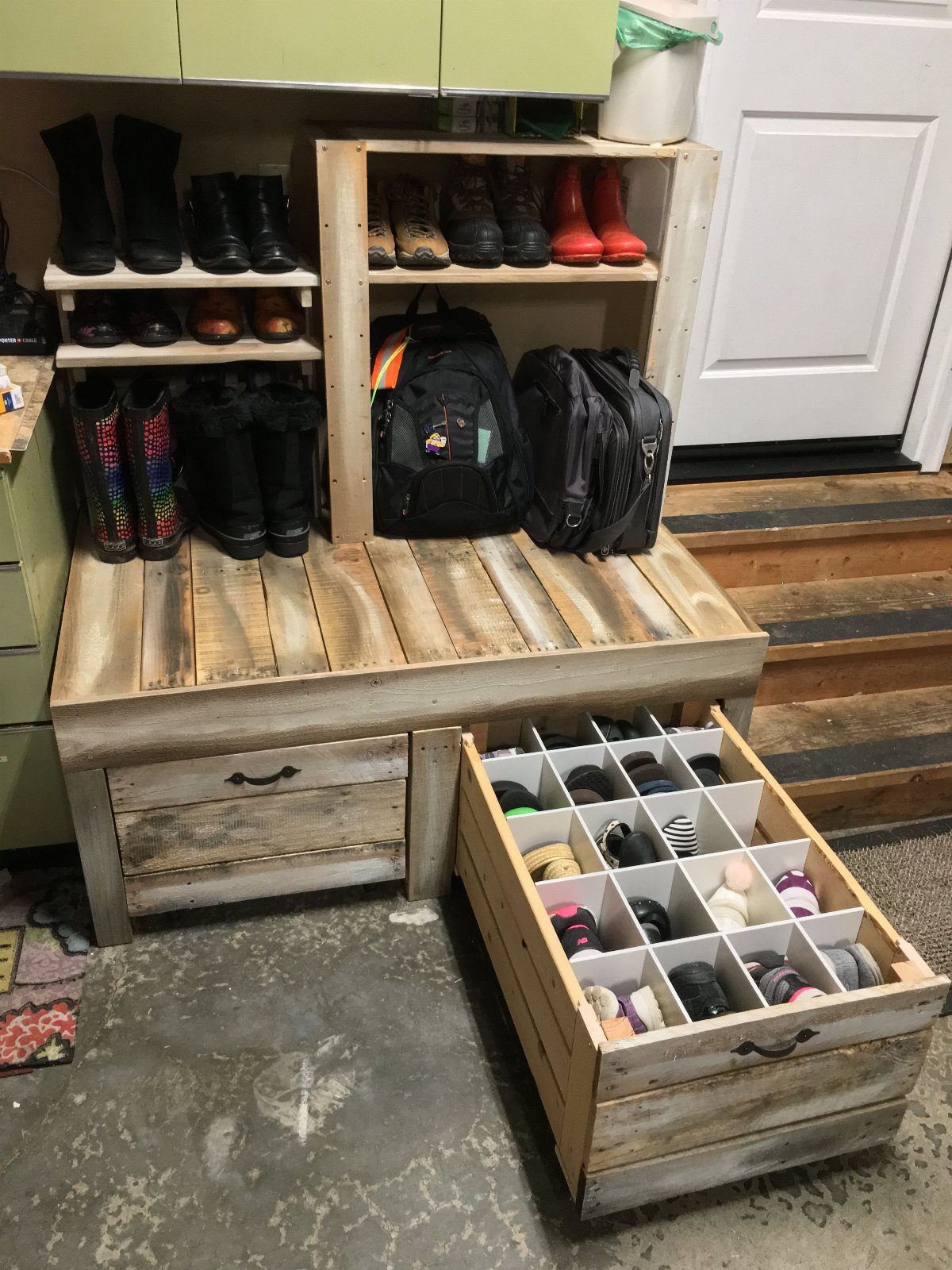
A tiered shelving unit with a built-in bench gives you a place to sit while lacing up, plus open shelves and cubbies that keep shoes visible but off the garage floor.
Pallet and scrap wood work for the whole frame, which keeps the total cost low.
Construction follows basic bookshelf logic: a 2×4 frame, plywood shelves, and a bench height that lets your knees stay comfortable.
The tilted cubby organizer shown beside it is optional; a single matching piece keeps small kid shoes from getting lost behind boots. Casters on the cubby let you roll it out for sweeping.
This build wants a full Saturday and a miter saw. The bench top needs bracing if adults sit daily; add a center support or keep the span under 4 feet.
5. Repurposed Crib Side Panel
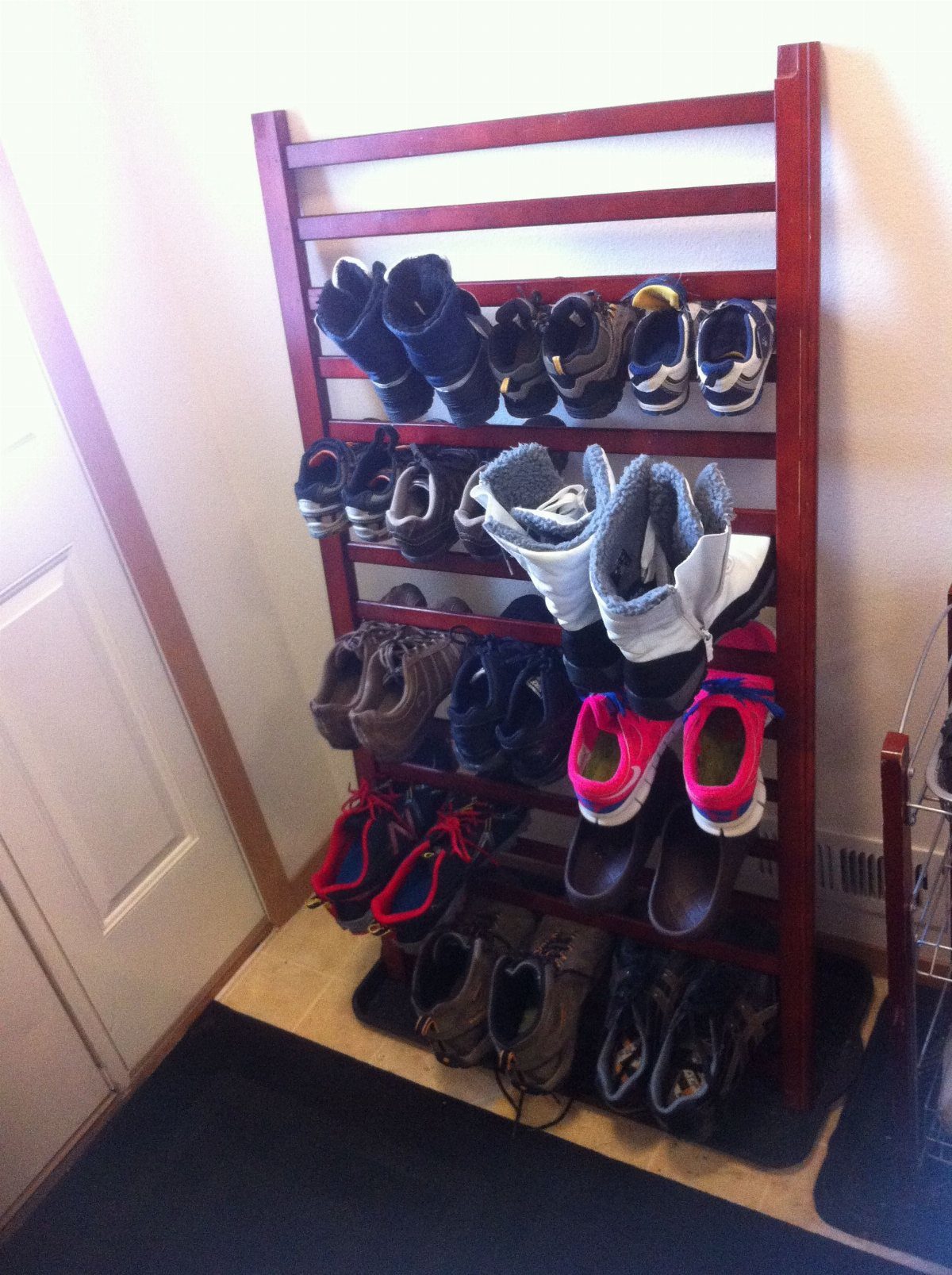
A crib’s drop-side panel mounts vertically on wall studs and becomes a slatted shoe rack with the rails already built in.
The horizontal slats, spaced close enough to catch a heel or toe box, hold the shoe flat against the wall.
Finding a crib matters more than the build. Check Facebook Marketplace, yard sales, or ask in a local parenting group; most safety-recalled drop-sides have been discarded, but the side panels themselves are still solid wood.
Sand any finish that might transfer to light leather, then screw through the panel’s frame into studs with construction screws.
This suits narrow walls beside a garage entry door where a shelf would jut too far. The slats work best for shoes with some heel structure; flat-soled slip-ons may need a small block behind them to stay put.
6. Plastic Milk Crates in a Grid Pattern

Black plastic milk crates arranged in a square grid cost less than any other option here and reconfigure when your shoe collection changes.
A small group forms a single cube; stack or extend into a longer row without cutting or drilling anything.
Labels on top crates separate footwear by purpose, calisthenics gear, and training equipment. That sorting system matters more than the container: assign each family member a column, or sort by season, or by sport.
Crates with solid bottoms contain mud and water better than wire; the open grid sides still let damp items breathe.
Source crates from restaurant supply stores, dairy distributors, or farm auctions. Standard size is roughly square; measure your garage depth before you buy a full set.
Frequently Asked Questions
What is the best way to store shoes in my garage?
Wall-mounted racks and vertical towers keep shoes off the floor and use the narrow gaps between parked cars or beside doors.
A corner pine rack with slatted shelves lets wet boots drip dry, while wire wall racks anchor to studs and pack several pairs into about the same depth as a tote bag.
Both keep the concrete floor clear for parking and sweeping.
What are some affordable DIY garage storage ideas?
Plastic milk crates cost less than anything else and reconfigure without tools; a restaurant supply store sells them by the stack.
A repurposed crib side panel is free if you find one at a yard sale or parenting group, and the slats are already spaced for heels.
Pallet wood builds a bench with shoe cubbies for the price of casters and hardware alone.
What are some creative DIY shoe storage ideas?
A crib drop-side panel mounts vertically on studs and becomes a slatted rack with the rails already built in; the horizontal bars catch a heel or toe box. Both keep the garage floor completely open.