The 2026 wood floor ideas in this list range from honey oak you can live with tomorrow to espresso dark engineered hardwood that needs a pro install and a bigger budget.
What decides which one belongs in your house is whether you want the floor to pull the room open with something like blonde oak or whitewashed wood, or ground it with charcoal or warm dark brown.
A 7-inch wide plank can drop the seam count across your floor by half, and that single choice changes whether the space reads as modern openness or grounded weight.
1. Honey Oak Wood Floors
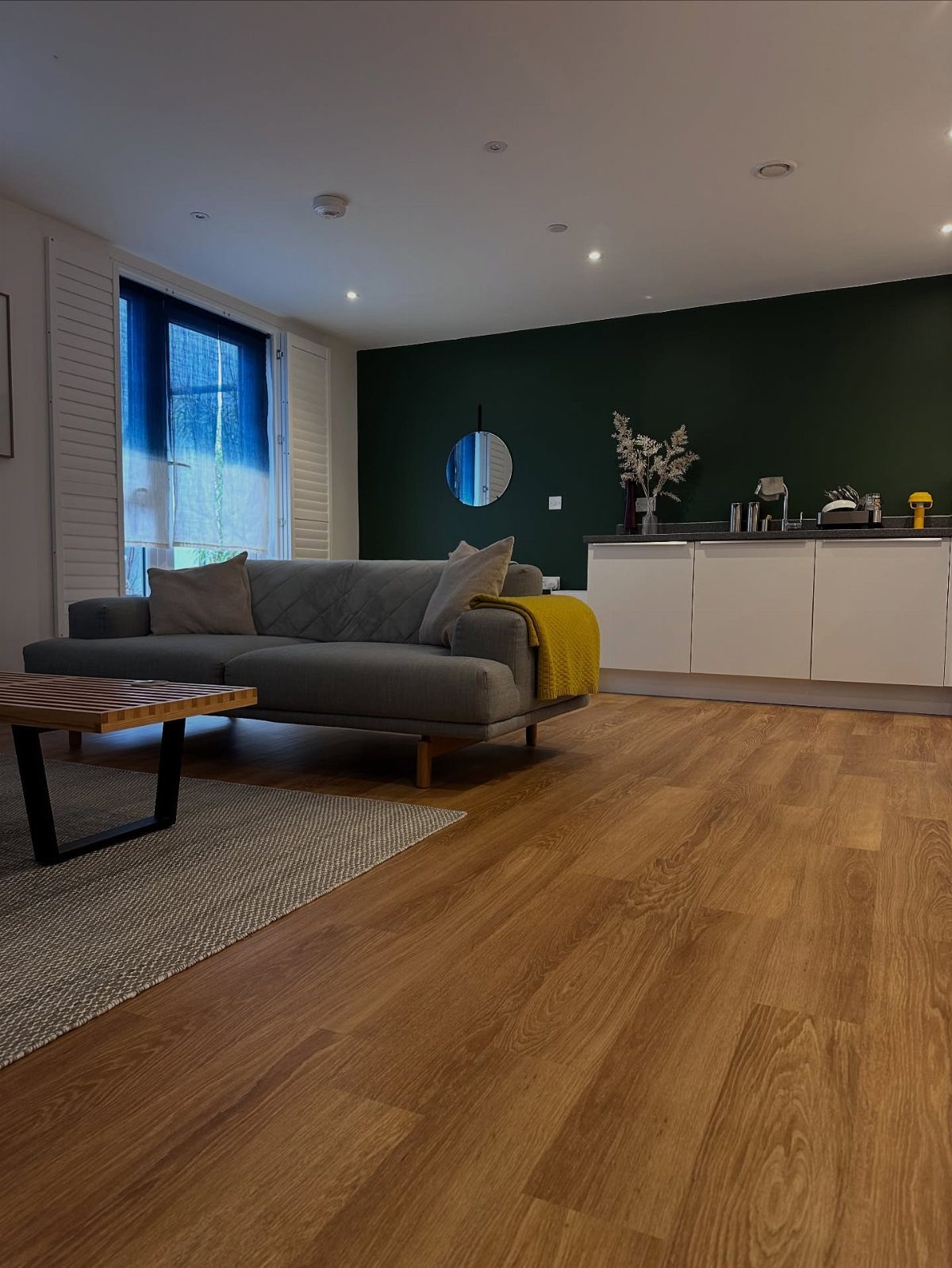
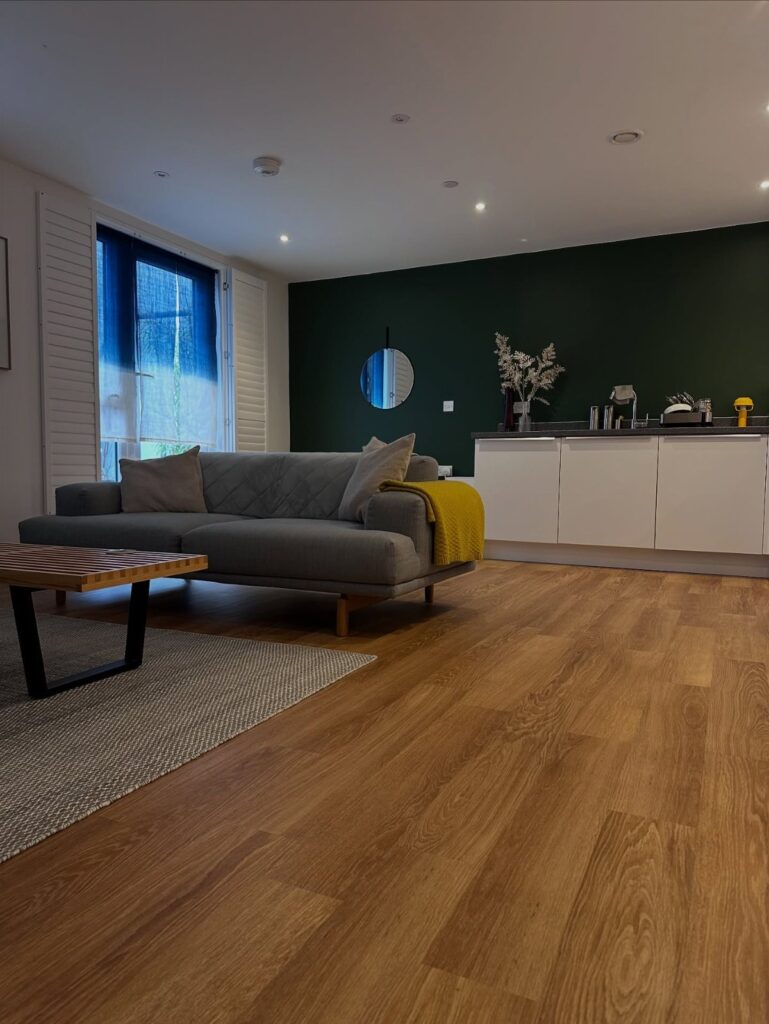
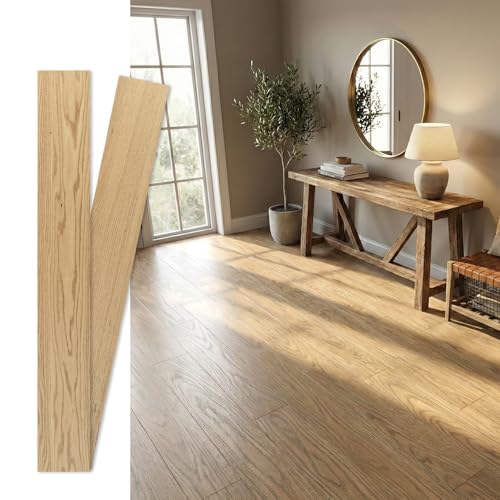
Honey oak brings back the warmth that gray floors stripped out of too many living rooms. The tone sits between yellow and caramel, earthy enough to feel welcoming without dating itself to any single decade.
I would use this in a house where the cabinets or furniture already lean cool; the floor does the work of softening the whole space without replacing every piece.
A satin or matte finish keeps it from looking like the glossy oak that dominated three decades ago.
If your walls are already greige or one of those clay-inflected taupes trending now, this is the floor that ties them together. Add a natural fiber rug and brass fixtures later; the base layer already does the heavy lifting.

Genuine French Oak Construction: Crafted from authentic French Oak, offering natural elegance and character.

2. Herringbone and Parquet Patterns
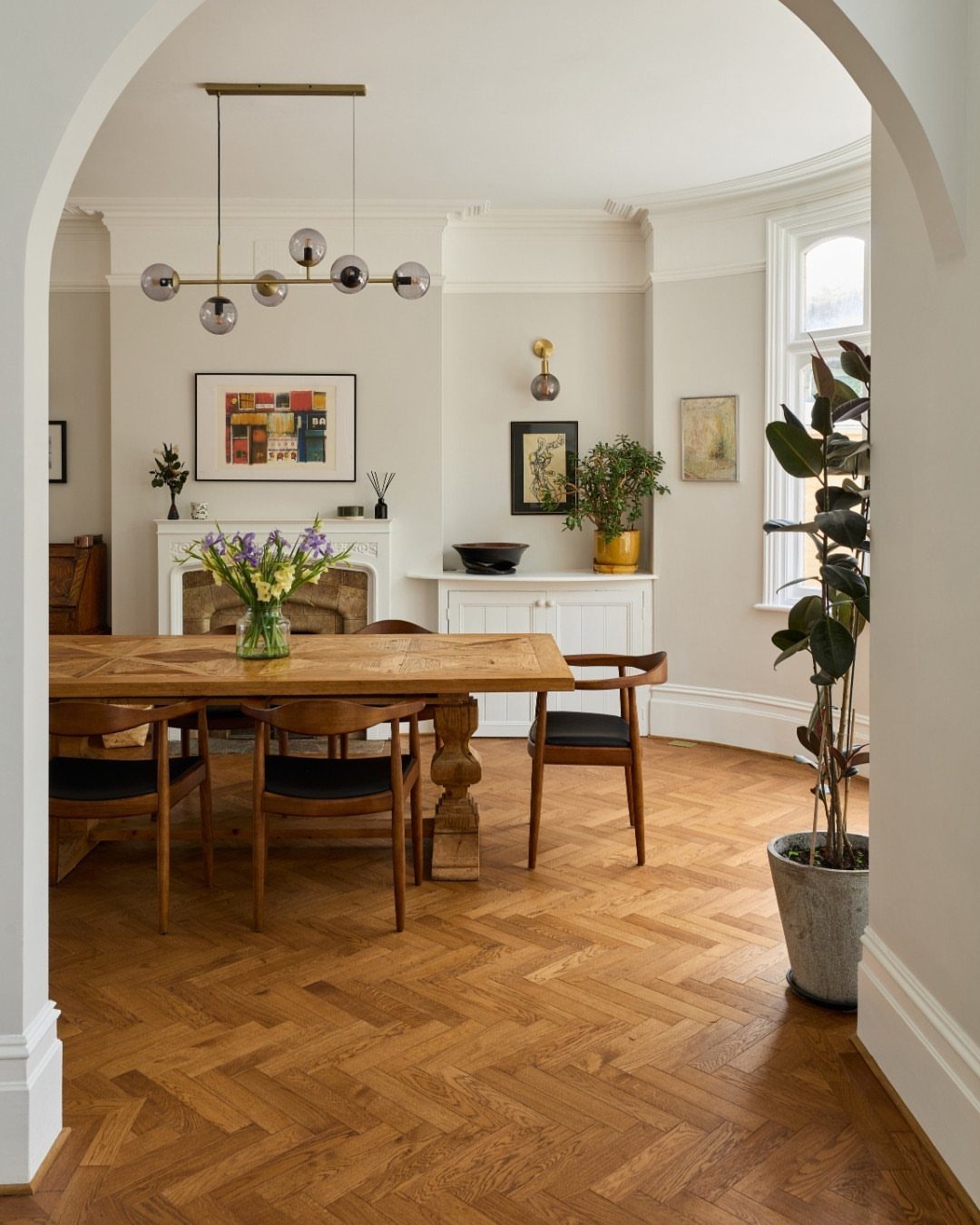
Herringbone runs at a staggered angle, catching light differently across each small board. That movement is what sells it; a plain plank floor would read as one flat surface, but this pattern keeps the eye traveling.
Installation is where weekend projects end and professional work begins. Small misalignments in a herringbone layout stand out immediately, and the cuts waste more material than straight runs.
Budget for that, or choose a simpler layout.
Entryways and hallways suit this best, places where the directional flow guides traffic. In a small kitchen it can feel busy; in a long corridor it feels deliberate.
I’d put it where someone pauses to look, not where they stand to cook.

🏠DETAILS: 15.8x78.8 Inch, total 8.65 sq.ft (40cmX2m) Made of durable thin vinyl, thickness: 0.015 In (0.4MM). Peel and stick wood planks vinyl flooring roll, brown shiplap planks color. Waterproof. Removable.

Authentic Wood Look: True classic Color. Blonde Oak blends sun-kissed blonde tones with elegant character. Featuring the rich texture and natural hues of oak, it seamlessly complements both traditional and modern interiors

𝐄𝐟𝐟𝐨𝐫𝐭𝐥𝐞𝐬𝐬 𝐃𝐈𝐘 𝐈𝐧𝐬𝐭𝐚𝐥𝐥𝐚𝐭𝐢𝐨𝐧:Achieve a seamless upgrade with our peel and stick floor tiles. No grout, glue, or special tools needed. Simply peel the self-adhesive backing and stick the vinyl flooring directly onto clean, smooth subfloors. Easily trimmed with scissors for a perfect fit around corners and edges. The flexible planks allow for custom splicing patterns, making it the ultimate renter-friendly and easy flooring to install solution for any DIY enthusiast
3. Charcoal Wood Floors
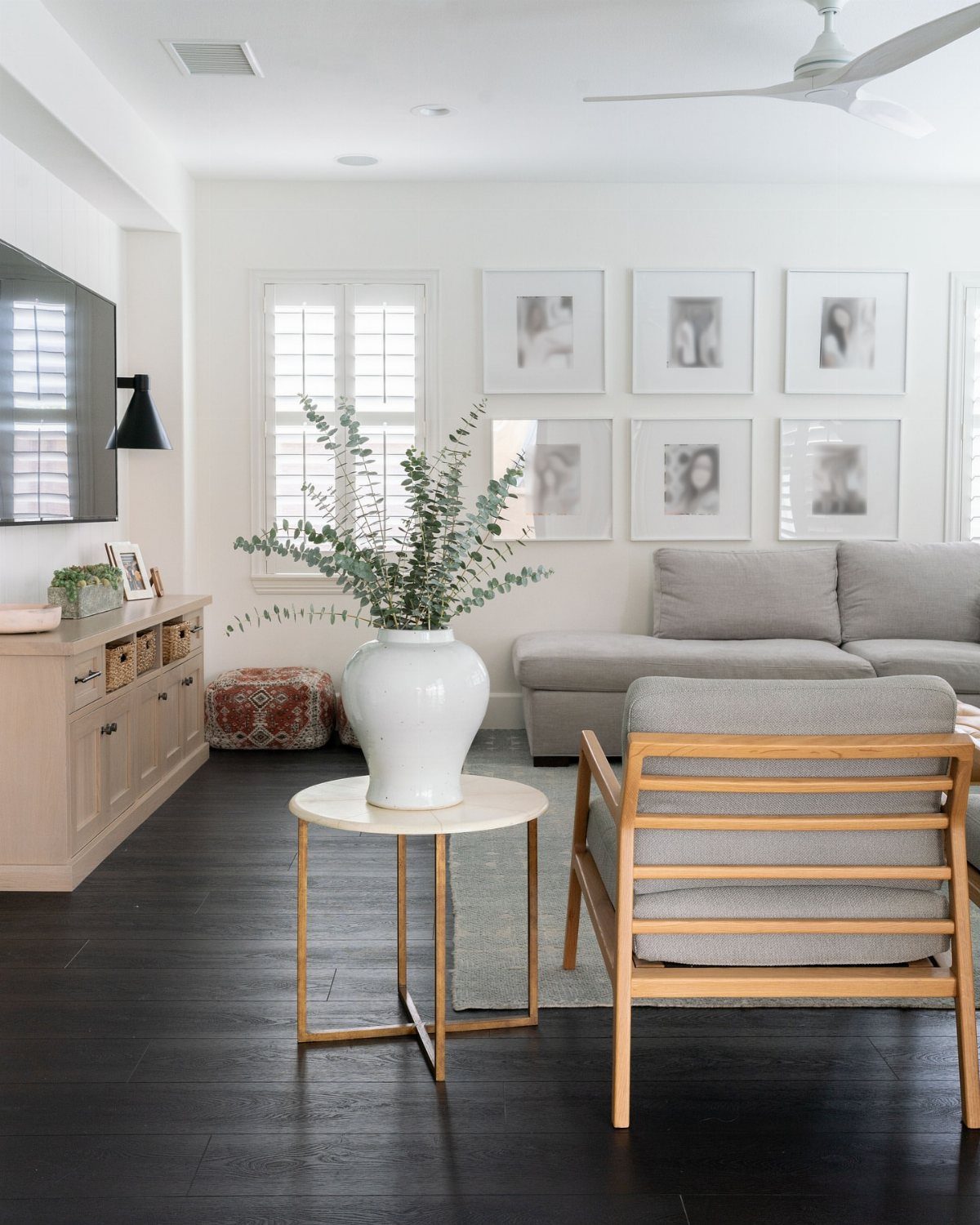
Charcoal floors absorb light instead of returning it, which makes them feel grounded until it makes them feel heavy.
The difference is windows and lamps; a room with neither will cave in on itself, while a bright space gains depth without gloom.
Dust shows faster on dark surfaces, so the maintenance shifts from occasional to regular. That tradeoff works in formal rooms used for evenings, less so in entryways that see daily grit.
I’d use this where the walls already carry bold color: deep green, navy, a strong charcoal itself. The floor steadies the room, keeps the walls from floating away.
In a pale, minimal space it would read as a hole in the floor.

8 LB. BAG ALL-NATURAL HARDWOOD LUMP CHARCOAL FOR GRILLING, SMOKING & OUTDOOR BBQ COOKING – Upgrade your grilling experience with Mr. Bar-B-Q Lump Charcoal, made from a premium blend of 100% natural hardwoods for a clean, hot, and flavorful burn. Perfect for charcoal grills, smokers, kamado cookers, and portable BBQ setups, this high-quality lump charcoal delivers rich smoky flavor, consistent heat, and low ash for better performance and easier cleanup. Whether you're firing up a chimney starter, searing over high heat, or slow-smoking your favorite meats, poultry, seafood, or vegetables, this charcoal is the ideal choice for BBQ enthusiasts, grill masters, and outdoor cooks.

Made from superior quality, kiln-dried southern hardwood

Provides an authentic southern BBQ flavor
4. Wide Plank Hardwood
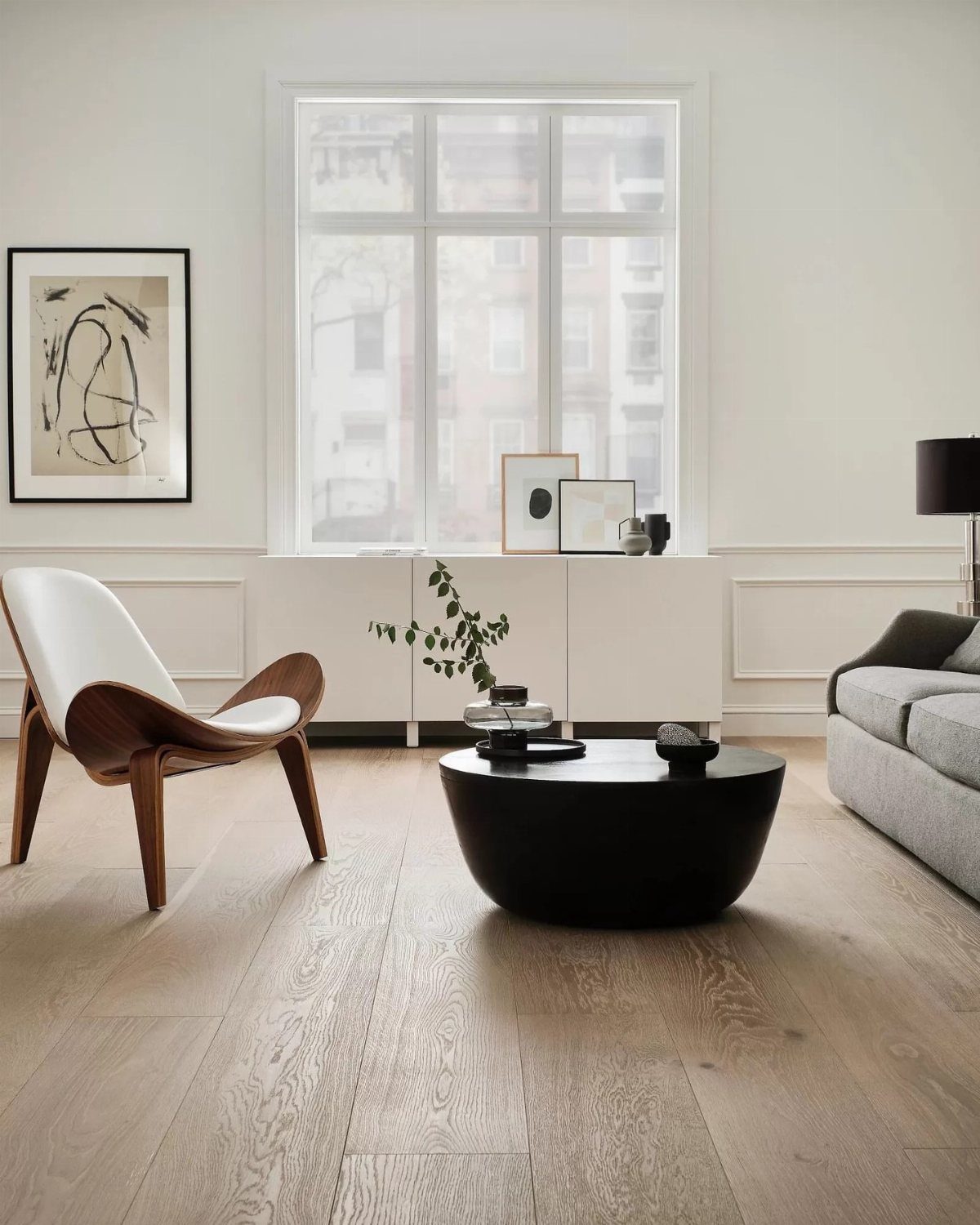
Boards at 7 inches or wider drop the seam count across a floor by half or more, and the grain becomes the pattern instead of the layout. That openness suits modern spaces where the furniture does the talking.
Oak and walnut handle the width without warping; softer species need more stable environments than most houses provide. Subfloor prep matters more here than with narrow boards, and moisture testing is not a step to skip.
The look works in small rooms too, despite the assumption that wide planks need sprawling space. Fewer seams mean less visual clutter, which reads as room to breathe.
I’d pick this for any open plan where the kitchen, dining, and living areas share one continuous surface.

This listing is for 2 pieces of wood floor samples 8"

Advanced sublimation heat transfer craft achieves full-wrap seamless print on back and all side edges, lifelike horizontal wood grain stays crisp and color-locked, no fading even with long-term daily wear.
Advanced sublimation heat transfer craft achieves full-wrap seamless print on back and all side edges, lifelike horizontal wood grain stays crisp and color-locked, no fading even with long-term daily wear.
5. Blonde Oak Wood Floors
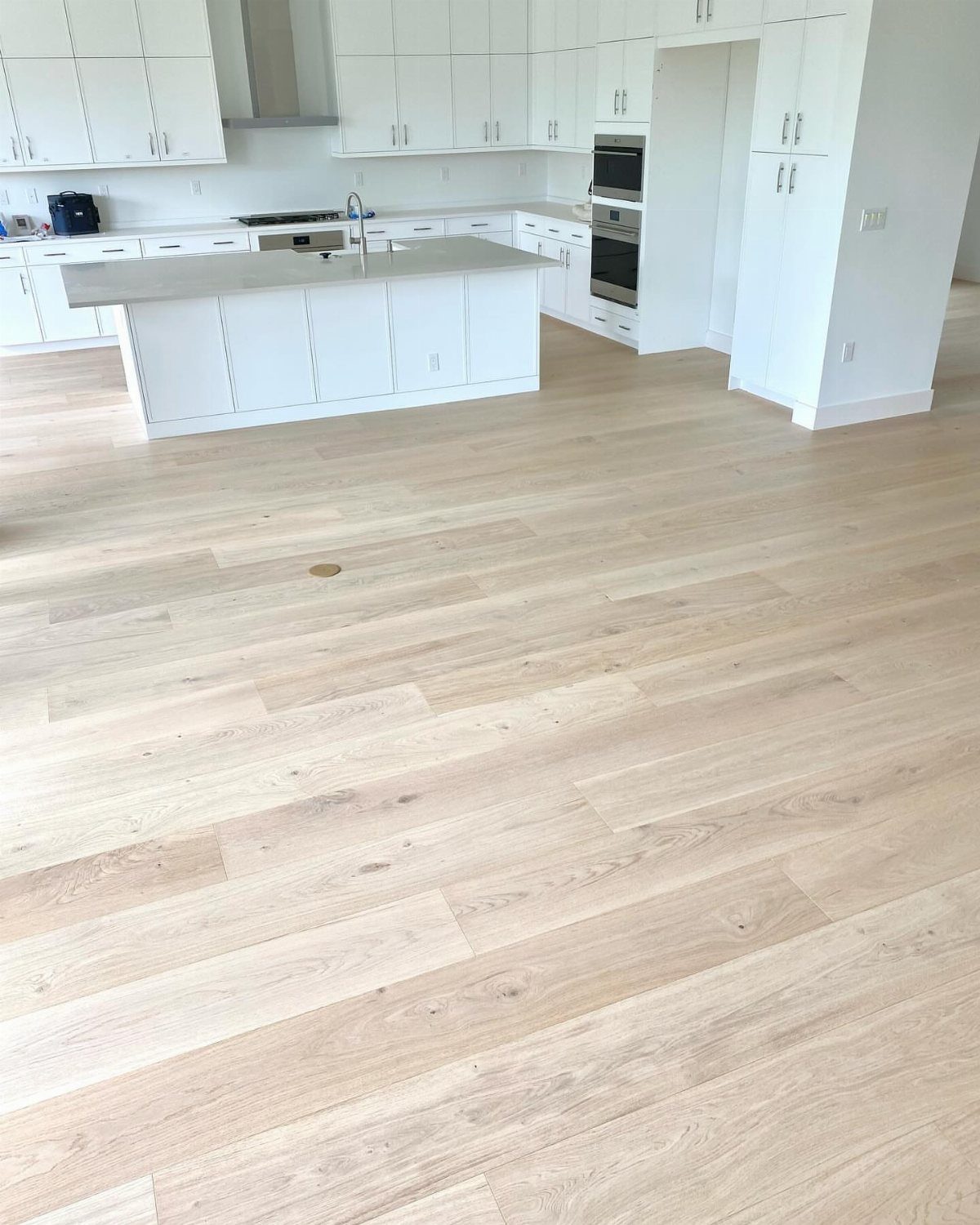
Blonde oak bounces light around a room the way pale walls do, but with the texture and give of wood underfoot. The Scandinavian influence is clear: maximize daylight, minimize visual weight.
Matte finishes keep it from looking like a gymnasium floor; anything glossy tips toward institutional. White oak specifically carries neutral undertones that shift with the light rather than fighting it.
This is the floor for a house that does not get sun all day, or for a room that needs to feel larger than its footprint.
Dust and small scratches hide better on pale wood than on dark, which matters when the project budget does not include a refinishing fund every few years.

Timeless Elegance: Parquet flooring adds a touch of sophistication and warmth to any room with its intricate patterns and rich wood tones.


Durable Construction: Crafted from high-quality parquet wood for long-lasting beauty and resilience.
6. Espresso Dark Engineered Hardwood
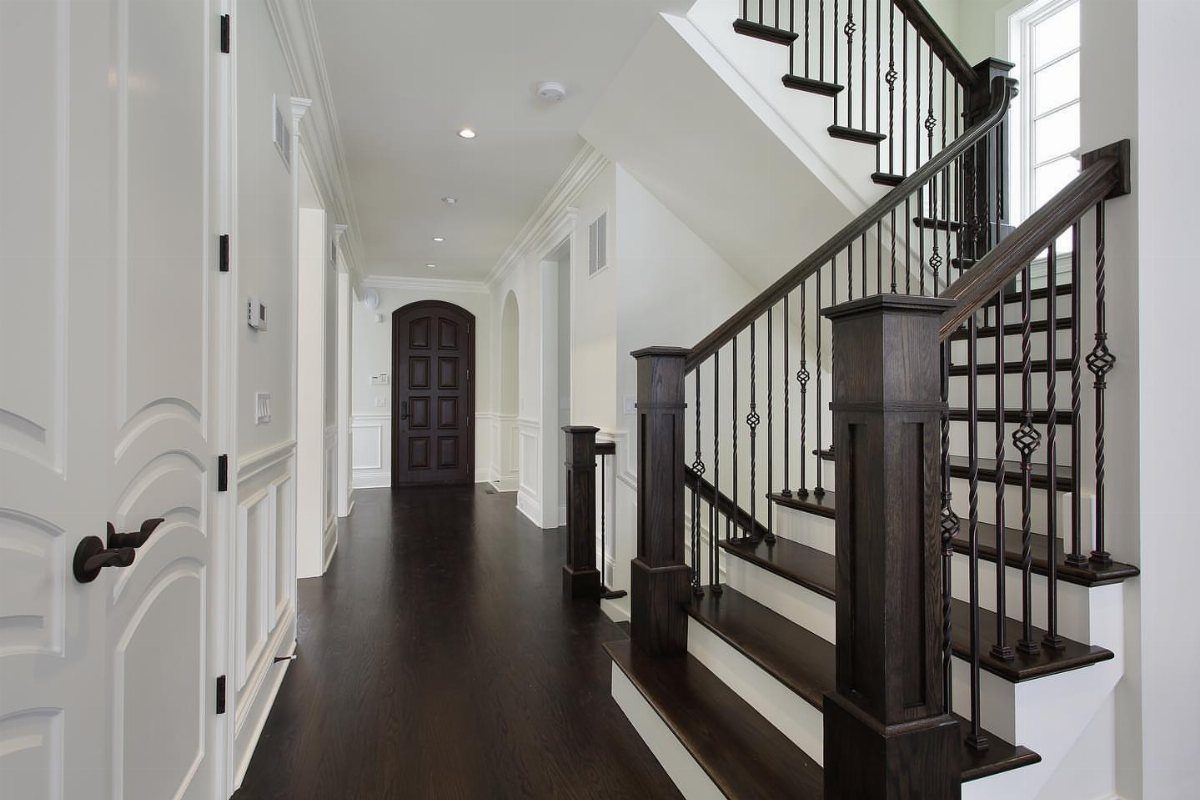
Espresso reads as almost black in low light, chocolate brown where the sun hits it directly. That range is the appeal; the floor changes character through the day instead of sitting static.
Engineered construction matters more at this depth than with lighter stains. Solid hardwood expands and contracts more dramatically, and dark tones show gaps sooner when it does.
The layered core keeps the surface stable.
I would use this in a hallway or stairwell, transitional spaces that benefit from weight and direction. White walls and trim keep it from feeling like a cave; without that contrast, the floor would swallow the room.
Add warm metals and woven textiles to soften the edges.
Tongue and Groove Design: Jeedeson engineered hardwood flooring features a classic tongue and groove construction.

Wood Floor Cream Cleaner - Parker & Bailey hardwood floor cleaner is a safe, easy-to-use formula that gently works as a degreaser, and dirt, dust, and build-up remover. Rejuvenate floors to their original beauty and natural look.

Durable PB Board & Melamine Finish: Thickened particleboard with melamine veneer for a heavy-duty coffee table that resists water, scratches, and everyday messes—easy to wipe clean for busy living rooms
7. Rustic Hand-Scraped Finishes
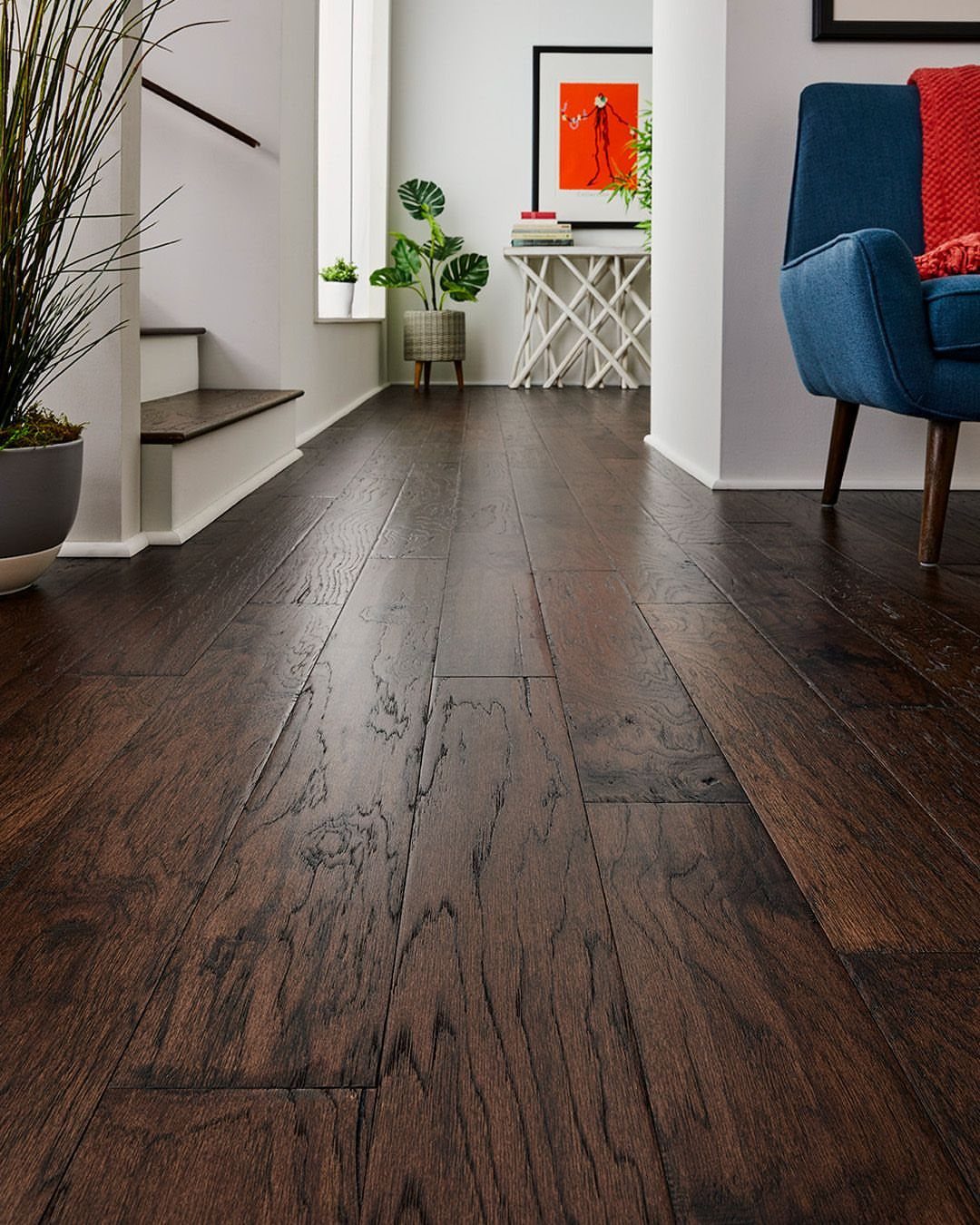
A hand-scraped finish gives you texture you can feel underfoot, not a printed pattern pretending to be old.
Each board carries subtle waves and dips that catch light differently across the day, which hides the small dents and scuffs that start showing on smooth floors after a year with kids or dogs.
Wire-brushed surfaces emphasize the grain more cleanly; hand-scraping goes further into rustic territory without crossing into the heavy distressing that read as artificial a decade ago.
A quieter hand-scraped finish adds enough texture to warm up white walls and modern furniture without pushing the room toward farmhouse territory.
You will pay more for genuine hand-scraping than for machine-distressed boards, and the texture does collect dust differently. A matte sealant keeps the look natural; anything glossy works against the finish.
Best for: households where "lived-in" is a goal, not a problem to solve.

Premium Design-Led Aesthetic: Authentic wood visuals in extra-wide 9” x 72” planks deliver a high-end, modern finish that elevates any space. Enhanced-Beveled edges highlight each plank for a premium look.

REALISTIC WOOD LOOK: Featuring luxury wood-grain texture, micro-bevel edges, and HD film prints, these luxury vinyl planks perfectly replicate real hardwood floors with a fraction of cost of wood flooring.

Waterproof & Easy to Clean — Fully waterproof surface resists spills and humidity; simply wipe clean with a damp cloth. Ideal for kitchens, bathrooms, laundry rooms and pet areas, and suitable for use throughout indoor spaces including offices, schools, cafés and more
8. High Variation in Wood Color Schemes
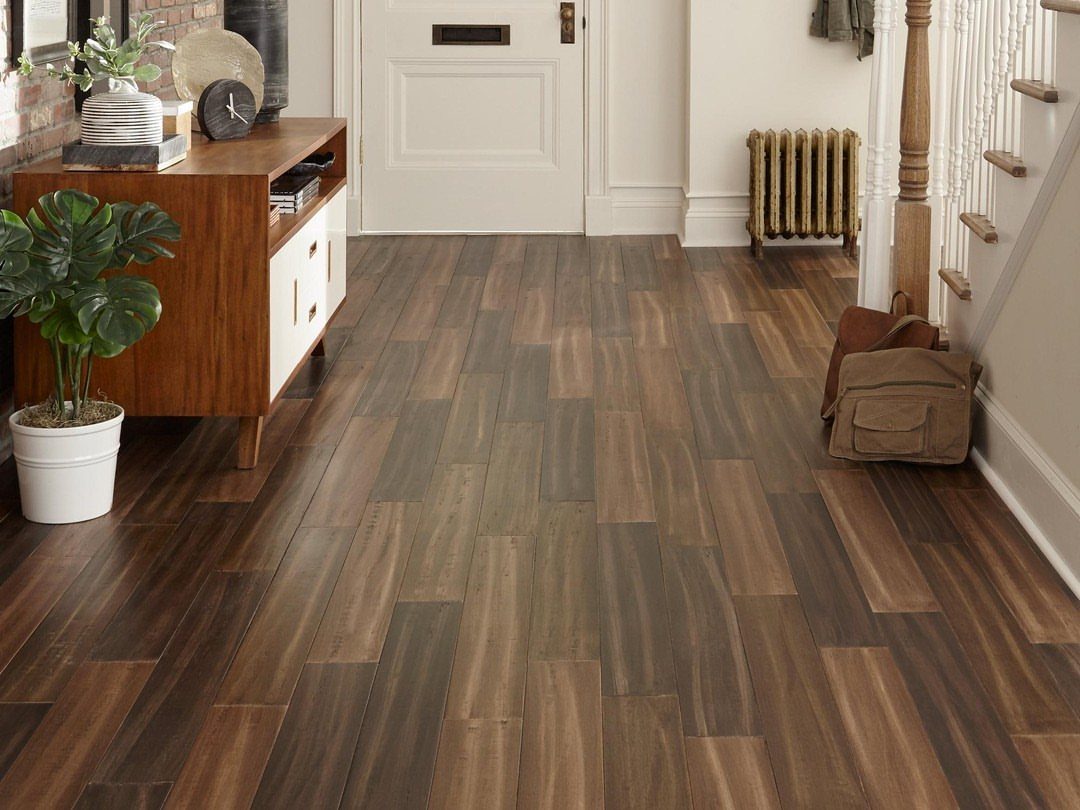
White oak and hickory naturally carry color swings from pale cream to deep amber, and some mills now deliberately sort and mix these grades instead of grading them apart.
The result is a floor that moves as you walk across it, light catching different planks at different angles.
That variation does practical work. Dirt, pet hair, and the grit that tracks in from outside disappear against a surface that already shifts in tone.
You are not fighting to keep a uniform color intact; the floor is doing some of that work for you.
Designers treat these floors as neutrals despite the drama, since every tone in the mix is itself a natural wood color.
The risk is choosing a version too extreme for your furniture: subtle variation reads as texture, while heavy streaking demands simpler, quieter pieces around it.
Match to the most common tone in the boards, not the lightest or darkest outlier.

100% All-Natural Hardwood: Hardwood Lump Charcoal is made from premium, additive-free hardwood for a clean, chemical-free burn that enhances the natural flavor of your food
QUALITY LUMP CHARCOAL: Not all fire is created equal. Our premium, hand-picked lump charcoal is kiln-fired and packed in its natural shape for professional-level results on the grill and in the smoker.

Value 2-Pack Bundle: Each bag contains 15 lbs premium kiln-dried southern hardwood lump charcoal, supporting multiple outdoor barbecue sessions.
9. Whitewashed Wood
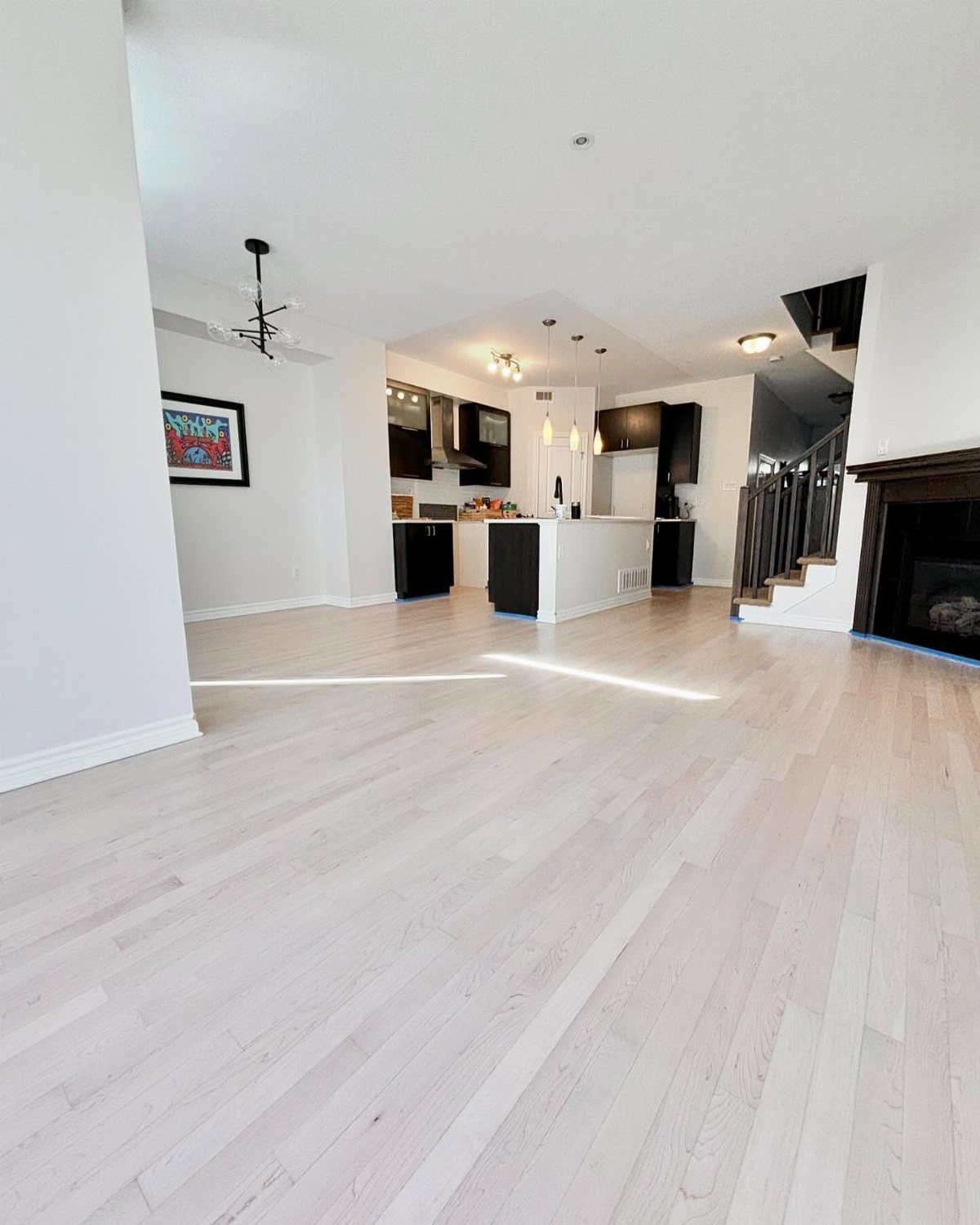
Whitewashed oak brightens a room without the coldness that pure white or pale grey can carry.
The stain sits in the grain rather than floating on top, so you still read wood, not paint, and the warmth of the oak comes through in the undertone.
Against dark cabinets and a dark fireplace, the contrast is where this finish earns its keep. It keeps the floor from disappearing into the same tone as pale walls, and it prevents a dark-heavy room from feeling bottom-heavy.
The beach association is real; go lighter with the wash and the reference gets explicit, which suits some houses and reads as affectation in others.
Durability depends on the sealant, not the color. A whitewashed floor with a good oil-modified polyurethane holds up to the same traffic as any oak floor; the light color just makes you notice the wear later.
Advanced sublimation heat transfer craft achieves full-wrap seamless print on back and all side edges, lifelike horizontal wood grain stays crisp and color-locked, no fading even with long-term daily wear.
Advanced sublimation heat transfer craft achieves full-wrap seamless print on back and all side edges, lifelike horizontal wood grain stays crisp and color-locked, no fading even with long-term daily wear.
Advanced sublimation heat transfer craft achieves full-wrap seamless print on back and all side edges, lifelike horizontal wood grain stays crisp and color-locked, no fading even with long-term daily wear.
10. Light Grey Wood Floors
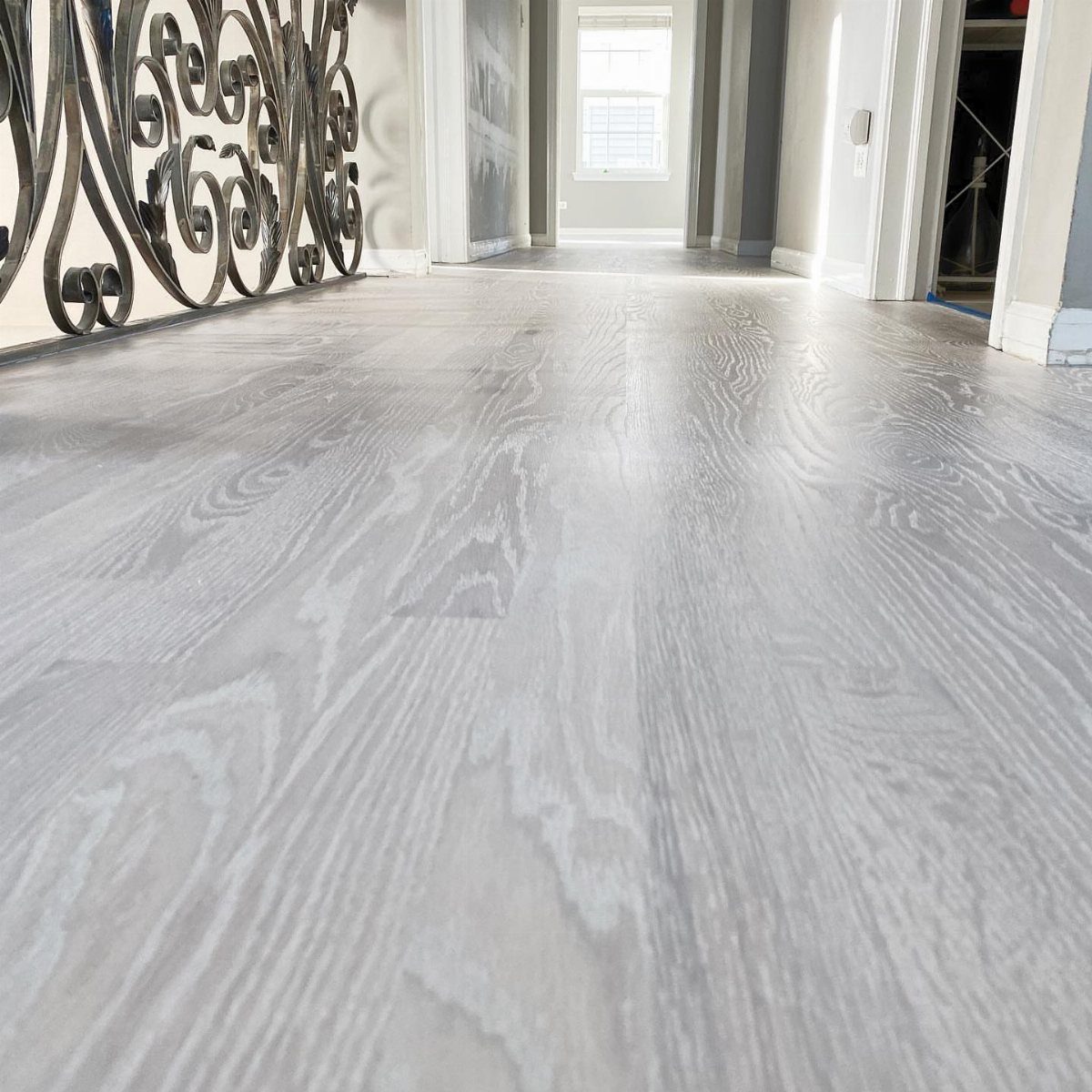
Light grey oak reads as Scandinavian by association, but the tone works anywhere you want calm without the yellow undertone that natural oak carries. The grain stays visible, which separates it from the flat, plastic look of cheap grey laminate.
Matte finish is essential here. Any gloss turns the grey clinical, and the whole point is a floor that recedes quietly while everything else in the room takes attention.
In a hallway with iron railing and white trim, the grey picks up the metal without matching it exactly, the kind of subtle coordination that makes a room feel considered rather than decorated.
Pairing note from the current trend cycle: jewel-toned walls, plum or deep violet, sit well above this floor.
The light grey prevents the bold wall from overwhelming the space, and the natural wood grain keeps the floor from reading as merely neutral.


Texture & Durability: Want to refresh your space fast but tired of peel and stick floor tiles that look fake or peel up after days? This one delivers realistic texture and stays put. With upgraded matte craftsmanship, the vinyl flooring replicates authentic wood grain to fit any home decor. and its high-quality multi-layer reinforced PVC makes it 100% waterproof, flame-retardant, scratch and abrasion resistant

Durable Construction: Crafted from high-quality parquet wood for long-lasting beauty and resilience.
11. Warm Dark Brown Wood
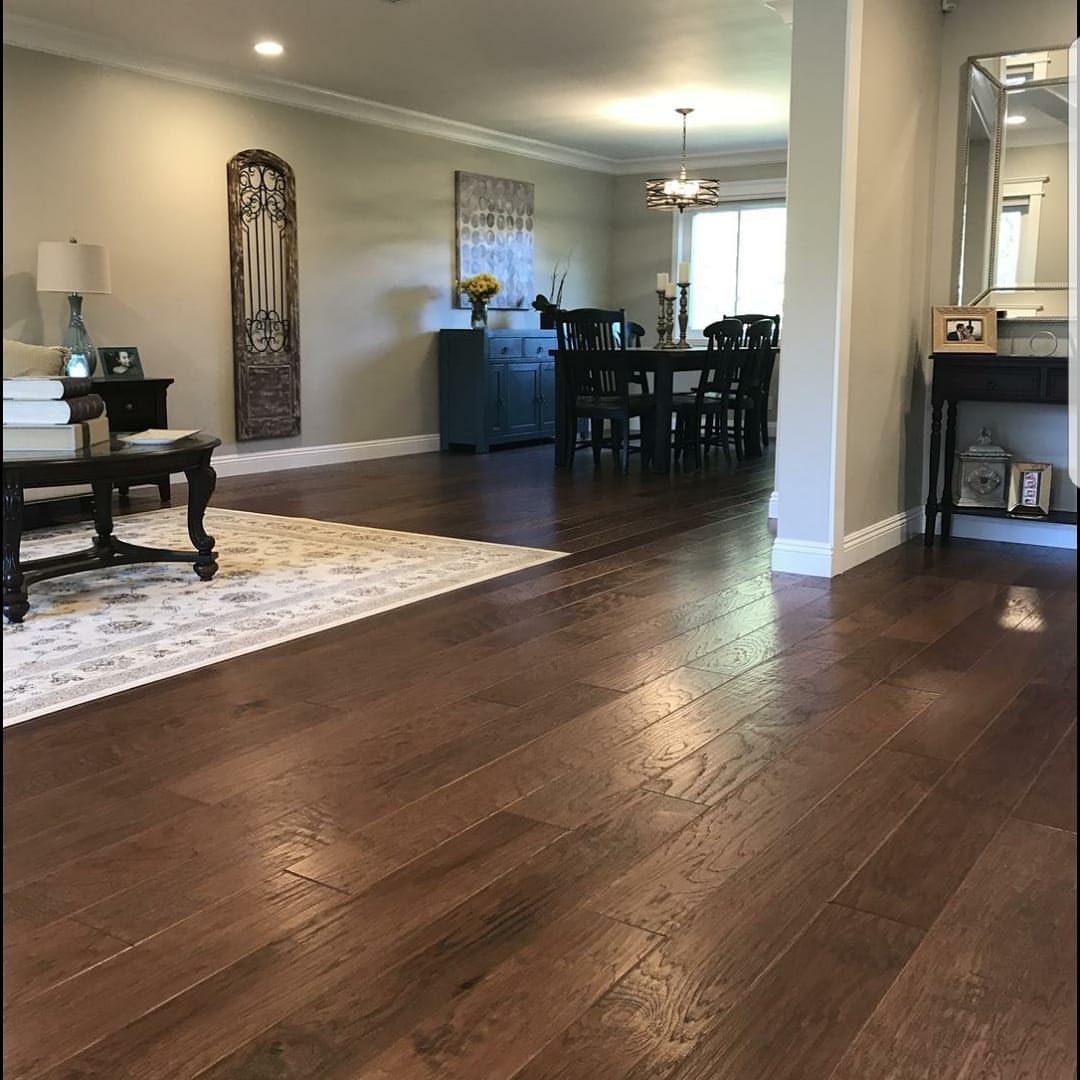
Warm dark brown, the color of black walnut or a deep chestnut stain, brings back what pale floors pushed out: a sense that the floor is holding the room down, giving weight to the space.
After years of bleached and greywashed interiors, this is the choice for anyone who walks into a room and misses the feeling of being enclosed.
An open plan is where this color does its hardest work. Large, bright rooms with pale floors can feel adrift; dark flooring anchors the furniture arrangement and gives the eye a place to rest.
The warmth matters: cool dark browns read as black and flatten the space, while a tone with red or amber undertone keeps the wood alive under artificial light.
Practical cost: dark floors show dust, pet hair, and scratches more readily than mid-tones. You are trading the grounded atmosphere for more frequent cleaning, or accepting that a lived-in look is part of the character.
This color suits living rooms, dining rooms, and bedrooms where you want intimacy rather than airiness.
Coordinating with Paint Colors
Start with the floor and let the wall color follow. A honey oak or warm dark brown floor will push a cool paint toward blue; the same paint reads greener against blonde oak.
Test your swatches on the wall at floor level, not up near the trim where the light differs.
Greige and clay-inflected taupes need warmth from below to keep them from going flat. Light grey floors want the same neutrality in paint, or a deliberate contrast like plum or deep violet that the floor can absorb without competing.
If you are refinishing rather than replacing, the existing undertone in your old boards limits what paint will harmonize. A pinkish old oak fights grey-green walls; a yellowed pine needs warmer taupes, not cool ones.
Match to the floor that is staying, not the floor you wish you had.
Sustainability in Flooring
FSC certification on a wood floor confirms the lumber came from managed forests, not clear-cut land.
The certification doesn’t add to the price tag, though it can help when it’s time to list the house; more buyers are starting to look for it.
Low-VOC finishes reduce the chemical smell that hangs around in today’s well-sealed houses. Oil-modified polyurethane and water-based alternatives both come in low-VOC versions now, so the choice does not limit your sheen or durability.
Dust-controlled sanding systems do similar work during refinishing, keeping particulates out of the HVAC system.
Refinishing an existing floor instead of tearing it out saves the waste of disposal and the carbon of new material shipping. The cost drops by half or more, and the character of old boards often beats new.
Radiant heating pairs with hardwood when the installer accounts for expansion; you get the warmth without switching to tile or synthetic.
Trends in Texture
Matte and textured finishes now dominate where gloss once read as premium.
The shift is practical as much as aesthetic: a matte surface does not telegraph every footprint, and texture breaks up the light that would otherwise show small dents across a smooth floor.
Wire-brushing emphasizes grain by raising it slightly, which catches light differently than a flat sanded surface. Hand-scraping goes further, with subtle waves that feel uneven under bare feet.
Slip resistance improves on textured surfaces, which matters in entryways and kitchens where water lands.
Frequently Asked Questions
What is the most popular color for hardwood floors?
Warm natural tones lead right now, especially honey oak and the softer end of walnut. These sit in the middle of the spectrum, welcoming without the coolness that grey floors brought in years past.
They also play well with the greige and clay-inflected wall colors trending now.
Is it okay to have different color hardwood floors?
High-variation floors mix pale cream to deep amber within the same species, so the color shift reads as intentional design, not a mismatch. White oak and hickory handle this naturally because their grain carries those swings already.
Daily dirt and pet hair fade into a surface that already moves between light and dark tones.
What are the latest flooring trends?
The clearest shift is toward warmth after years of grey and bleached interiors, with wider planks and stronger grain patterns running alongside it.
Herringbone and parquet layouts stay popular for entryways and hallways, where the angled pattern pulls people through the space. Engineered construction is also gaining ground, especially for darker stains where stability matters more.