
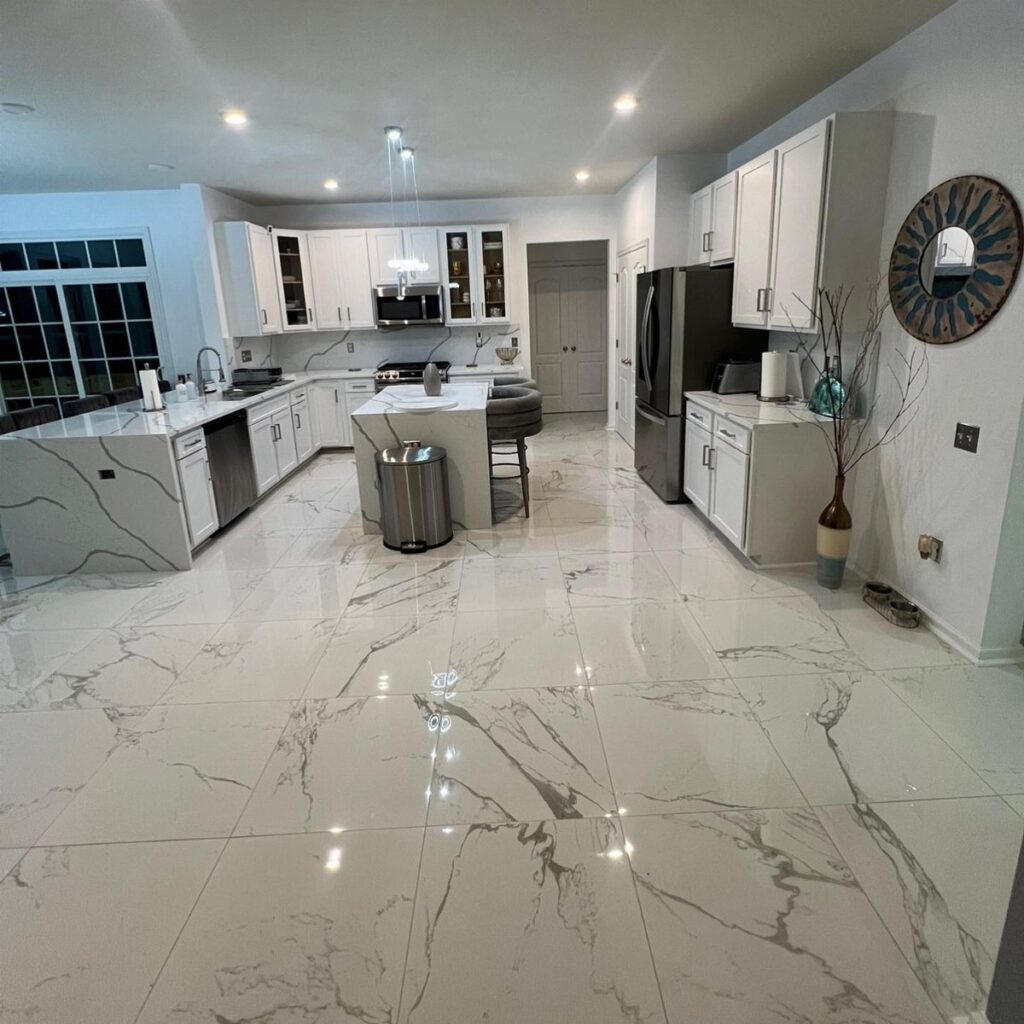
Kitchen floor tiles run from under a dollar a square foot for standard ceramic up to real terrazzo that needs structural worry, and the right choice depends on how much maintenance you actually want to do after the weekend install.
A kitchen with kids or a dog steers toward porcelain marble-look in large format rather than the real stone that etches where lemon juice hits.
Even within one style, the range is wide: the list below includes 0.75-inch glossy porcelain penny rounds like Apollo’s Cirkel line alongside large beige stone and dark grey herringbone.
1. Marble Natural Stone Kitchen Floor Tiles
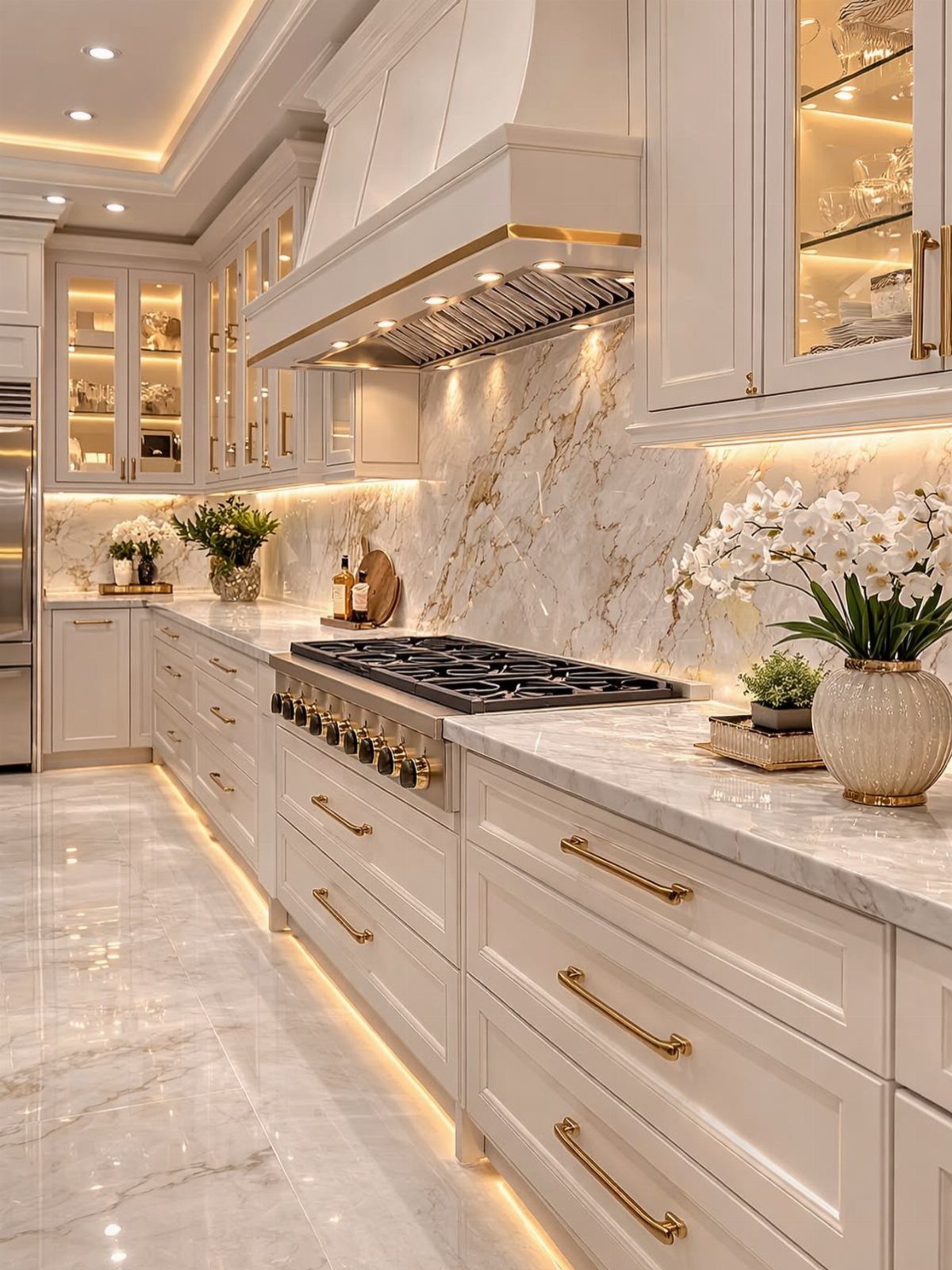
Polished marble floor tiles carry the same veining straight across the floor, up the backsplash, and onto the counter, so the whole kitchen reads as one continuous surface. That match is what makes the room feel built rather than decorated.
Real marble needs regular sealing and will etch where lemon juice hits; porcelain versions in large formats give the same grand look without the maintenance bill.
I’d pick the real thing only if someone else cleans it, or if the kitchen sees light use. For a house with kids or a dog, the porcelain marble-look tile is the smarter money.

Safe for All Natural Stone – Gently cleans marble, travertine, granite, slate, limestone, ceramic, and porcelain tile without damage or dulling the surface.
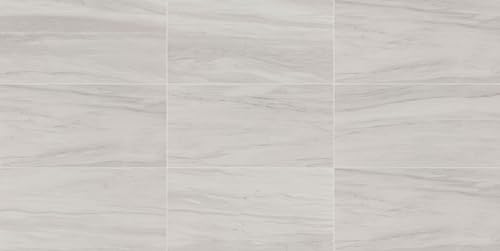
Capture the elegance of marble available in two colors

Maintains polish without stripping protective coating
2. Black and White Checkerboard Pattern
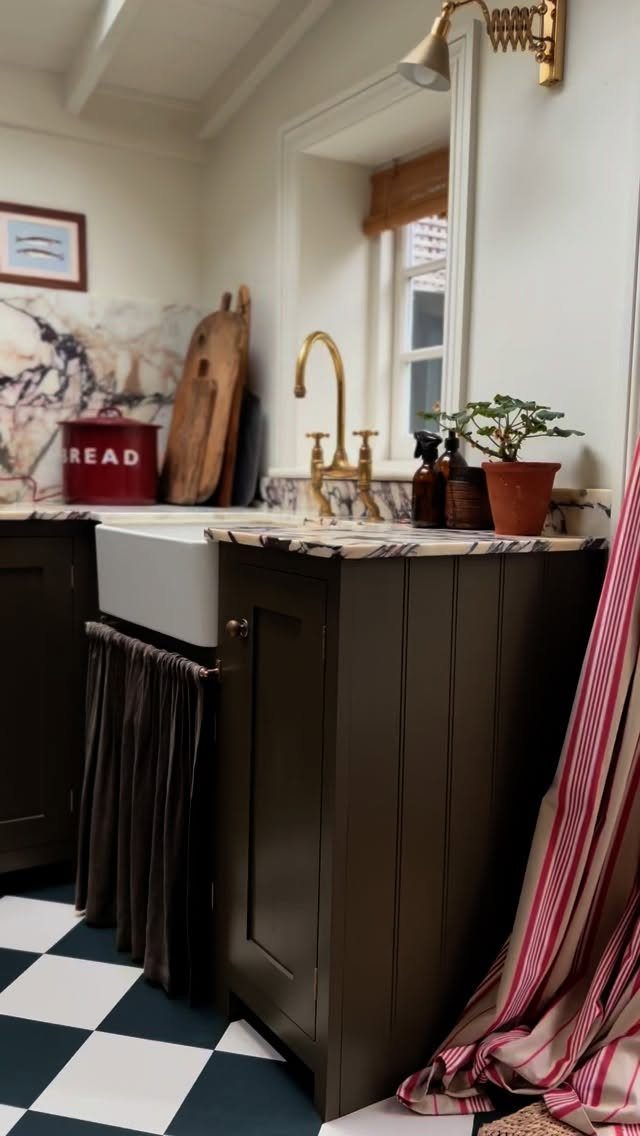
A checkerboard floor reads as classic in black and white, but the same grid in red and white, or green and cream, turns a kitchen into something closer to a cafe.
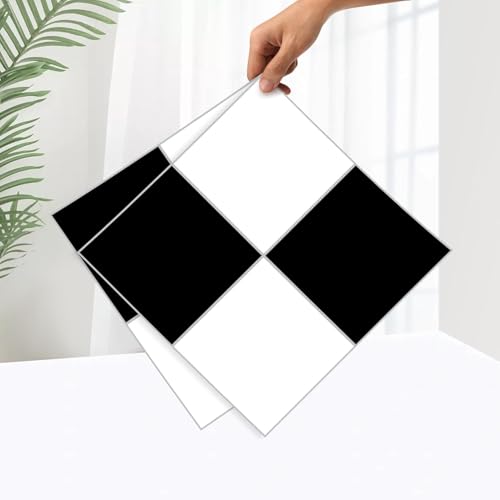
The pattern works at 12×12 inches for a traditional feel, or scaled up to 18×18 for a cleaner, more modern floor.
Laying the squares on the diagonal, so the points face the door, softens the rigidity and makes a narrow galley kitchen feel wider. Two-color marble-look tiles with gray veining hide the dirt that pure white shows fast.
This one suits a kitchen that already has enough plain surfaces and needs a single bold move.

STYLISH & FUNCTIONAL DESIGN: This Lazy Susan for table top features a striking black and white checkerboard pattern with a sturdy oak wooden base and iron frame, adding a touch of contemporary elegance to your dining table, kitchen island, or living space, or as an eye-catching home decor piece.

【𝐕𝐢𝐧𝐲𝐥 𝐟𝐥𝐨𝐨𝐫𝐢𝐧𝐠】:Each package contains 10 pcs peel and stick floor tiles, carefully proportioned with 5 black and 5 white tiles, all measuring 12 in by 12 in, With accurate dimensions that can be pieced together, ideal floor patterns can be easily created

MOSAIC CHECKERED WALLPAPER-Size:17.7” ×78.8” (9.7 Square Feet / Roll). Material: Vinyl / PVC Black and White peel and stick wallpaper
3. Ceramic Tile
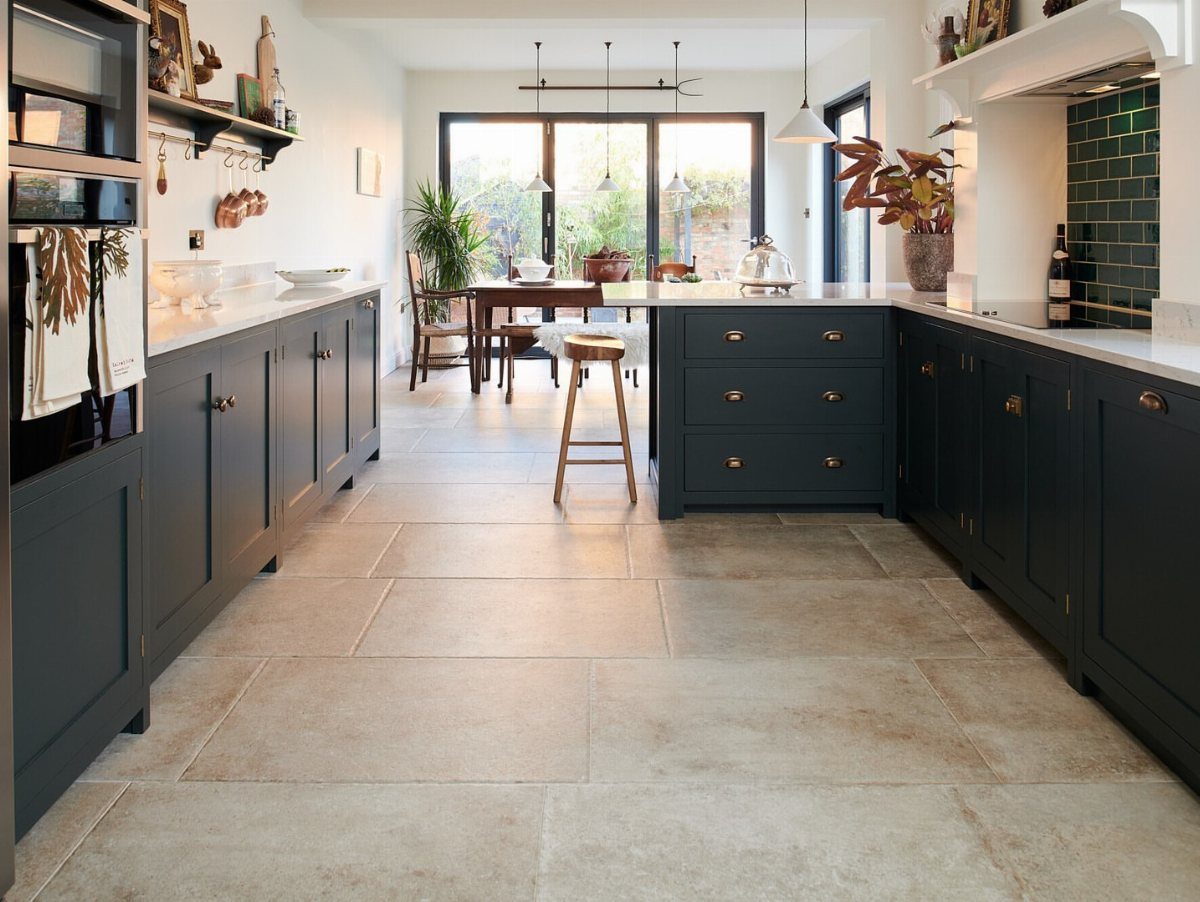
Ceramic tile covers most of the budget kitchen floors in America for solid reasons: it takes a dropped pot, cleans with any product, and runs from under a dollar a square foot up to about five for handmade looks.
Zellige tile, with its uneven edges and rippled glaze, brings in texture that flat factory tile cannot match; it costs more and needs a skilled installer, but the light catches every wave.
For a rental or a first home, standard ceramic in a stone-look finish gives the warmth of natural material without the sealing or the price.
Underfoot comfort is the weak spot; standing on ceramic for an hour of cooking calls for a gel mat at the sink.

DESIGNER COLLABORATION - CHRIS LOVES JULIA - A Grey and White Marble colorway; highlights the Bonneville design; with recognizable Chris Loves Julia collection details.

PREMIUM PEEL AND STICK TILES MADE IN NORTH AMERICA : Buy local from the market leader in self-adhesive wall tiles. At Smart Tiles, we offer a large selection of easy to install, high quality backsplash tile designs. Each pack of 5 tiles covers 2.03 Sq. Ft.

PREMIUM PEEL AND STICK TILES MADE IN NORTH AMERICA: Buy local from the market leader in self-adhesive wall tiles. At Smart Tiles, we offer a large selection of easy-to-install, high-quality backsplash tile designs. This 5-pack of tile sheets covers 2.75 sq ft.
4. Wood-look Tile
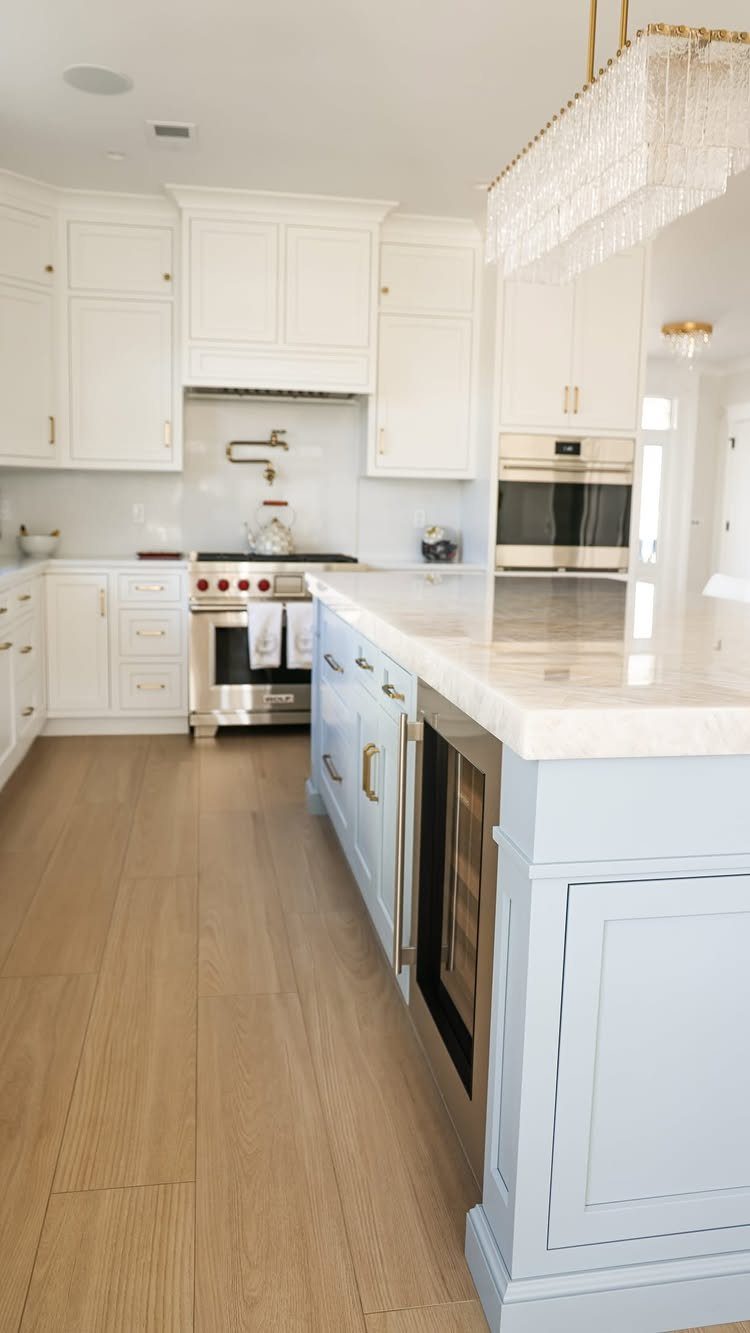
Wood-look tile solves the problem that real wood in a kitchen eventually becomes: swollen seams, cupped planks, and the panic when the dishwasher leaks.
Porcelain planks now come long enough to run the length of a room without the staggered joints that read fake, and the matte finishes no longer shine like plastic.
Ribbon tiles add actual three-dimensional grain for texture you can feel in bare feet; they cost more and need careful cleaning so grime does not settle in the grooves.
A warm gray wood-look plank suits a white kitchen that risks feeling sterile, while a honey tone works against navy or black cabinets.

Chic Design & Wood Texture - Classic herringbone pattern with realistic wood grain texture, combining classic charm with the rustic beauty of natural wood, add a touch of earthy warmth to your interiors.

Includes 12 Pieces per Case | 5.16 Square Ft. Per Case | Case Weight 34.8 lb |TILE SIZE: 8 in. W x 8 in. L x 0.55 in. T
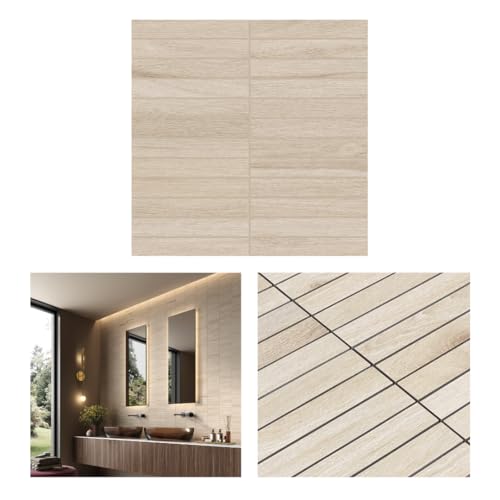
Premium Porcelain Mosaic Tile: Crafted from high-quality porcelain with a matte beige finish, delivering a stunning wood-look design that complements any home or office décor.
5. Terrazzo Tiles
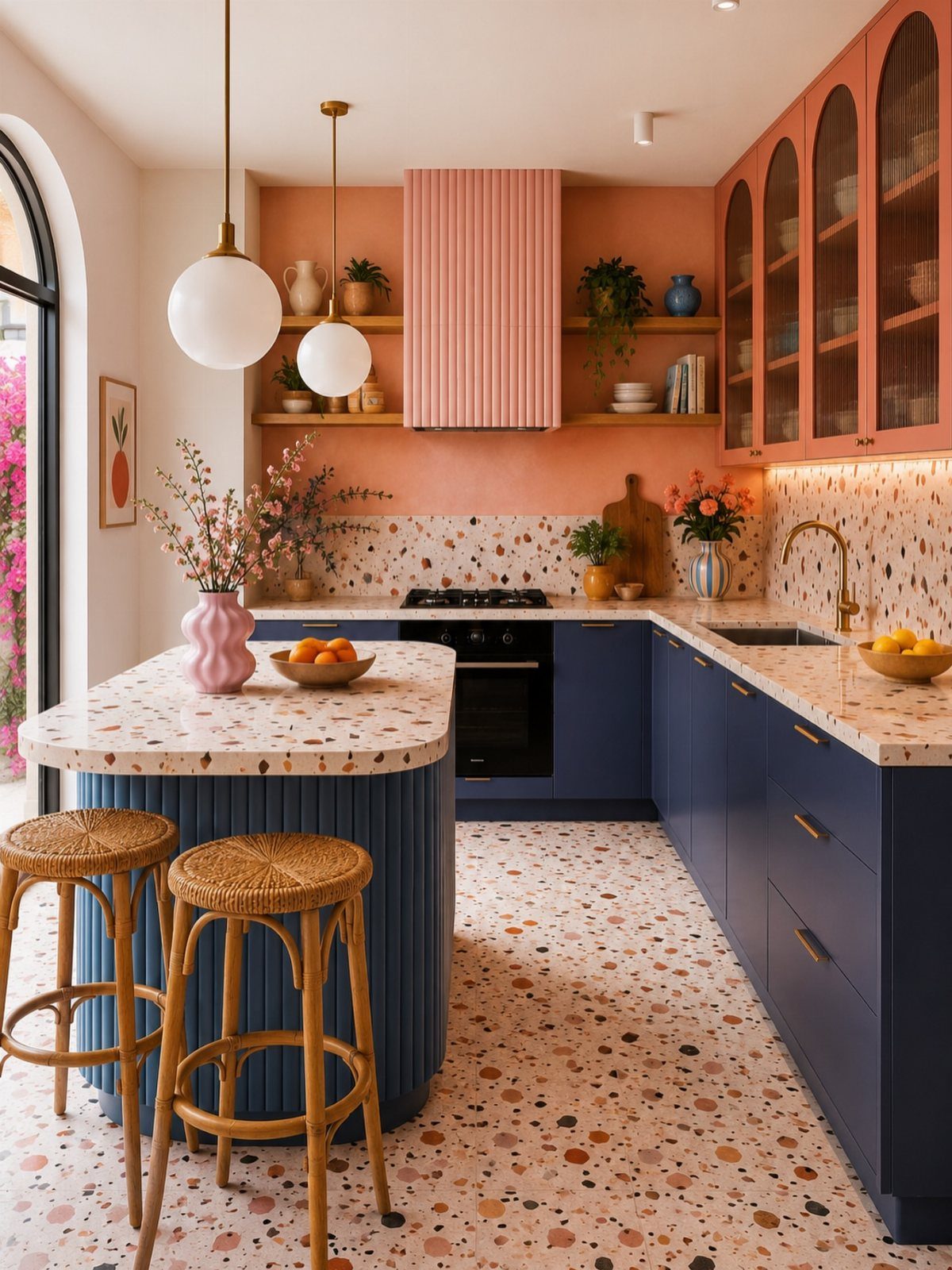
Terrazzo gathers marble chips, quartz fragments, and sometimes glass into a poured surface that looks like permanent confetti.
The real material is heavy, expensive, and cracks if the subfloor shifts; terrazzo-look porcelain carries the same speckled pattern with none of the structural worry.
A floor in this pattern wants simple cabinets and plain walls, because the tile already supplies the interest. Running the same terrazzo up the counters and backsplash for total saturation takes confidence and a good eye for color.
I’d limit it to the floor and one counter, or the room starts to feel like a single surface closing in.

Premium Quality Plank Porcelain Tile: 5"x24" premium quality plank porcelain tile with matte finish for floor and wall applications

Plank Porcelain Tile Dimensions: 6" x 24" plank porcelain tile suitable for kitchen backsplashes, walls, and floors

6. Terracotta Tiles
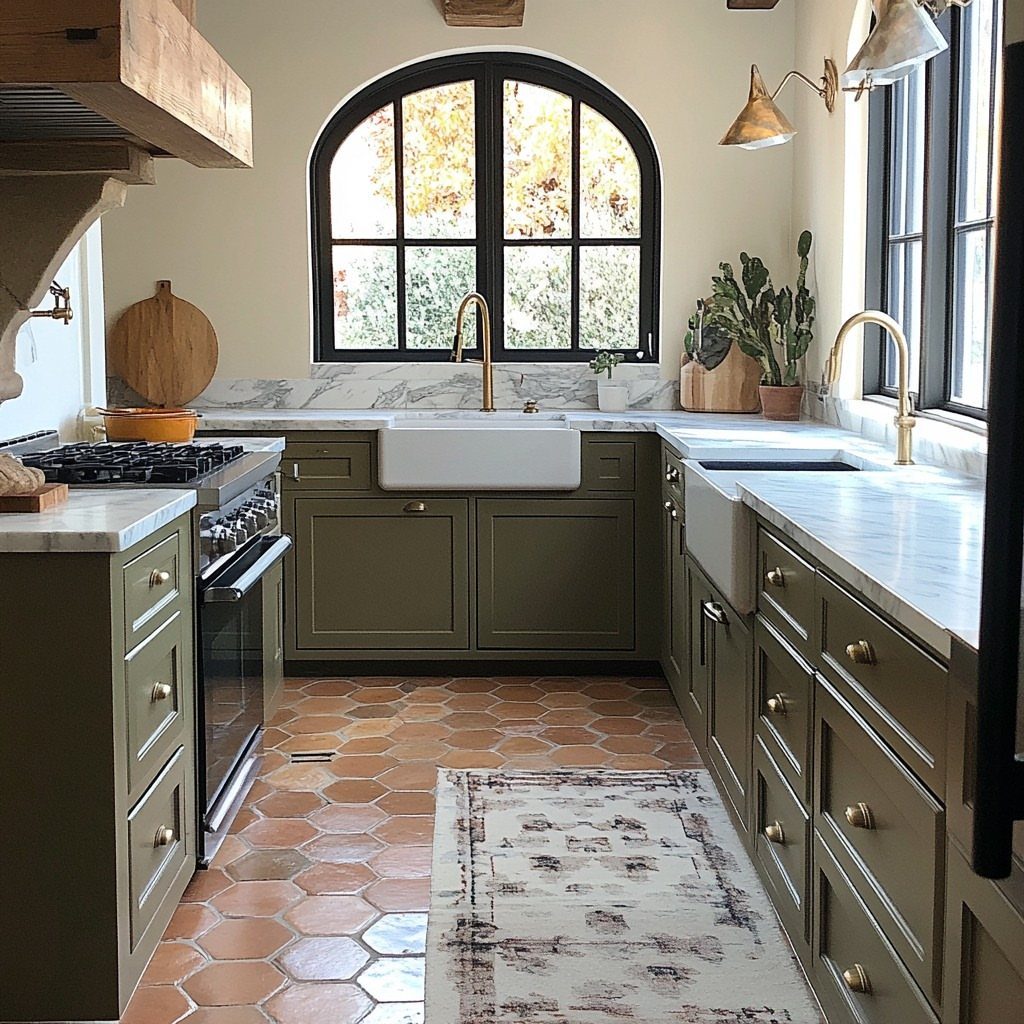
Hexagonal terracotta tiles warm a kitchen in a way that gray and white never will; the clay carries sunset color that softens under northern light and glows in afternoon sun.
Real terracotta is porous, so every spill sits in unless you seal it regularly; porcelain versions in the same hex shape give the Mediterranean look with the durability a kitchen floor actually needs.
Warm mauve-terra tone pairs with olive or sage cabinets better than it does with pure white, which can make the floor look dirty by comparison.
A patterned runner over the tile breaks the field and catches the real grit before it grinds into the glaze.

Elegant marble veining available in five timeless colors
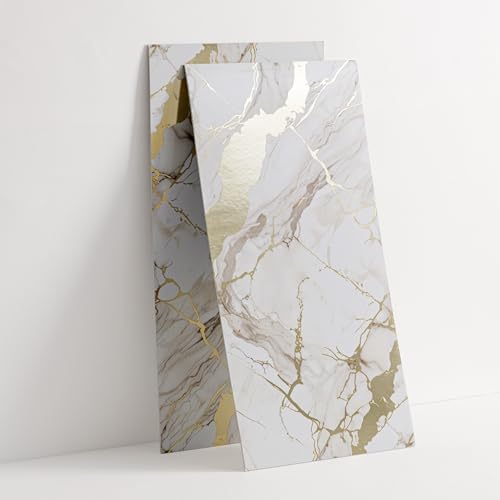
【Size】20 Pieces 23.6x11.8in (38.7 Sq. Ft. Coverage)

Luxurious Calacatta Marble Look – White-grey porcelain tile with elegant brownish-gold veins delivers timeless beauty and a high-end appearance for any space.
7. Penny Round Tiles
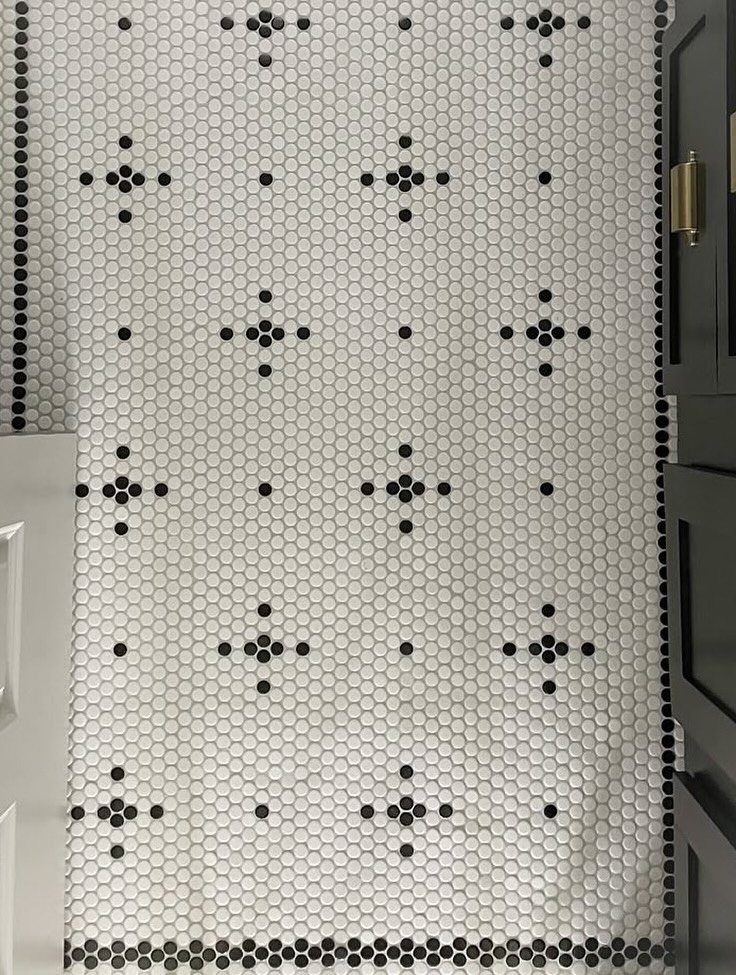
Penny round tiles turn a kitchen floor into something closer to a mosaic. The small circles let you build borders, florals, or simple repeats in a second color without hiring someone to lay intricate cuts.
I like them for renters who want personality they can take with them if they move, since a small kitchen needs only a few boxes and the work goes fast.
The sheets make spacing simple, though the grout lines multiply and need sealing more often than large formats.
A 0.75-inch glossy porcelain round, something like Apollo’s Cirkel line in orange or white, runs about the cost of mid-grade ceramic. More grout means more scrubbing, so keep that in mind before you commit.
I’d save this for a kitchen that sees light traffic or for someone who enjoys the maintenance rhythm.
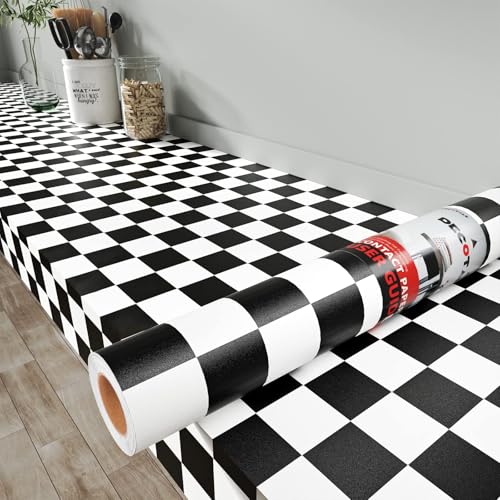
🏁 - 【Size】:1 roll = 12"(30cm) x 120"(3m)= 10 sq.ft.

Flannel Upper & TPR Sole:Soft flannel wraps your feet, thickened for winter warmth. Durable TPR sole delivers strong anti-slip traction, safe on wet floor; no cracking or glue separation for indoor & light outdoor use
【Easy Installation】 - Just peel and stick our self-adhesive wood vinyl flooring onto the original flooring or wall. It's easy to cut with scissors or a knife, requiring no power tools, prior experience, glue, or accessories.
8. Patterned Floor Tiles
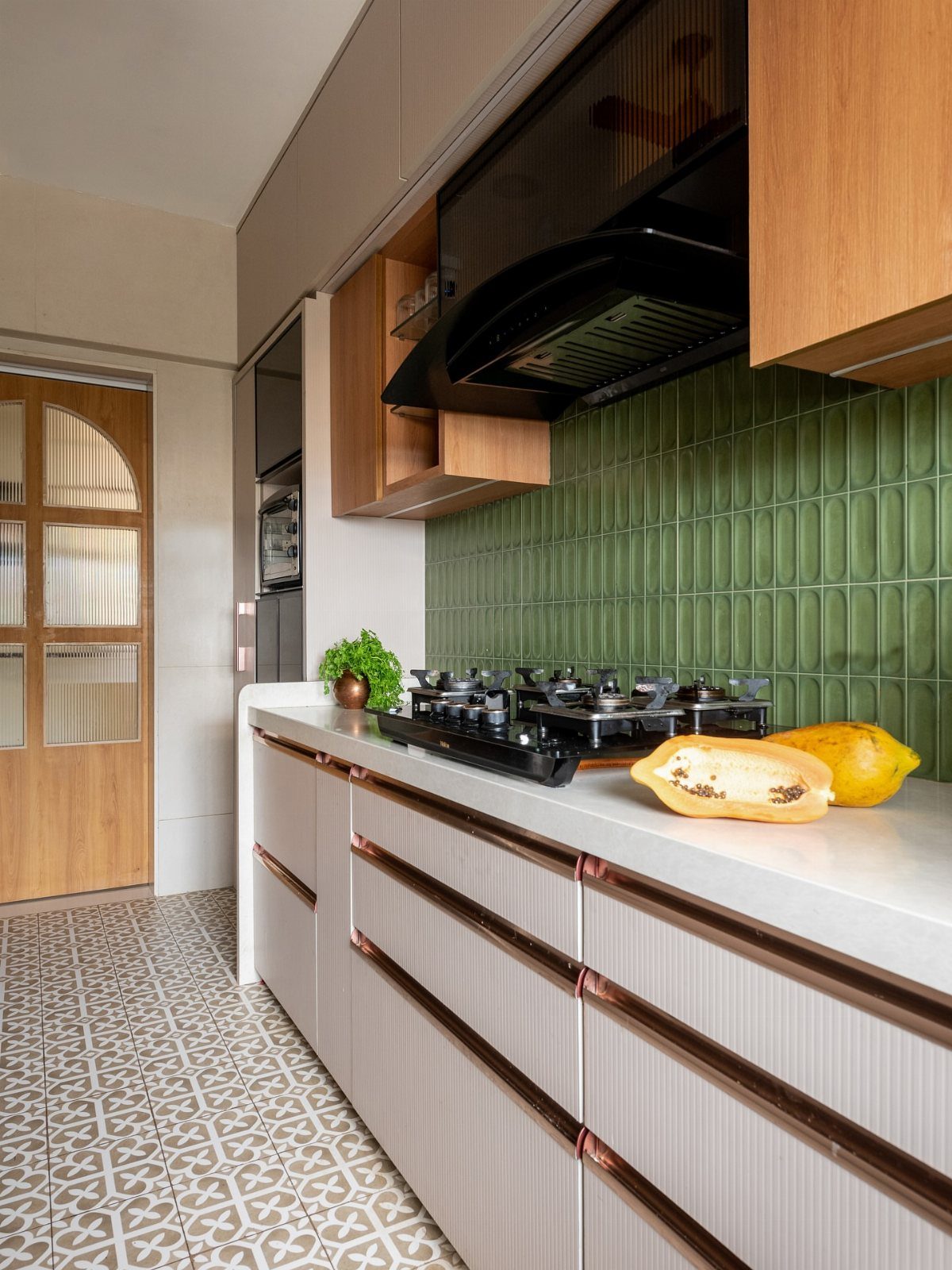
Patterned floor tiles work when the rest of the kitchen holds still. White cabinets and a single-color backsplash let the floor carry the visual weight without the room tipping into chaos.
The choice depends on the scale of the pattern and the size of the space. A busy print in a galley kitchen can feel like standing inside a gift box.
In an open plan, the same tile anchors the cooking area as its own zone.
I’d check the repeat size against the room dimensions before ordering. A pattern that fits three full repeats across the floor looks intentional; one that cuts off awkwardly reads as a mistake.
Samples laid out dry, not just held in hand, show the truth.

𝐏𝐫𝐞𝐦𝐢𝐮𝐦 𝐌𝐚𝐭𝐞𝐫𝐢𝐚𝐥𝐬:Made of PVC composite laminate, anti-scratch, high impact, color fadeless, more durable and stronger than other plastic self-adhesive tiles. Glossy/Poished surface finishing with realistic ceramic look, high waterproof and stain-resistant performance, protect the walls from splash and iol.

Nexus Vinyl Tiles: Refresh your home for a low cost and no hassle with the Nexus Vinyl Floor Tiles. Our tiles can be used in any room in your home including the kitchen, dining room, bedrooms, bathrooms, foyers, and basements. No messy glue or adhesives needed. Includes 20 vinyl tiles.

𝗧𝗶𝗹𝗲 𝗠𝗮𝘁𝗲𝗿𝗶𝗮𝗹 𝗮𝗻𝗱 𝗙𝗶𝗻𝗶𝘀𝗵: Red subway ceramic tile with a glossy finish that reflects light and brightens the room. Each piece is kiln-fired ceramic with a glazed face, so the surface is sealed against everyday splashes and wipes clean. Ceramic wall tile is lighter and easier to cut than porcelain, which makes it a practical choice for backsplashes and wall projects.
9. Large Beige Stone Floor Tiles
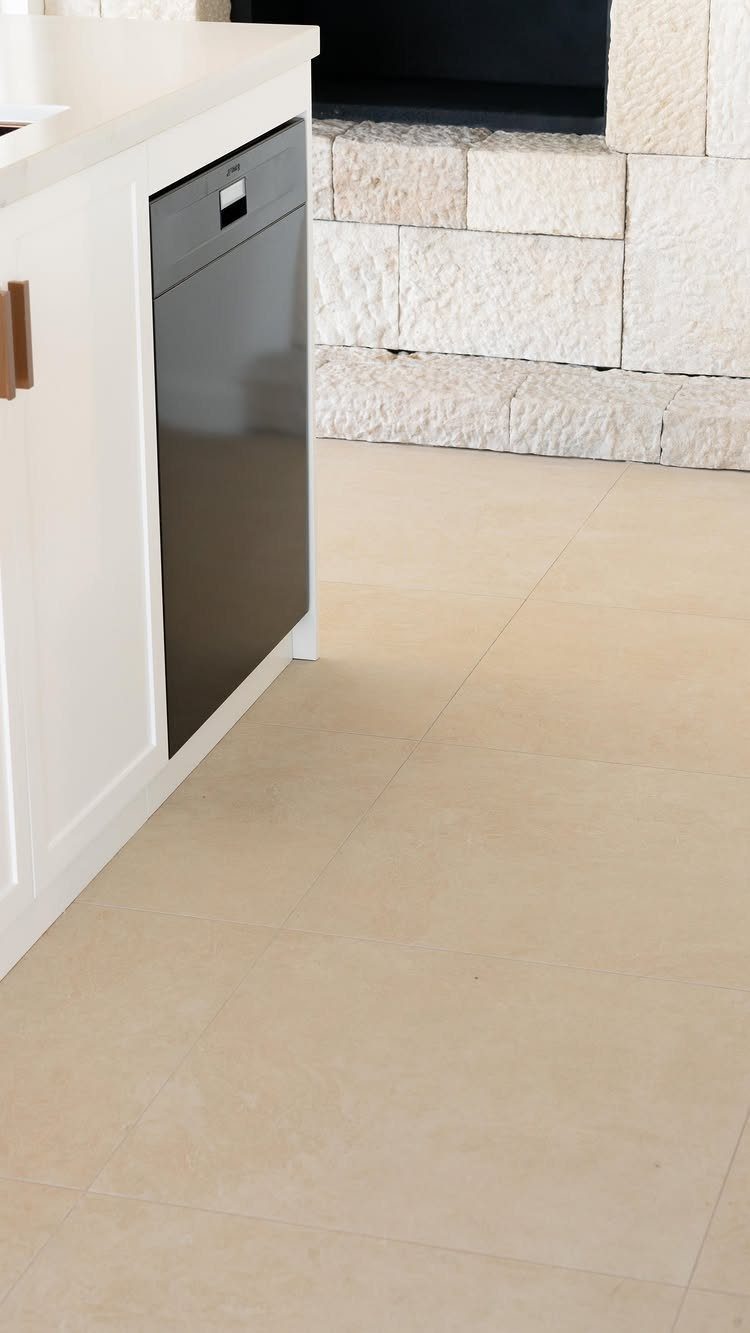
Large beige stone tiles suit a kitchen that wants to feel settled and warm without going rustic. The format keeps grout joints minimal, which means less to clean and a surface that reads almost as continuous stone.
Natural stone runs expensive and needs sealing. Porcelain that emulates slate or limestone gives the same visual warmth with less upkeep, and the large format carries that calm grid the eye needs in a busy room.
I’d use this in a kitchen with white or pale cabinets where the floor needs to add texture without adding color drama.
Polished stone or porcelain can be slick when wet, so a honed finish matters more here than the exact shade of beige.

𝗧𝗶𝗹𝗲 𝗠𝗮𝘁𝗲𝗿𝗶𝗮𝗹 𝗮𝗻𝗱 𝗙𝗶𝗻𝗶𝘀𝗵: Pink subway ceramic tile with a glossy finish that reflects light and brightens the room. Each piece is kiln-fired ceramic with a glazed face, so the surface is sealed against everyday splashes and wipes clean. Ceramic wall tile is lighter and easier to cut than porcelain, which makes it a practical choice for backsplashes and wall projects.

Coverage Math: Box of 10 pieces = 1.25 sq ft — plan feature walls and borders with the simple box equation.

Elegant Design: 11 x 12-inch hexagon porcelain mosaic tile with a polished, high-gloss finish in rich blue, creating a stylish stone look.
10. Polished Light Floor Tiles
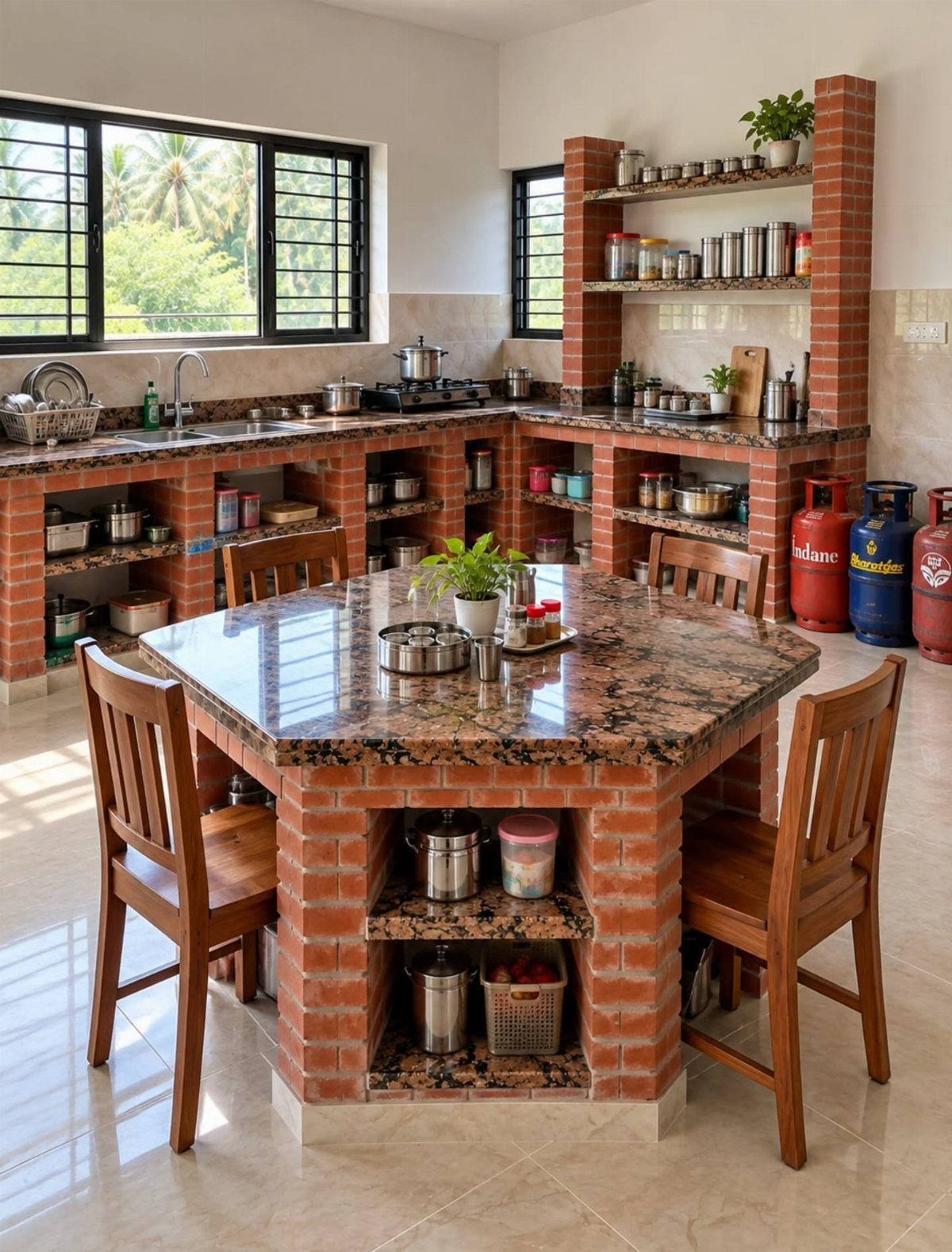
Polished light tiles bounce daylight around a kitchen that might otherwise need more fixtures. In a room with windows on one wall, the reflection helps even out the illumination without wiring changes.
The surface shows everything: footprints, splatter, crumbs. I think of this as a floor for someone who cleans as they cook, not for the weekend batch-cook who leaves the mess until Monday.
The polish also raises the slip question, especially near the sink.
Granite or quartz counters in a mid-tone brown play against the light floor without the high-contrast look that dates faster. I’d test the tile gloss level in person, holding it at floor angle, not vertical.
What reads as subtle sheen on the rack can glare under kitchen cans.

Coverage and Packaging: 10.88 square feet, 16 pieces per case; Case weight is 45.76 lbs

Combines a timeless style and an enhanced color palette

Combines a timeless style and an enhanced color palette
11. Dark Grey Herringbone Floor Tiles
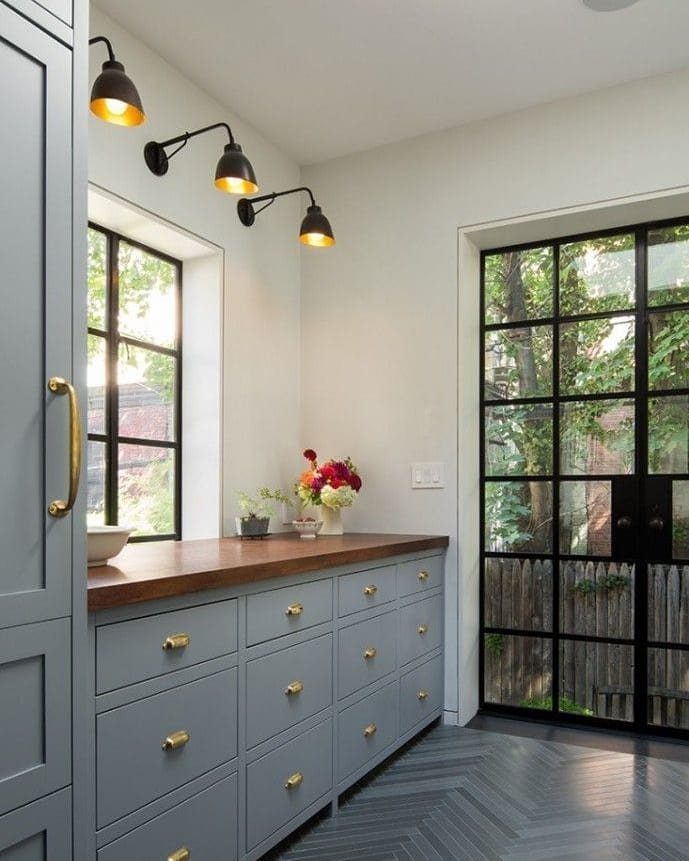
Dark grey herringbone brings direction and movement to a floor that might otherwise feel like a parking slab.
The angled layout draws the eye through the room, useful in a long galley that needs visual shortening or a square room that wants energy.
Wood-look porcelain in this pattern gives the warmth of oak beams without the maintenance of actual wood in a spill zone. The cuts multiply, so waste runs higher than a straight lay.
I’d order extra overage instead of the usual amount, and I’d want a setter who’s done herringbone before. The pattern forgives nothing in alignment.
This suits a kitchen with some architectural character already: exposed beams, interesting hardware, a mix of materials. In a plain box of a room, the floor can feel like it’s trying too hard.
12. Tiles with Diamond Accents
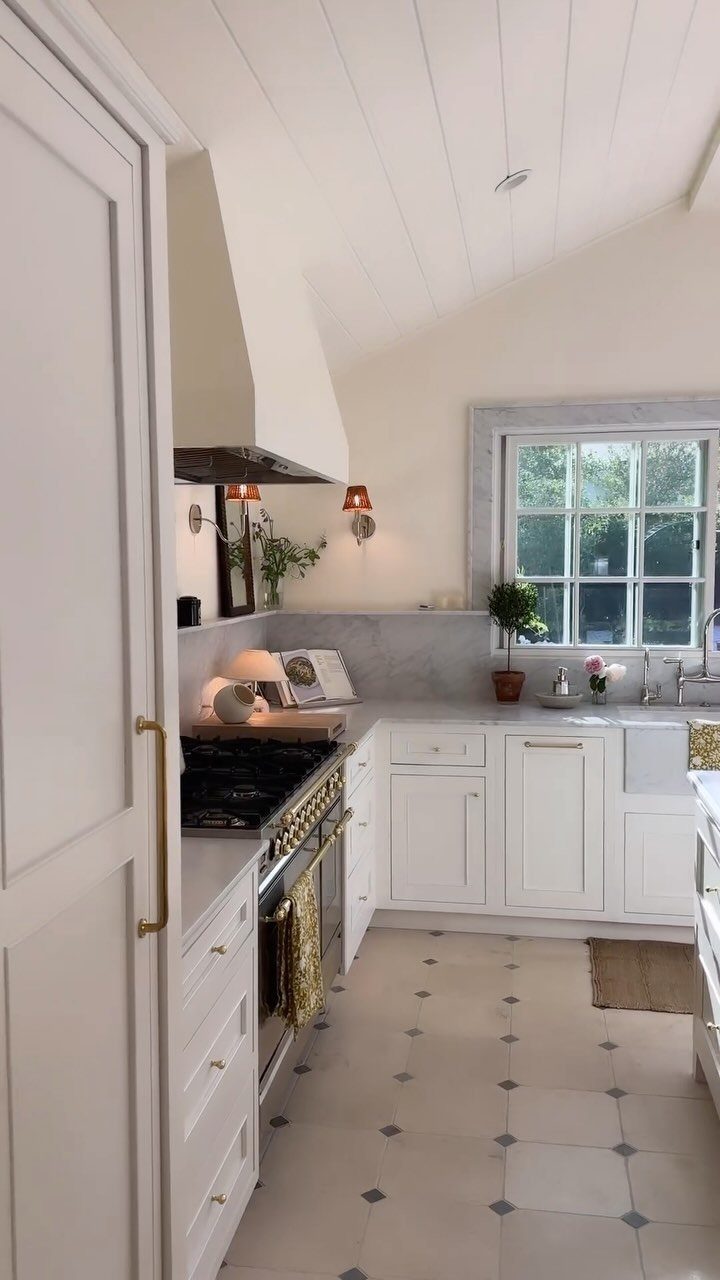
Small diamond insets at tile corners give a quiet rhythm without demanding the full attention of a patterned floor. The dark accents against light stone read as shadow and geometry, something between plain and ornate.
The layout matters. Insets at every corner of every tile can turn busy fast.
This fits a white kitchen that needs one traditional element to keep it from feeling too clinical.
I’d budget for that or learn to cut the diamonds myself, which is possible with a wet saw and patience, though not what I’d choose for my first tile project.
13. Parquet and Patterned Tile Combination
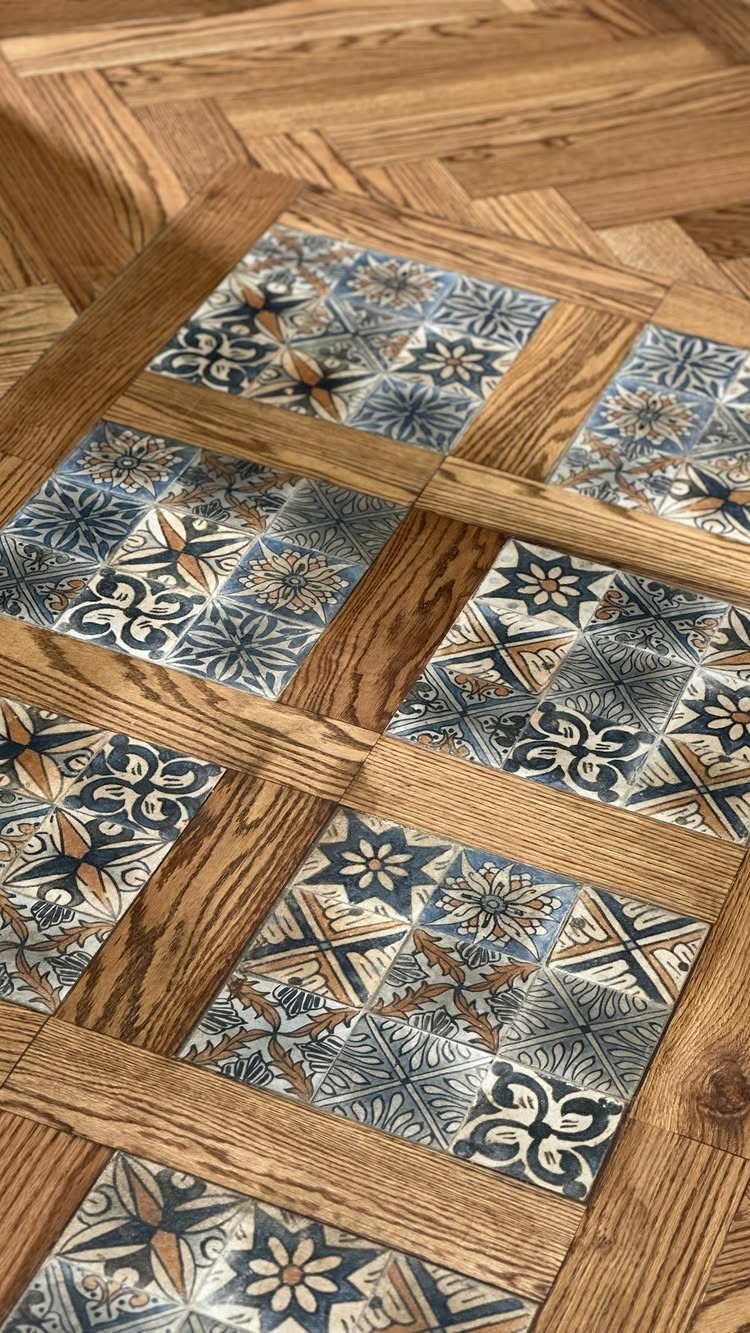
Wood herringbone and hand-painted tile in one floor sounds like a splurge, but it works if you keep each material to its own zone.
Parquet handles the main traffic paths while patterned squares sit as a border or inset near the cabinets, where you stand still long enough for the pattern to register.
I would lay the wood first, dry-fit the tile grid to mark cuts, then set the tile in thinset with a grout line that matches the wood seam width so the transition reads intentional, not patched-in.
The tile needs to sit flush; any lip catches mop strings and bare feet.
This suits a galley or L-shaped kitchen where the work triangle can anchor the tile zone and the paths take the wood. A single open floor plan fights the mix; the eye wants one material to win.
Choosing the Right Tile
Durability, maintenance, and style all pull in different directions, so the choice is always a tradeoff. Stone-look and marble-look porcelain give the refined foundation that natural stone promises without the sealing schedule or the etch anxiety.
I would match the tile to the kitchen’s actual life, not its Pinterest life. A dog, kids, or a cook who drops pots means porcelain over real marble, matte over polished, large format over penny rounds that multiply grout lines.
The look means nothing if you are sealing or scrubbing every weekend.
Maintenance Tips
pH-neutral cleaner is the only kind that preserves both the tile glaze and the grout color. Acidic products, even the "natural" ones with lemon or vinegar, etch marble and degrade grout over time.
Alkaline degreasers strip the sealer off stone-look porcelain and leave it porous.
Grout needs the most attention. The lines between tiles collect grease and darken in a kitchen faster than in any other room.
A soft brush and the right cleaner every few weeks prevents the buildup that later needs harsh treatment.
Sealing grout on a schedule that matches how hard you cook keeps it from becoming a stain map of every spill since move-in.
Color Trends
Earth tones still dominate what people actually buy: greys, beiges, and muted blues that bridge modern farmhouse and the plainer urban kitchens. Stone-inspired designs in large formats carry the same calm palette.
Matte finishes have overtaken polished in new installations. They hide the water spots and footprints that glossy tiles broadcast, and they add slip resistance near the sink where it matters.
Bold color and high-contrast black and white show up in photos and in small doses, but the floor that has to live with cabinets for the long haul tends toward the quieter tones.
Installation Patterns
The pattern changes how the room feels without changing the material cost much. Herringbone draws the eye through a long galley and adds energy to a square box, but the cuts waste more tile and the alignment forgives nothing.
A setter who has done herringbone before is worth finding.
Checkerboard works on the square or on the diagonal. Subway and basketweave stay current without dating, and honeycomb gives the same geometric interest as penny rounds with cleaner grout lines.
I would lay samples dry on the actual floor, not hold them vertical in the store.
Frequently Asked Questions
What type of floor tile is best for a kitchen?
Porcelain tile is the most practical choice for most kitchens. It resists water, stands up to dropped pots, and cleans with any product you already own.
Ceramic works for tighter budgets, though it needs a gel mat if you stand at the sink for long stretches.
What are the trends for kitchen flooring in 2026?
Natural textures and neutral palettes are still leading, with stone-look and wood-look porcelain dominating.
Larger formats continue to replace small tiles for fewer grout lines, and matte finishes are preferred over polished for both slip resistance and the softer look they give under kitchen lighting.