
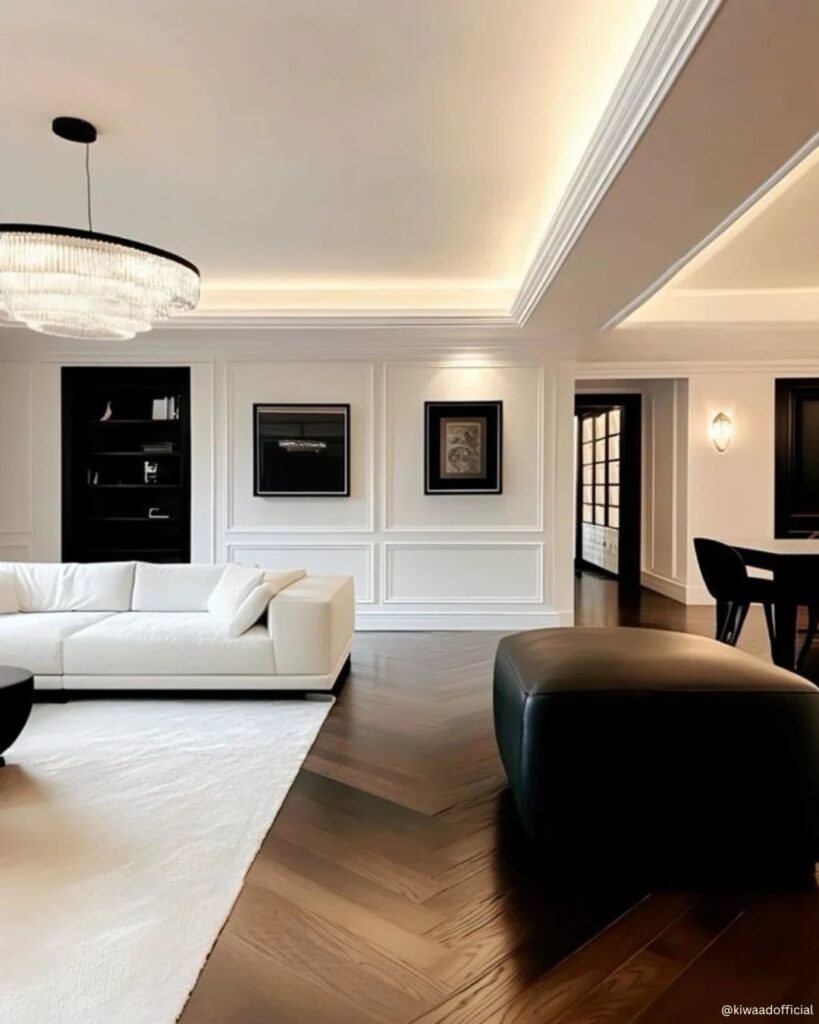
Warm tone flooring covers a real spread, from rental-grade laminate you can haul home in a sedan to site-finished hardwood that asks for upkeep long after the install is done.
What actually matters is how long you plan to stay and whether the surface can take a refinish when the color starts to drift.
1. Golden Oak Warm Tone Flooring
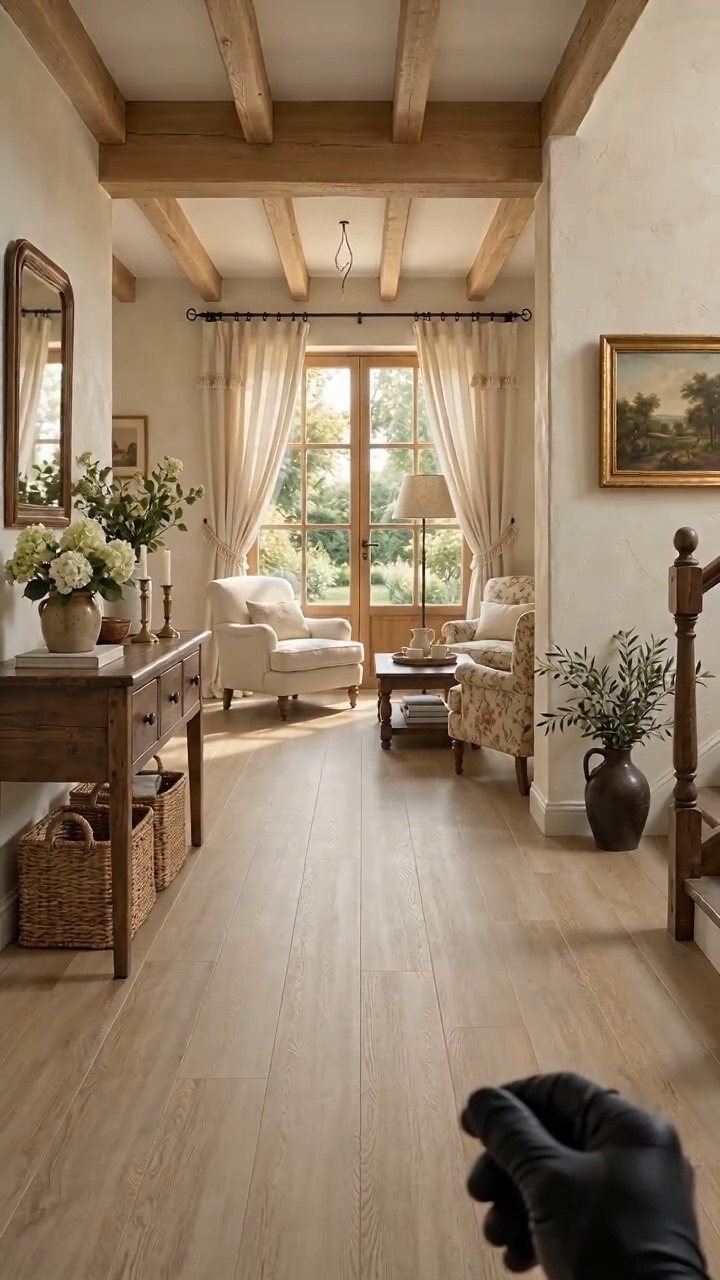
Golden oak sits right where warm tones should: clear and honeyed, not muddy. I always check planks against something white in daylight; if they flush orange, that is the 1970s palette creeping back in, and I keep looking.
This tone works best if your walls run creamy or warm white, and if you layer in rattan, leather, or wool textures.
It makes open rooms feel smaller and cozier, which is the point in a loft or a place with too much echo.
Farmhouse, rustic, traditional, or boho spaces take it naturally. Cool gray walls fight it, so commit to the warmth or pick a different floor.
2. Hardwood Warm Tone Flooring
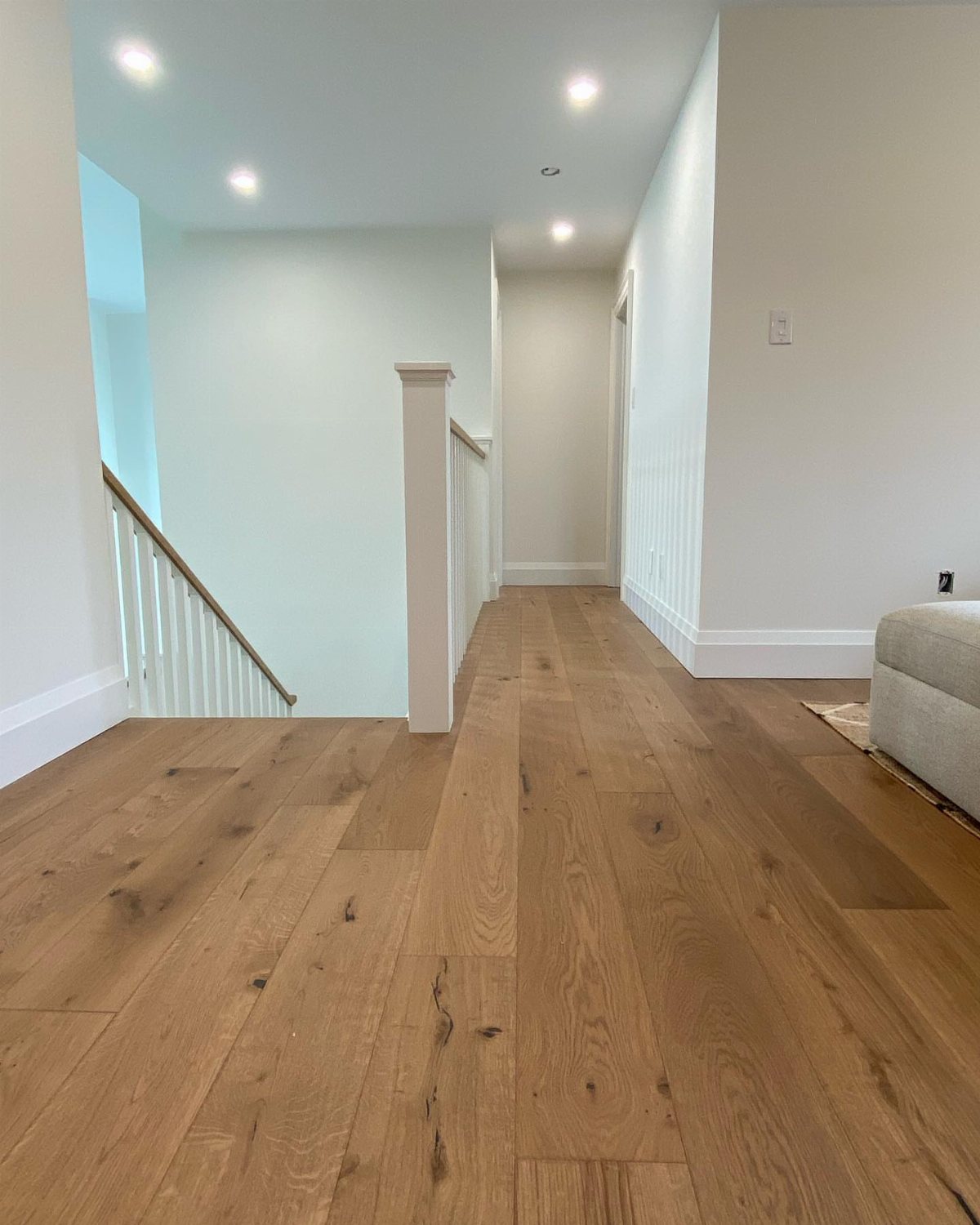
Hardwood carries warmth through the grain itself, not just the stain. Wide planks show more of that movement, and I find they hide dust better than narrow strips.
You can get warm tones in laminate, luxury vinyl, or tile too, each with different upkeep and price points. Hardwood costs more upfront but refinishes when you want a change; the others lock you into the color you choose.
I would go hardwood if I planned to stay put, and vinyl if I needed the look this weekend with a rental deposit in mind.
3. Warm Wood Floors
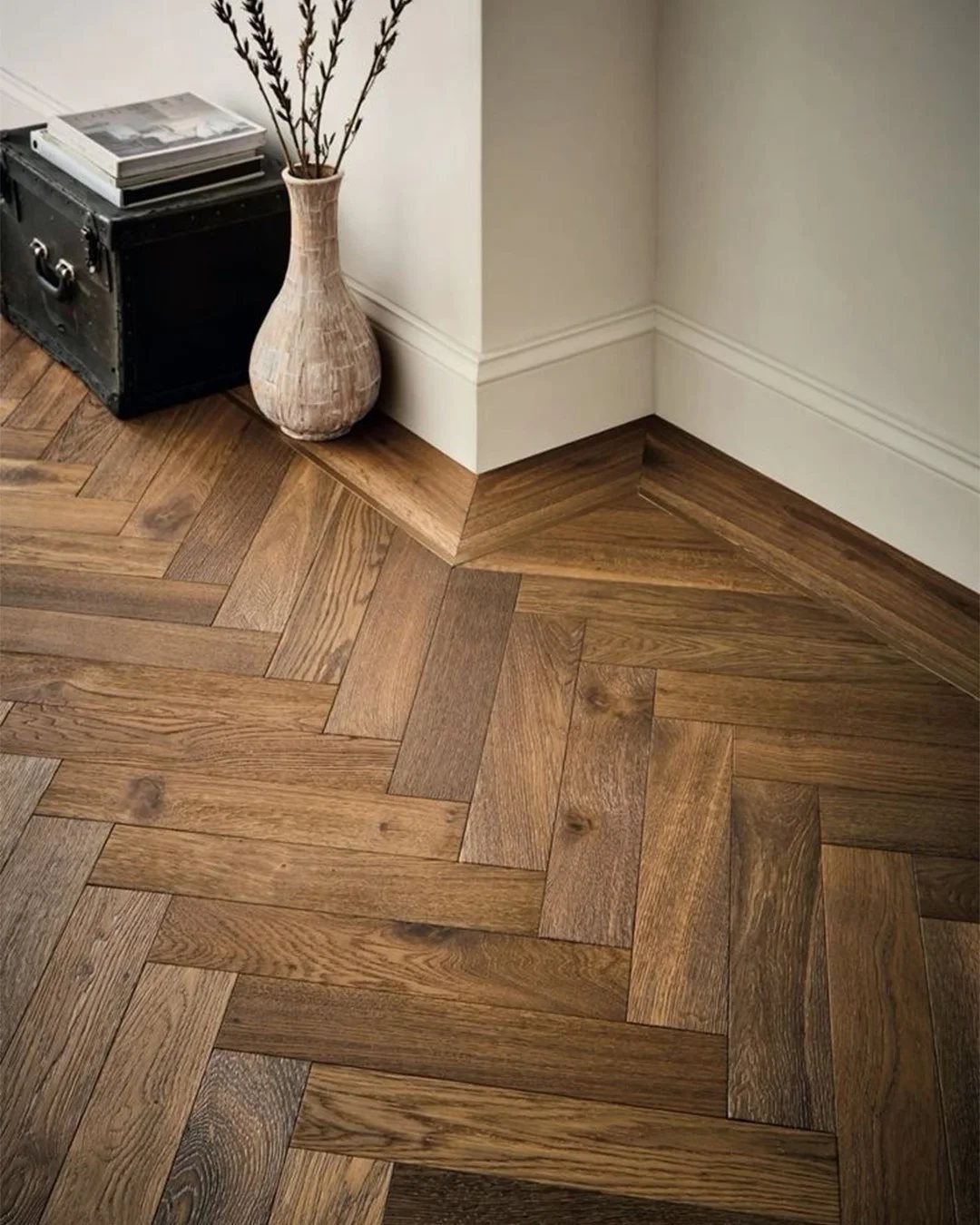
Herringbone oak reads formal without trying too hard, and a warm brown keeps it livable. I have seen this pattern in entryways that get heavy traffic, and the angled cuts actually wear more evenly than straight planks.
Laminate and luxury vinyl versions handle the same pattern with less fuss; swiffering beats refinishing when you are cleaning up after kids or dogs. Choose a construction with enough thickness that the pattern does not look printed flat.
Best for someone who wants the look of old Parisian apartments without the old Parisian maintenance bill.
4. Warm Natural Oak Floor
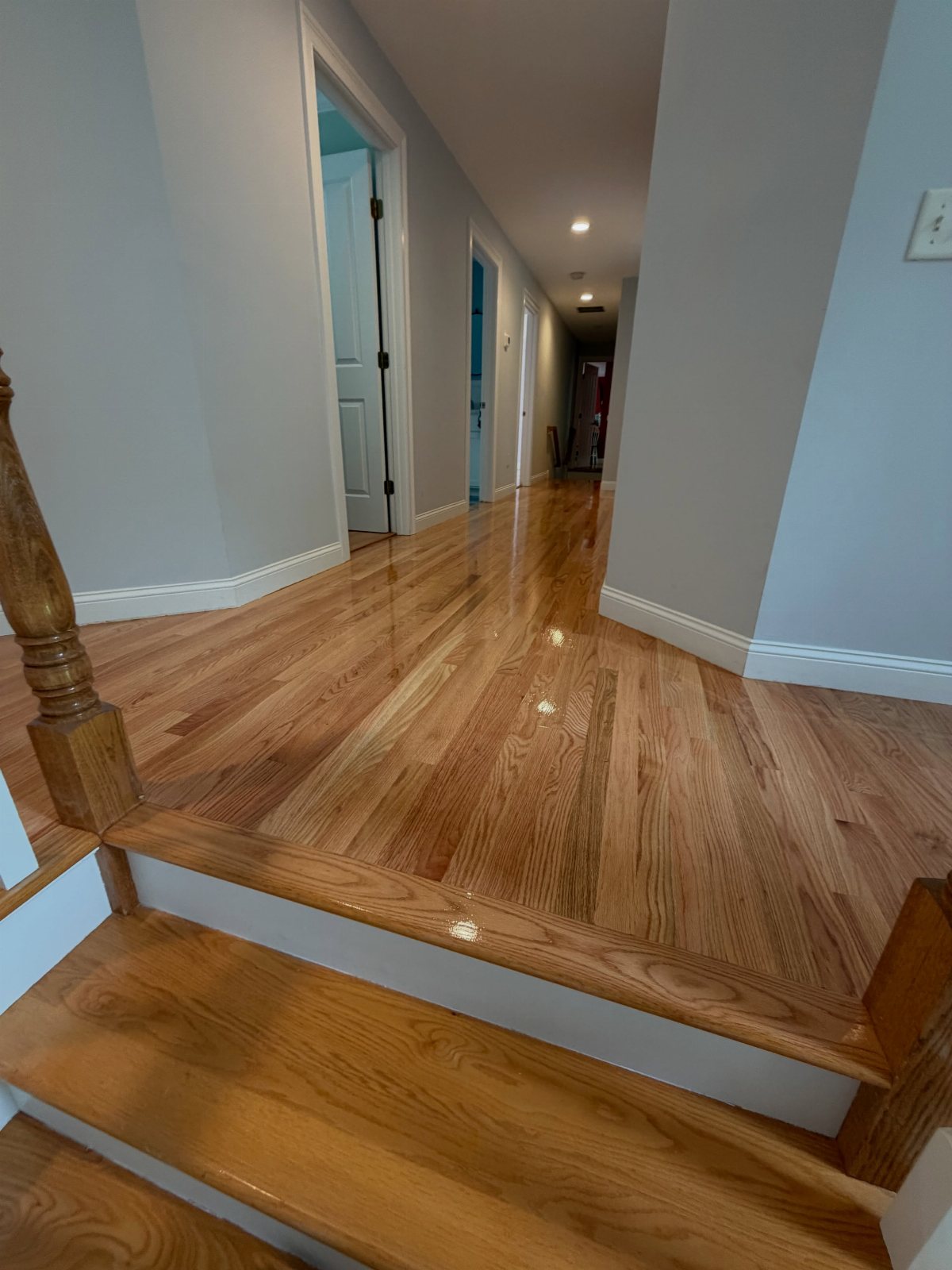
Natural oak can shift on you. I once laid samples in a hallway that looked warm by afternoon sun and flat gray by evening, all because the wall color pulled different undertones.
A glossy finish bounces light around, which helps the warmth read consistently.
Take samples home. View them in your actual daylight and your actual lamps; the store lighting is lying to you.
Brown undertones can hide inside a gray-looking plank, and you will only catch it late in the day when the paint is already ordered.
This is the choice when you want flexibility, since oak takes stain later if you misread the first time.
5. Oatmeal Carpet
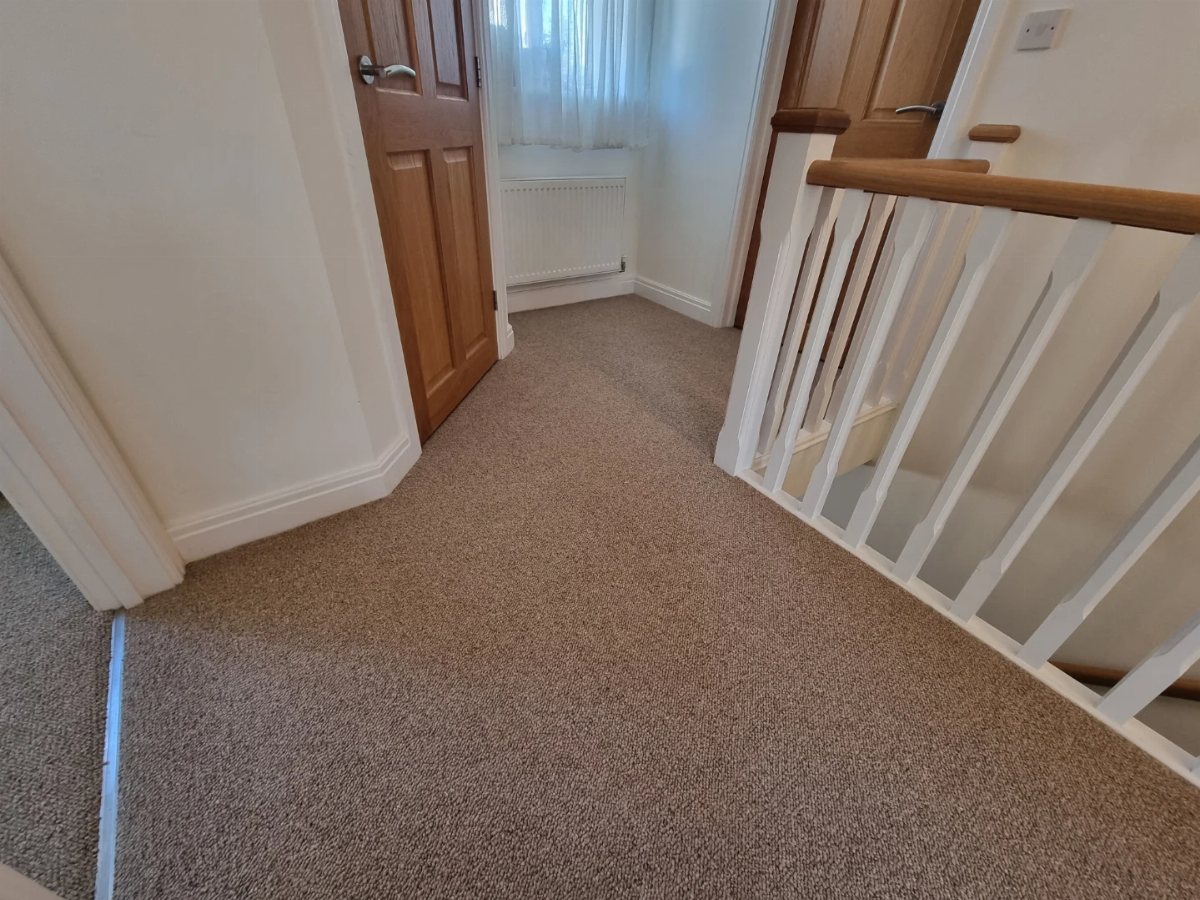
Wall-to-wall oatmeal carpet softens upstairs spaces where hardwood feels cold under bare feet. The shade bridges warm floors and cool walls without forcing either to win, and in a hallway it quiets footsteps you would otherwise hear through the ceiling.
Wool gives richness and insulation; solution-dyed nylon survives kids and pets. Loop constructions and cut-and-loop patterns add depth that keeps the neutral from reading flat, which I think matters more than the exact shade.
I would put this in bedrooms and leave the public floors hard. The cost runs lower than site-finished hardwood, and you can replace a section if the stain does not lift.
6. Reddish Brown Hardwood Flooring
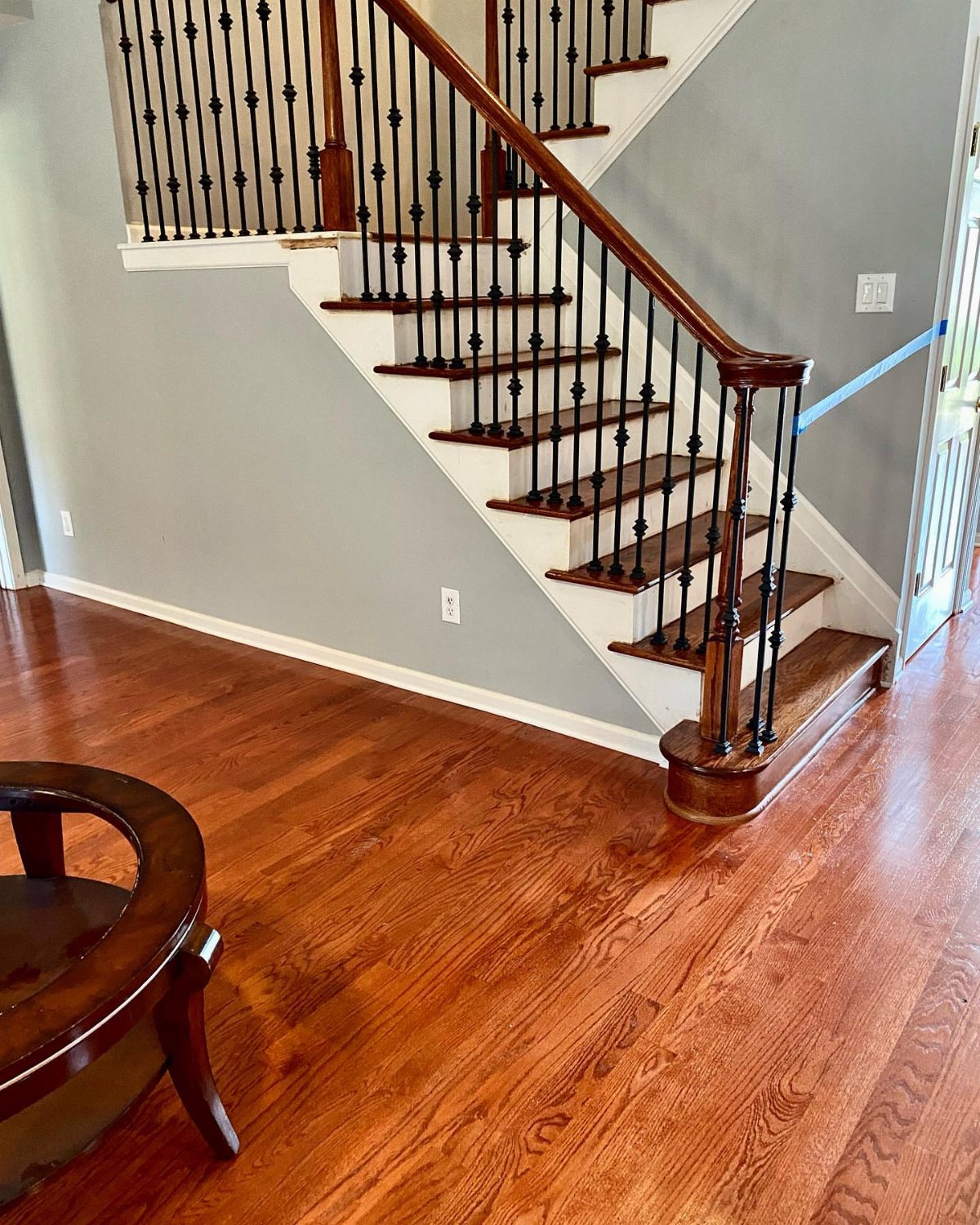
Reddish brown reads richer than golden oak, closer to chestnut or terracotta. Polished planks catch light like furniture, which means they need the same care: felt pads, prompt spill cleanup, and a tolerance for patina.
This is the deepest tone on the warm spectrum before you hit the orange-heavy 1970s palette I avoid. Check undertones against white in daylight; if the sample flushes rust, keep looking.
The right plank stays clear and nut-brown.
Best in traditional or formal spaces where you want the floor to anchor everything else. Dust and scratches show faster than on mid-tone wood, so budget for a refinishing cycle every decade or so.
7. Dark Warm Wood Plank Flooring
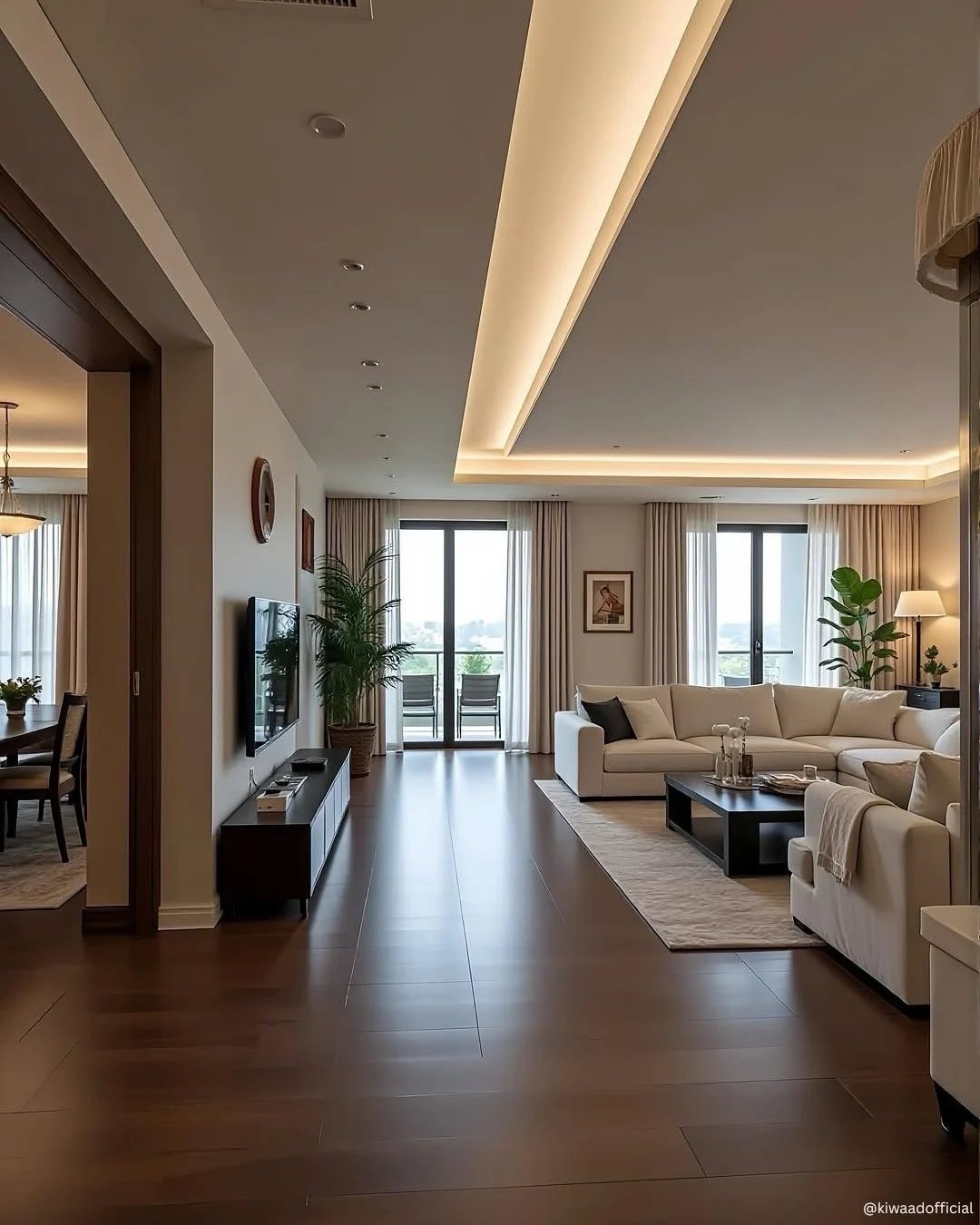
Dark warm wood plank flooring reads almost black in some light and chestnut in others, which makes it forgiving with daily dust and pet hair.
Running planks the length of the room keeps dark flooring from chopping the space up; if your living area opens to a balcony, that same direction draws the eye outward and keeps the floor from feeling like a cave.
I’d reserve this for rooms that get solid afternoon sun or have white walls and pale upholstery to balance it out. In a dim space with warm painted walls, the whole room can turn muddy fast.
8. Beige Marble Tile Flooring
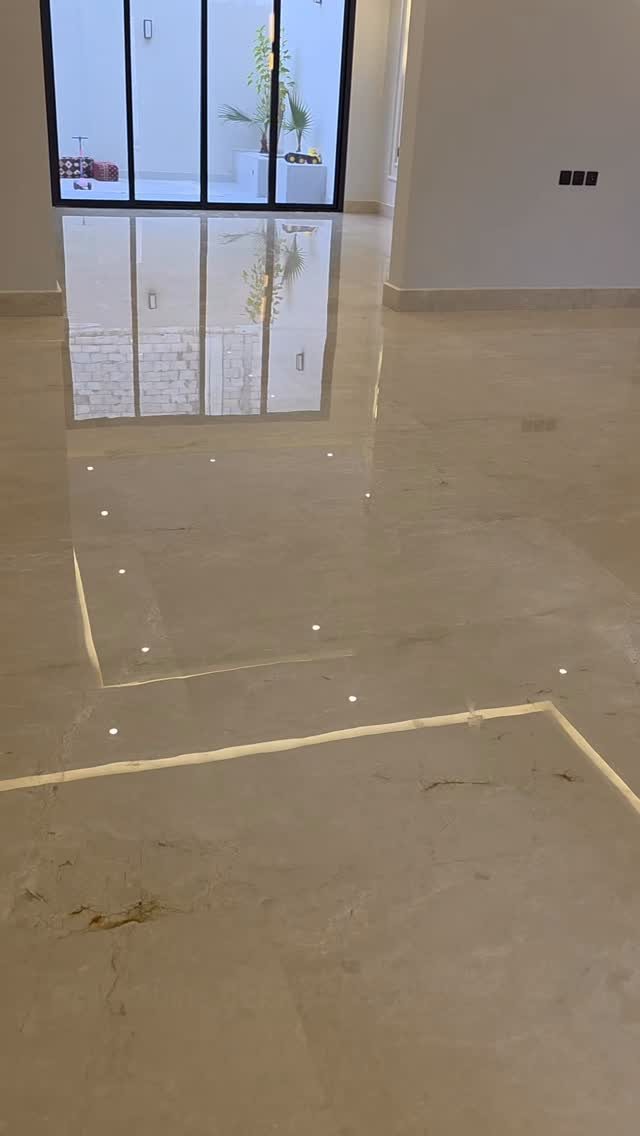
Beige marble tile with warm veining gives you the coolness of stone without the clinical edge that grey-based whites bring in.
A polished surface reflects light upward, which helps a windowless powder room or a north-facing entryway feel larger than it is.
Matte or satin glazes are the practical move if you have kids or hard water; polished marble shows every water spot and etch mark within a month.
For the warm tone to read correctly, pair it with brass or oil-rubbed bronze hardware rather than chrome, which pulls the eye back toward cool.
9. Light Warm Laminate Flooring
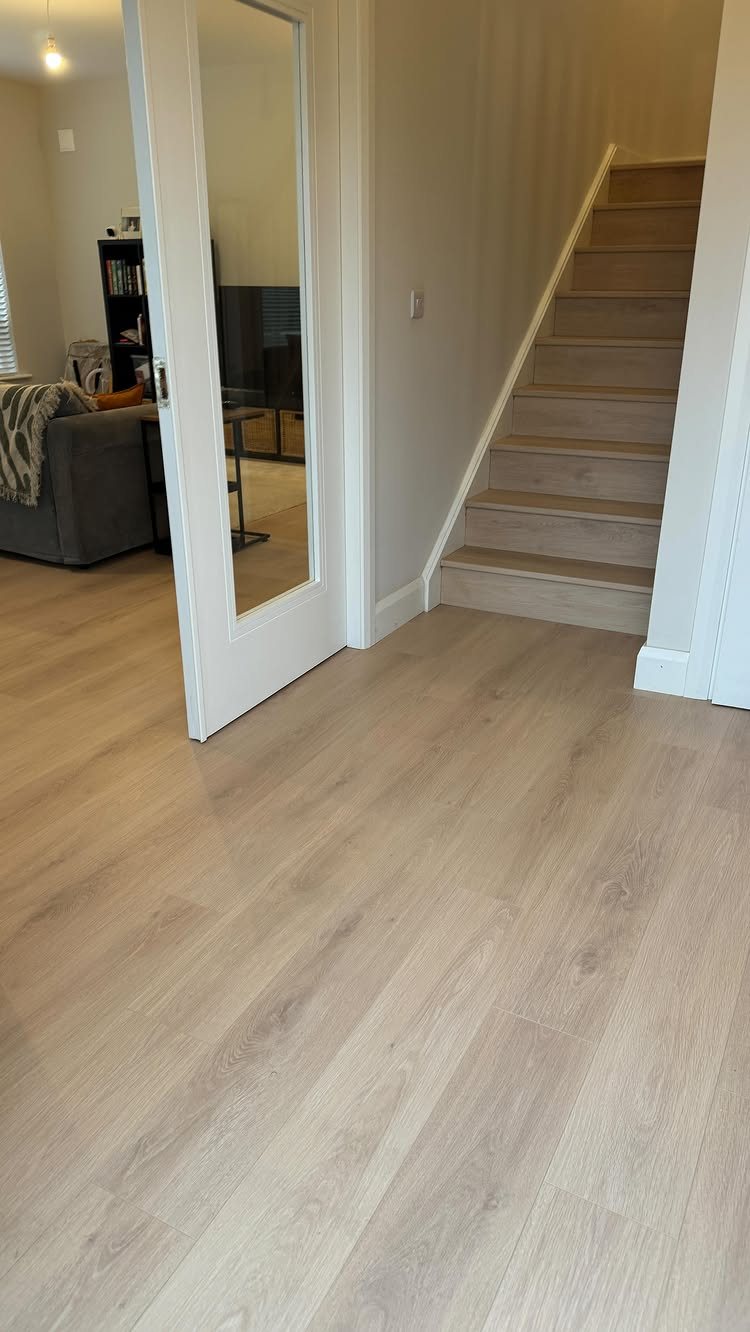
Light warm laminate is the entry point for renters who want wood tones without the wood price or the wood maintenance.
Planks that run through a hallway and up a staircase tell you the print layer is consistent enough that the repeats don’t jump out at you from a distance.
Thicker laminate with attached underlayment quiets the click and holds up to shifting furniture, while thin boards feel hollow underfoot and telegraph every subfloor flaw.
The honey and wheat labels steer you clear of orange, which cheap laminate leans into hard.
Choosing the Right Tone
The right tone depends on how you actually live in the room. A bedroom wants something that reads quiet underfoot, while an entryway needs to hold up to wet shoes and still look bright when you walk in.
Red, orange, and yellow are the base of warm tones, even when they have been muted into something like camel or terracotta.
They move toward the eye instead of pulling away, which makes a large room feel settled rather than scattered. Earth shades give visual weight that keeps a space from feeling temporary.
I would test any plank against something white in your own daylight before deciding. The store lighting will lie about whether the undertone stays warm or shifts muddy once you get home.
Lighting Considerations
Warm flooring needs warm light to read correctly. Soft white or amber bulbs keep honey and chestnut tones from flattening out; cool daylight bulbs will wash the warmth back toward gray.
The finish on the floor matters too. Matte finishes absorb more, which can make the same plank look darker than you planned.
I would check my samples at the hour I actually use the room. A floor that looks golden at 3 pm can turn flat by lamplight if the undertone was barely holding on.
Chrome fights it.
Color Transitions
You do not have to tear out cool floors to warm a room up. Greige carries both gray and beige, so it can connect the two sides without looking like you gave up and compromised.
Wood furniture in warm tones breaks up a cool palette faster than replacing the floor. A camel leather couch or walnut dining table does the work without the demolition.
Wall color shifts the whole room for the price of a weekend. Cream-based whites or soft taupes soften gray cabinets you are not ready to replace yet.
Metal finishes are a small swap with outsized effect. Brushed brass or bronze hardware on a cool kitchen warms it without touching the tile.
Textiles do the rest. Wool rugs, linen drapes, and woven throws layer in warmth even when the floor stays cool under them.
Layering Textures
The palette starts to get interesting once you put a rug down on warm wood. Greens and blues flatter honey and chestnut tones because the contrast lets both hold their own.
A cool-toned rug against a warm floor looks like you collected things over time instead of buying a set.
Rugs laid over hardwood or tile make living rooms feel more comfortable and help quiet the echo in open floor plans.
I would put felt pads under furniture on any rug over polished wood. The rug protects the floor; the pads protect the rug.
Frequently Asked Questions
What type of flooring feels warm?
Honey oak, cherry, and walnut all read warm through their color. Golden oak and chestnut sit in the same family, and the grain itself carries warmth even before the stain.
Holding a plank against something white in daylight is the easiest way to check that the warmth reads as intended and doesn’t tip into orange.
What are some warm floor colors?
Golden oak, honey, chestnut, terracotta, and reddish brown all count. Warm floors work best when they stop short of the muddy, orange-heavy look that dated so many 1970s interiors.
I avoid anything that flushes rust against white in daylight.
What color flooring is trending right now?
Warm wood tones have replaced the gray-washed finishes that dominated the last decade. Natural oak, hickory, and walnut species carry these tones at different depths.