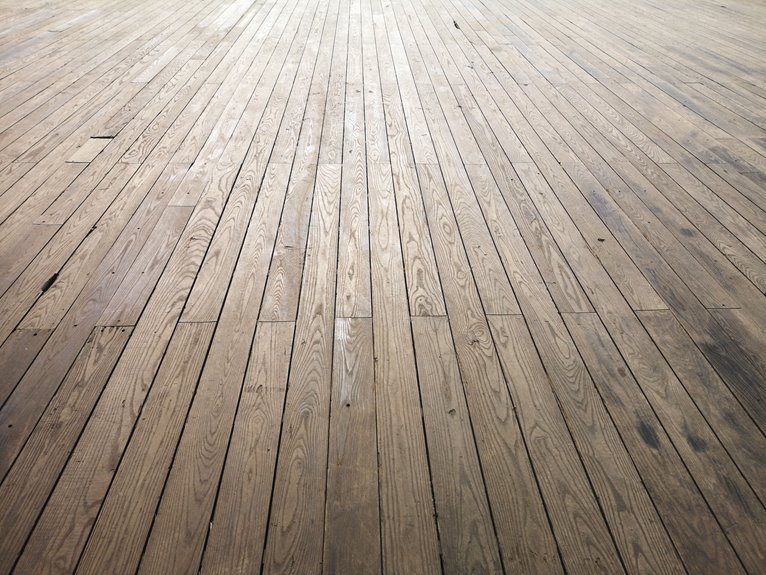
I’ve seen oak floors last through forty years of muddy boots and dancing shoes, while cheap engineered flooring with a 2mm wear layer, the “bargain” your neighbor bragged about, started showing significant wear after a decade.
Solid hardwood can last 50 to 100 years if you refinish every 10-15 years.
Engineered flooring with a thick 4mm or 6mm wear layer can reach 30-45 years.
The durability depends on that top wear layer you actually walk on, plus selecting harder species like hickory over soft pine if your household is active with pets and heavy traffic.
Species selection, finish quality, and whether you address scratches promptly rather than ignoring them determine the actual lifespan of your flooring.
How Long Does Wood Flooring Last?
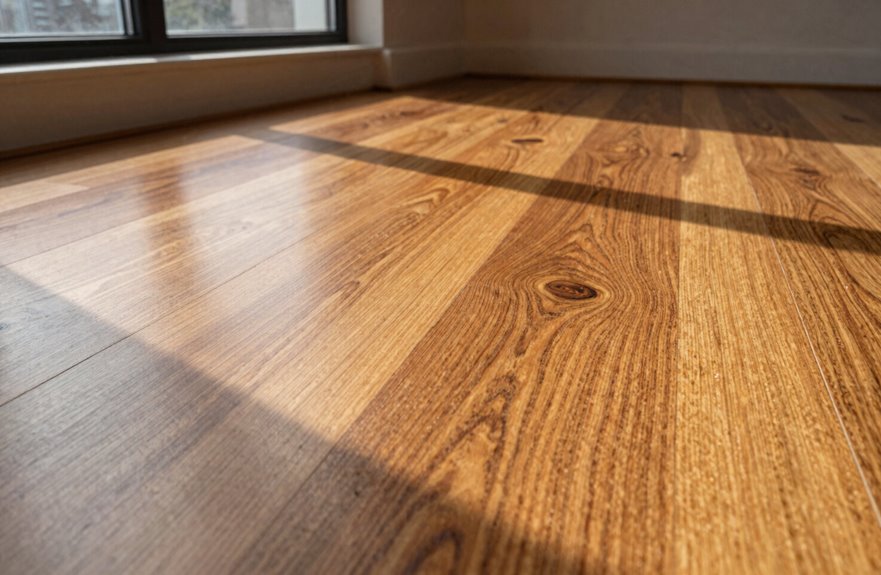
So, how long does wood flooring actually last? The answer really depends on what you’re installing. Engineered wood flooring offers significant durability that many people underestimate.
The wear layer thickness is the critical factor in your investment. A 3mm layer lasts 20 to 30 years, while a 4mm layer lasts 30 to 45 years. This longevity withstands decades of daily use, including spills and active household traffic. Refinishing extends this timeline further; a 2mm wear layer allows for one sanding, but a 6mm layer permits five refresh cycles.
Your finish type also affects durability. Lacquer resists scratches but shows wear over time, while oil is forgiving but requires more frequent maintenance. Proper maintenance directly impacts how long your floors perform. The comparison to laminate is stark; laminate flooring lasts only 8 to 15 years. Real-world examples show that 4mm engineered wood floors regularly perform well for thirty years or more.
Solid or Engineered: Which Actually Lasts Longer?
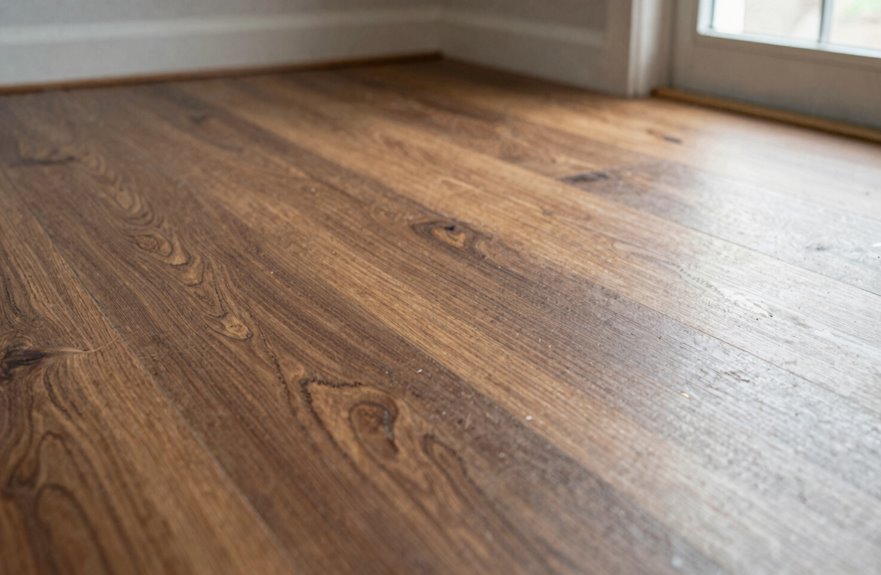
I’ve installed both solid and engineered hardwood. The wear layer on engineered wood is significant. With 4mm, you get maybe five refinishing cycles, but solid wood can take a beating, decade after decade, sanding after sanding. Engineered wood works well for basements and humidity-prone areas, but if you’re talking raw longevity, solid wood’s refinishing potential offers a substantial advantage.
Wear Layer Depth
The wear layer is the walkable surface that determines the overall lifespan of your flooring. Engineered wood with substantial wear layer depth can match or even exceed the longevity of solid wood.
| Wear Layer | Refinishing Cycles | Expected Lifecycle |
|---|---|---|
| 2mm | 1 sanding | 15–20 years |
| 3mm | 2–3 refinishings | 20–30 years |
| 6mm | Up to 5 refinishings | 40–60 years |
Each refinishing cycle removes approximately 1mm of material, so wear layer thickness directly determines your refinishing potential and total lifespan. Solid wood’s plank thickness plays a similar role, and engineered wood with thick wear layers can deliver significant lifecycle value.
Refinishing Potential Compared
I’ve learned through experience that not all engineered wood is created equal. The wear layer is critical to performance. I’ve seen gorgeous planks with 2mm layers barely survive one refinishing cycle, while thicker 6mm options complete five cycles successfully.
Your typical 3mm or 4mm engineered wood gives you 20 to 45 years depending on maintenance and coatings. Each refinishing cycle strips about 1mm of material, so thicker wear layers directly correlate to more refinishing opportunities. This means you can refresh your flooring’s appearance multiple times throughout its lifespan without replacing the entire floor.
Lifespan by Wood Species: From Soft Pine to Dense Hickory
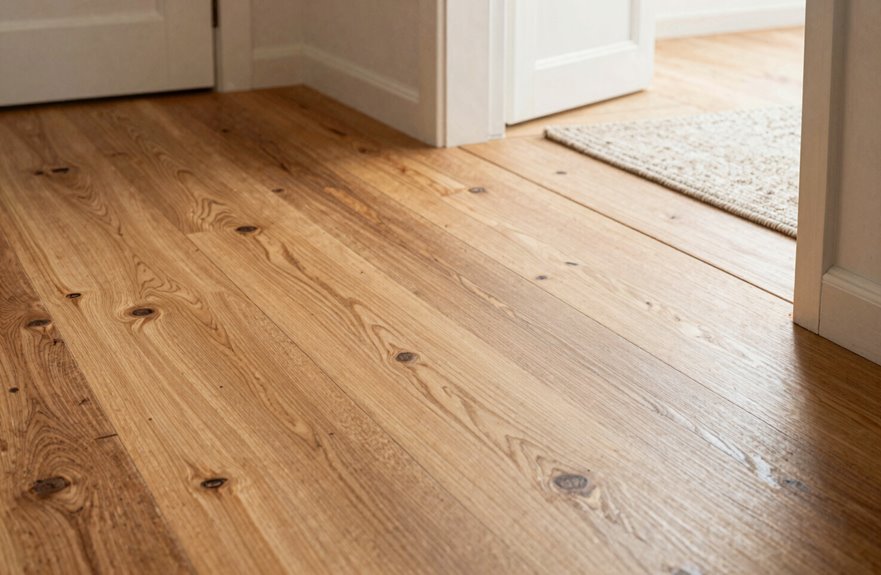
Pick a flooring species, and you’re basically deciding how many birthday candles you’ll blow out before sanding it down to the subfloor.
Soft pine offers a gorgeous, warm, farmhouse aesthetic, but it dents easily from dropped objects. Lifespan reaches 10-20 years in high-traffic areas, though protective finishing extends that to 20-30 years.
Oak remains the most popular choice. It performs well in hallways and other spaces, supporting 2-3 refinishing cycles over 20-40 years of service.
Maple resists dents effectively, though scratches become visible under light. It performs in the same 20-40 year range as oak.
Hickory offers superior durability at 30-50 years and withstands heavy use and wear from children and pets.
Walnut and ash provide 25-40 years of performance with elegant, understated appearance and natural warmth.
5 Factors That Double (or Halve) Your Floor’s Lifespan
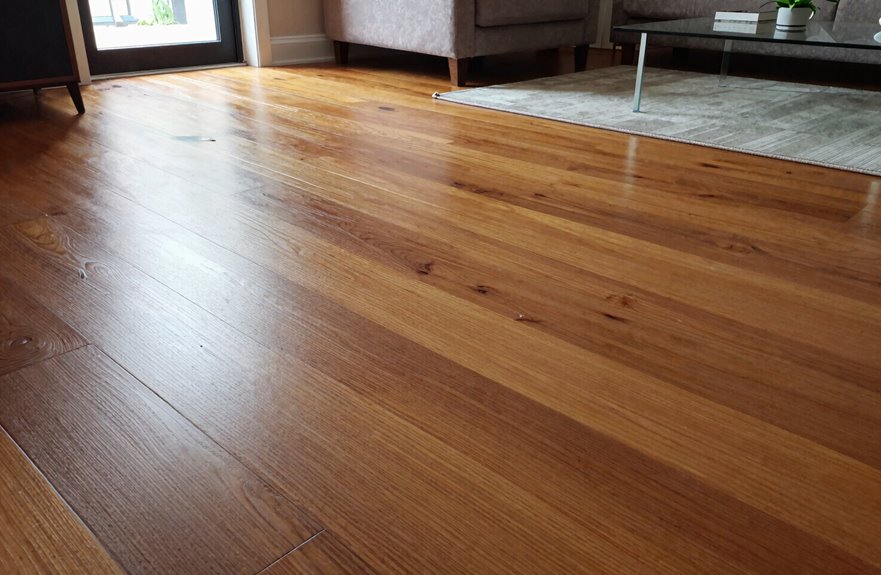
Whether you’ve splurged on hickory or budgeted for bargain pine, you want that floor to last, because ripping up planks mid-mortgage is costly and disruptive. Lifespan factors aren’t mysterious; they’re measurable choices made at purchase.
Here’s what separates floors that fail prematurely from those that become family heirlooms:
- Wear layer thickness, that precious top slice of real wood, determines everything. 3mm engineered wood typically lasts 20–30 years, while 4mm engineered wood lasts 30–45 years. Greater thickness enables more refinishing cycles.
- Finish type significantly impacts durability. Lacquer resists scratches effectively; oil accommodates dents but requires more maintenance.
- Durability outcomes depend on refinishing cycles every 10–15 years. Your real-world longevity directly reflects these maintenance decisions.
Refinish or Replace? Knowing When to Call It
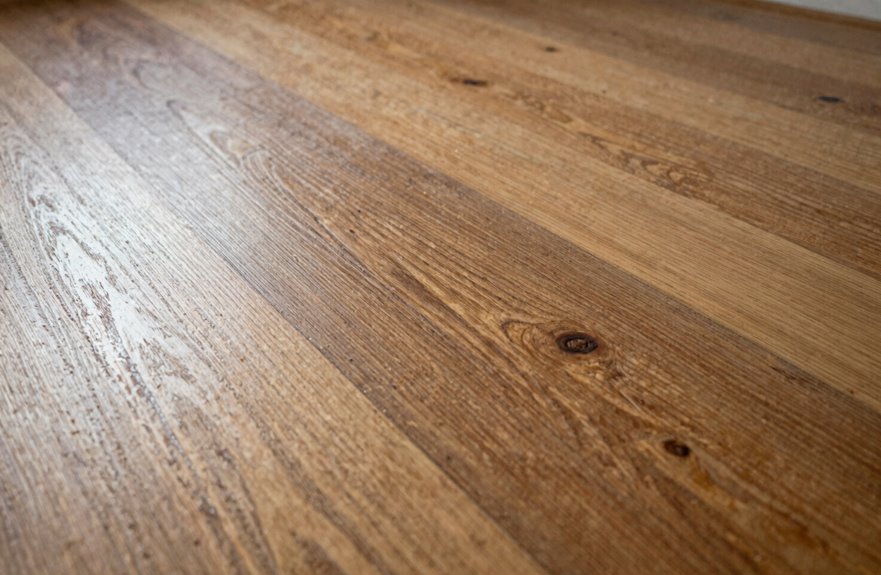
I’ve stared at enough scratched, dull floors to know that moment when you catch yourself wondering: is this salvageable, or am I just delaying the inevitable. You’ll spot the warning signs soon enough: deep gouges that catch your sock, gray patches where the sun’s eaten through the finish, that high-traffic path from your kitchen that looks more like a bowling alley lane. This guide walks you through exactly how thick your wear layer needs to be for another round of sanding, when even heroic refinishing can’t save the day, and how to make that call with confidence.
Signs of Wear
A few summers ago, I stared at my living room floor, really stared at it, like you do when you’re avoiding vacuuming, and realized I’d been ignoring the truth for months. The wear had become impossible to deny.
Here’s what I finally saw:
- Scratches catching sunlight like tiny rivers across the planks
- Dull patches where the finish had surrendered to traffic
- Grooves forming along the grain, deeper than I’d feared
That wear layer thickness determines everything. My engineered wood had maybe 3mm left, meaning one sanding before I’d hit trouble. Thicker layers, 4mm or even 6mm, buy you decades more lifespan and multiple refinishing cycles. Each sanding removes roughly 1mm, so deeper damage demands more material. Catching wear early keeps your floor functional for your family longer.
Refinishing vs Replacement
So you’re standing at that fork in the road, hand on your hip, wondering if your floor has another life in it or if it’s time for replacement. Staring at scuffed engineered wood forces a practical decision.
Wear layer thickness is everything. That 2mm surface gets maybe one refinishing cycle before it fails. Invest in 6mm, and you’re looking at five refresh cycles. Finishing material matters too. Oil shows wear faster, while lacquer extends the timeline.
Proper maintenance stretches lifetime durability, but when you’re down to bare wood, replacement becomes the only option. Refinishing vs replacement is a practical choice based on your floor’s condition and your own needs.
How to Add 20+ Years to Any Wood Floor
Because I’ve seen too many gorgeous floors die young from neglect, I’m focused on squeezing every possible year out of mine. You can absolutely add two decades or more to any wood floor without treating it like a museum piece.
Floors die young from neglect—squeeze every possible year out of yours without making your home a museum.
Here’s how it works in your home:
- Choose thicker wear layer engineered wood. That extra millimeter (4mm versus 3mm) buys you another decade of lifespan.
- Master strategic refinishing. Friends have revived tired planks every 10–15 years, turning scuffed surfaces into showroom stunners again.
- Pick finishes that match your chaos level. Lacquered durability works for busy households, while oil finishes suit scratch-happy pet owners who want quick fixes.
Maintenance isn’t glamorous, but wear-through protection through smart choices means your floor will outlast your mortgage.