The 6 ideas below run from weekend-installable luxury vinyl to end-grain block that needs a checked subfloor, so the deciding factor is how much of the room you are willing to give over to maintenance.
1. Hardwood Flooring
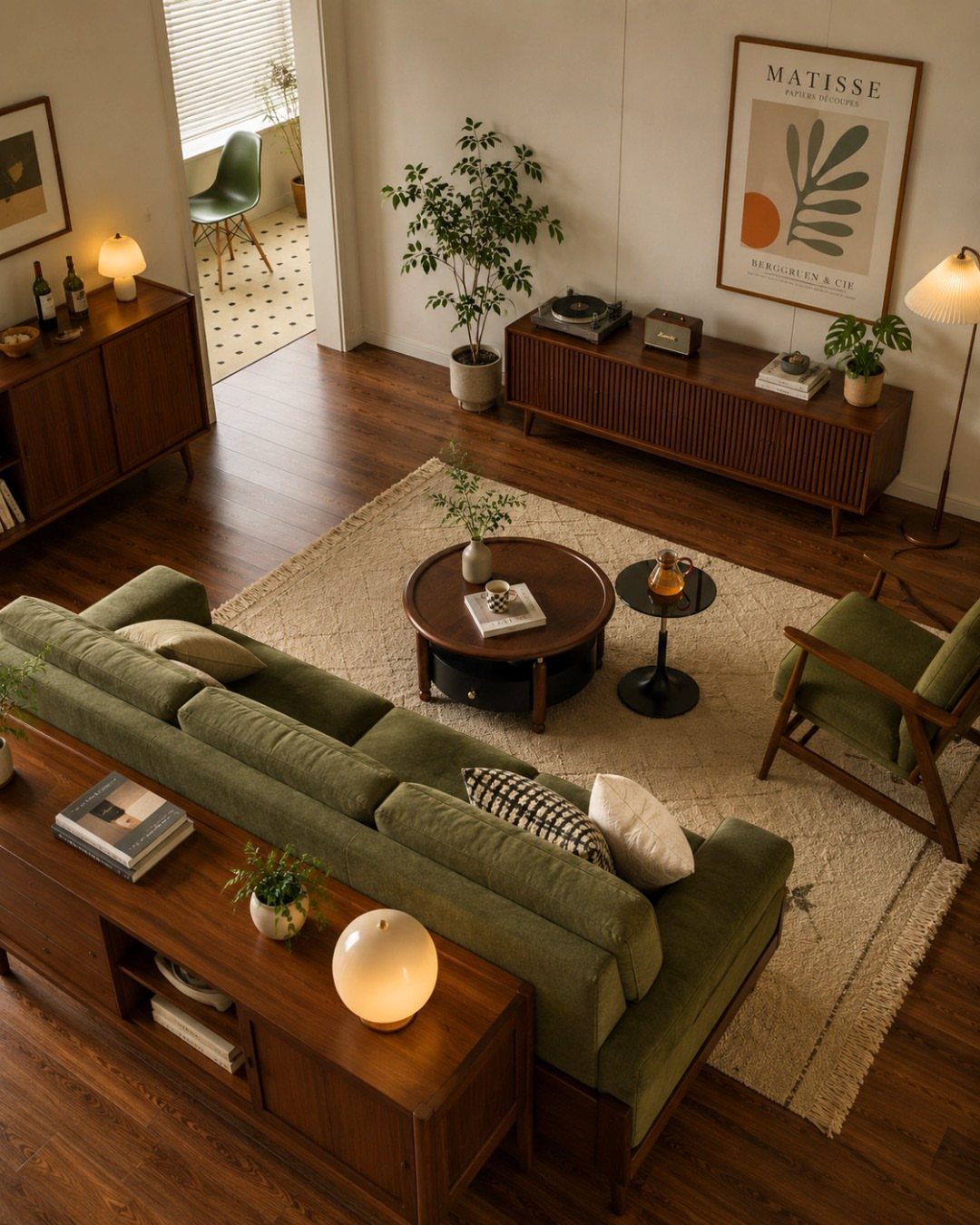
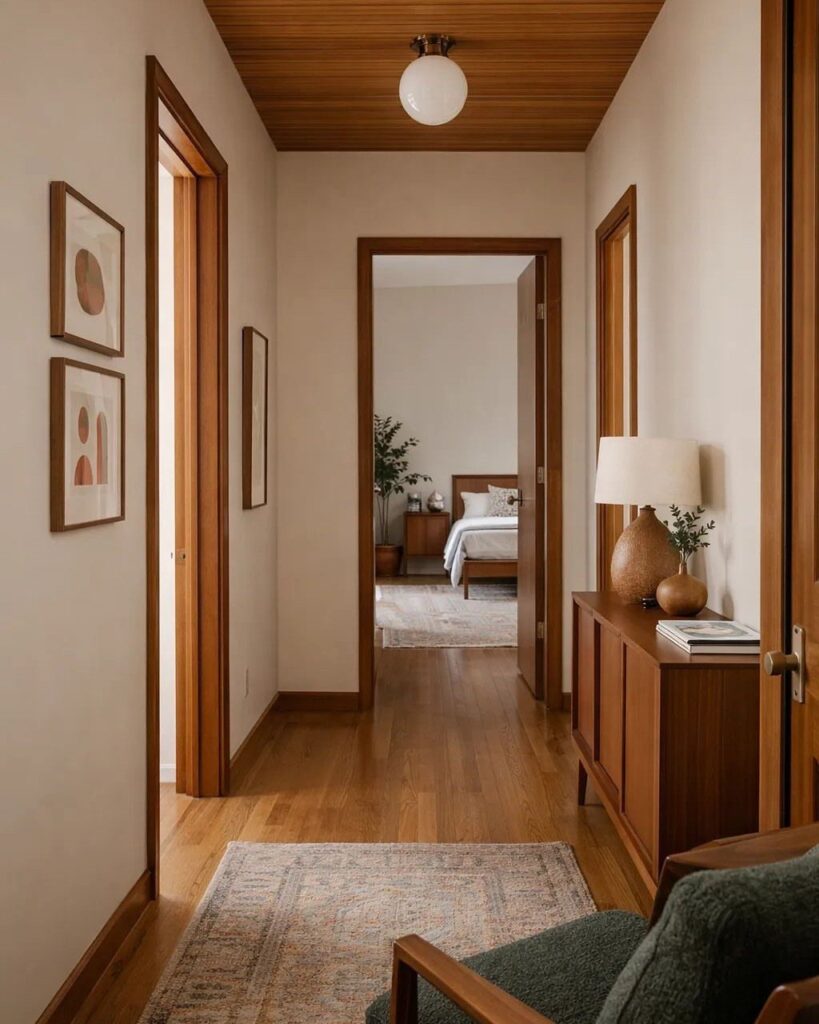
Red oak or walnut in a clear finish, usually laid in narrow strips, is what you’ll find under the original mid-century sofas still sitting in Eichlers and ranches from that era.
I like it for busy houses because it can be sanded and refinished every decade or so instead of replaced.
If your ceilings, paneling and cabinets are already wood, I’d look at a different material for the floor. Too much of the same tone flattens a room.
Luxury vinyl plank that tries to copy this look tends to read plastic under daylight, so I skip it when the real thing is within reach.
As a legacy luxury piece, hardwood is the perfect accompaniment to Mid Century Mindset design.
2. Parquet Flooring
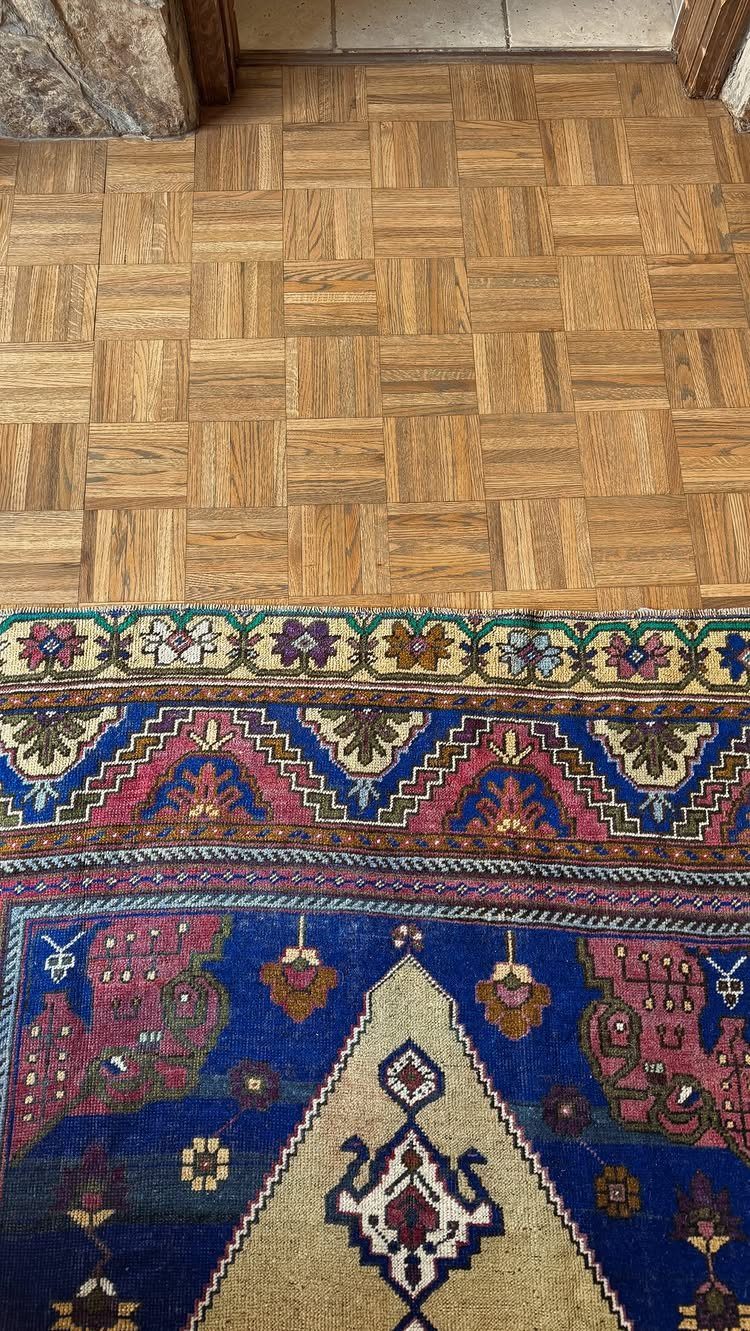
Small squares of red oak locked into herringbone or basketweave patterns were common enough in the era that they’re still turning up under lifted carpet in postwar subdivisions.
The original stock is getting harder to source, so I price reclaimed lots before I commit to a full room.
A colorful flatweave rug over the top breaks up the geometry and keeps the floor from feeling like a ballroom.
I’d use this in an entry or a dining room where the pattern gets seen but not walked on all day, since the grooves collect grit more than strip flooring does.
3. Blonde or Honey-toned Wood Floor
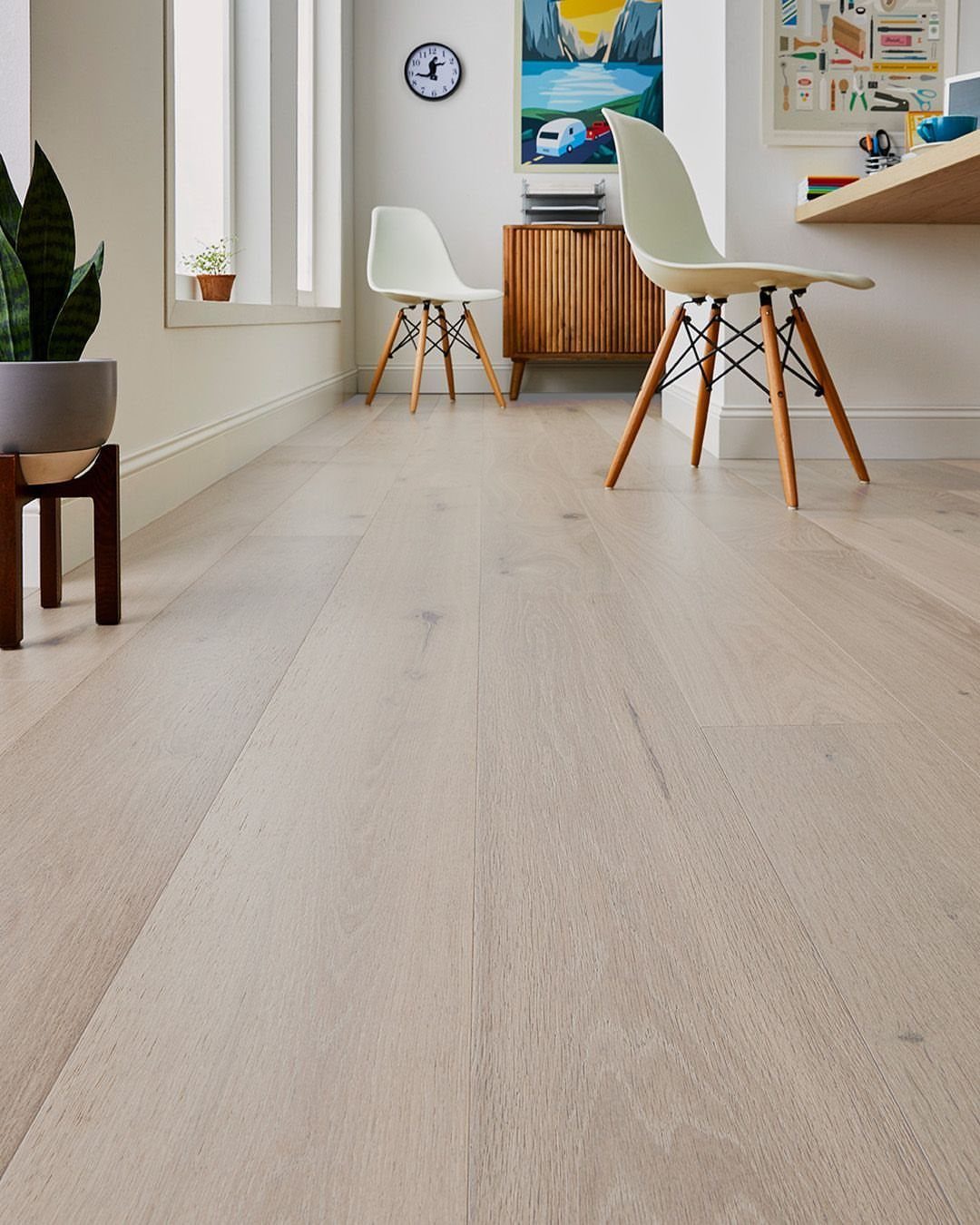
Oak or maple lifted to a blonde or honey tone keeps a low-slung room feeling open, which matters when your furniture sits on legs instead of skirts and you want the air to move underneath.
I’d push toward wide planks if I were buying new; the wire-brushed texture some mills offer now hides the scuffs from a dog or a toddler better than the glass-smooth originals.
I aim this color at rooms that get real daylight. In a north-facing space it can turn flat and yellow, and no amount of teak furniture saves it.
For a ranch or a sunroom with globe pendants and terrazzo accents, though, it is the right warm base.
4. Wide Plank Wood Floor
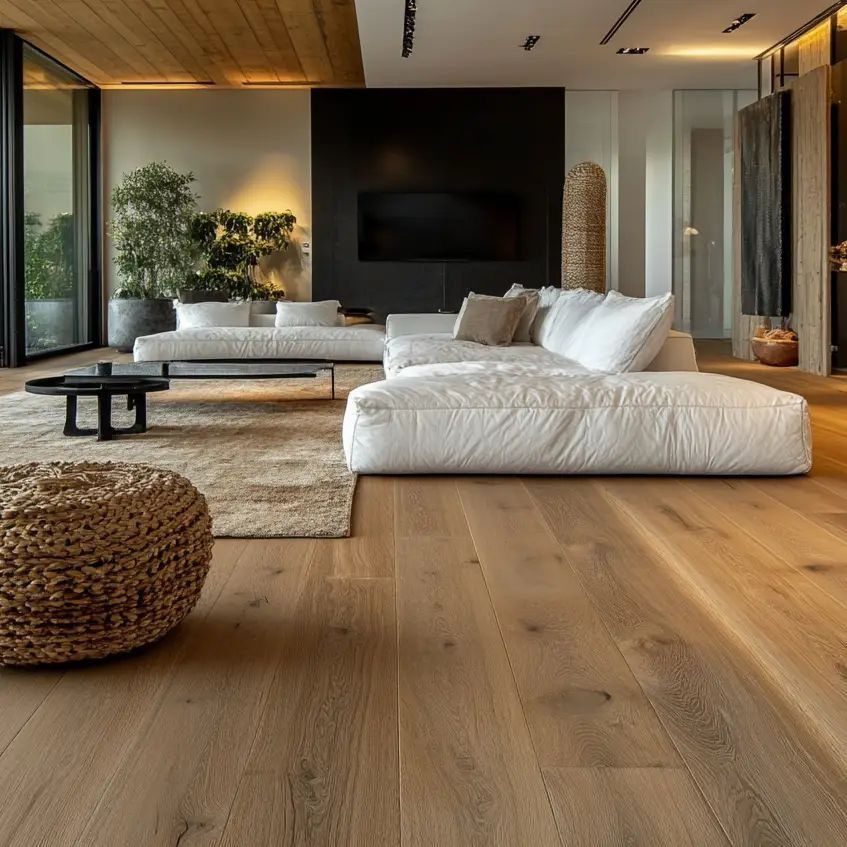
The original planks ran narrow, but a wider board changes the proportion of a room without fighting the rest of the vocabulary.
I use this when the client wants the look to read current rather than period-perfect, or when the space itself is oversized and narrow strips would look like graph paper.
Pale wide planks under a low white sectional work because the floor does not compete. I’d avoid going this wide in a genuine postwar kitchen with original cabinets; the scale starts to feel like a farmhouse instead.
5. Wood and Marble Grid Floor
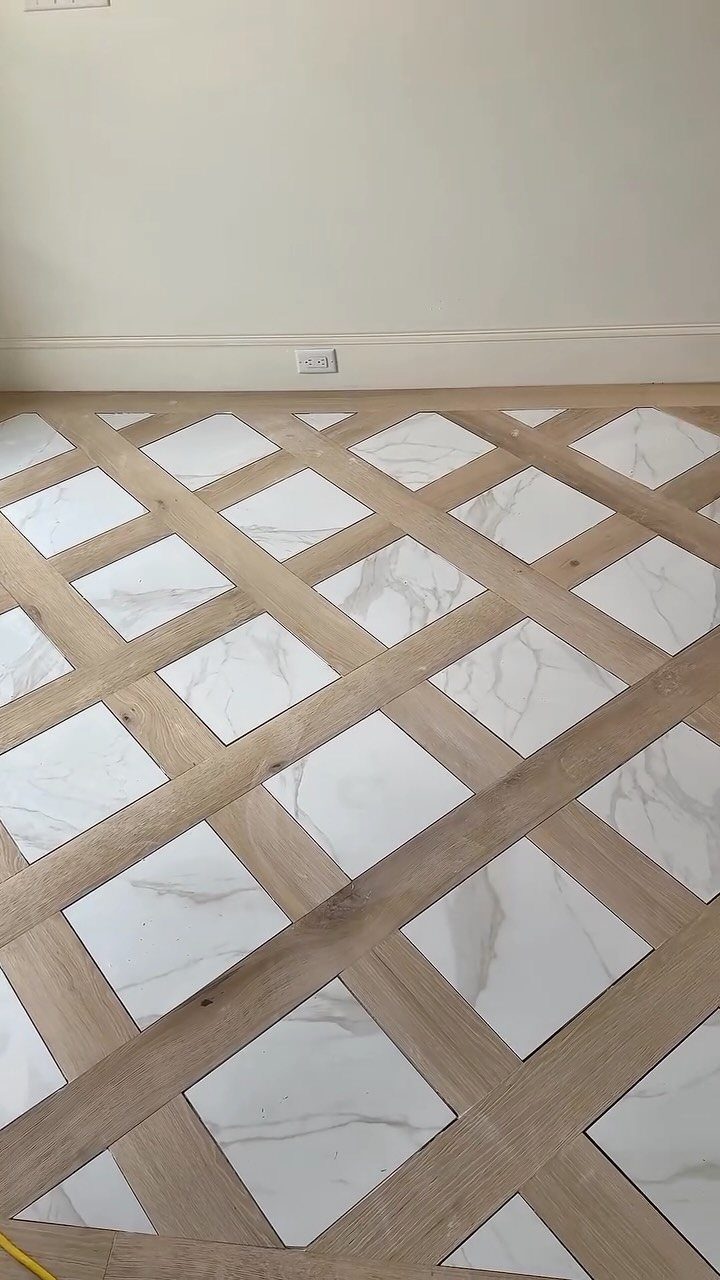
Light wood strips set in a grid with white marble-look tiles, the marble turned diagonal so the whole floor reads as repeating diamonds, is a hard surface that acts like a rug.
I would not try to lay this myself; the cuts around the perimeter of any room that is not perfectly square will show every error.
Cost runs high because you are paying for two materials plus the labor of marrying them.
I’d reserve it for a foyer or a powder room where it gets seen daily and walked on rarely, and I’d check that the marble-look tiles are actually porcelain or ceramic rather than soft stone that etches.
6. End-grain Wood Block Floor
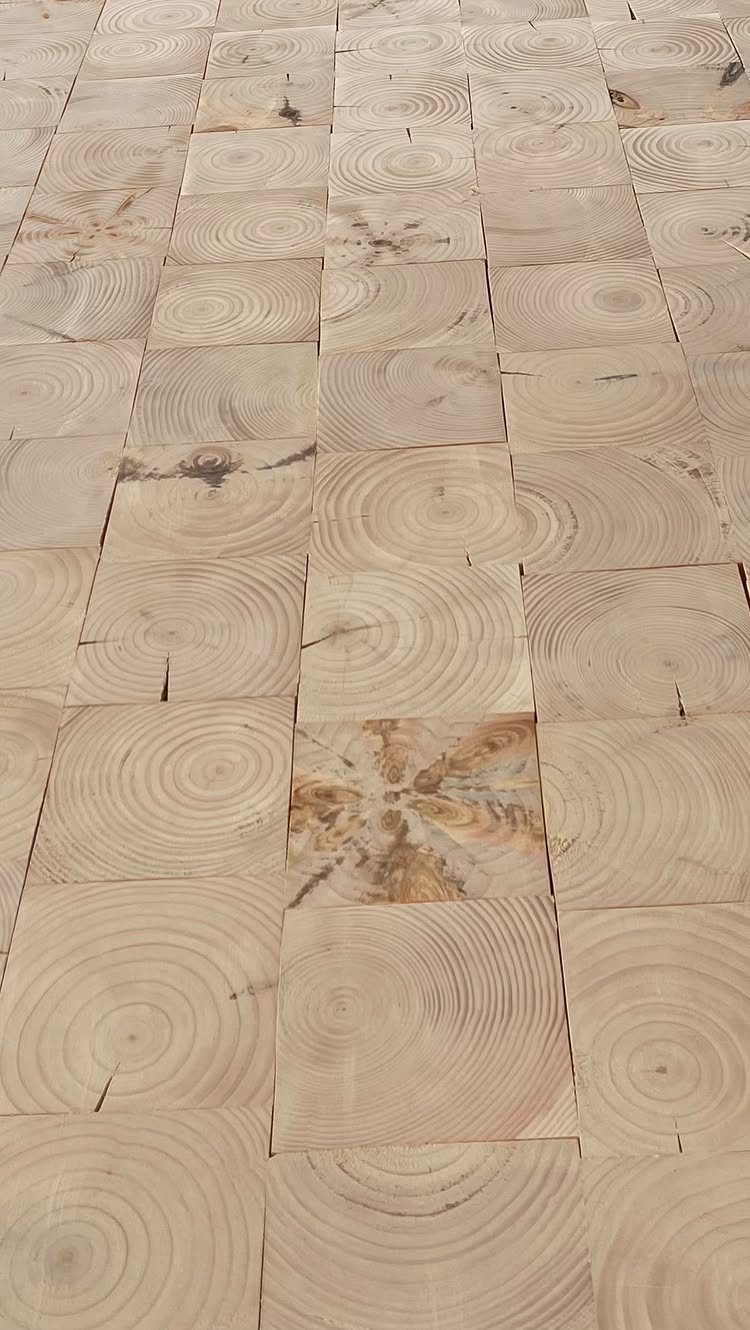
End-grain blocks, cut crosswise so the rings face up like small wooden targets, were factory flooring once because the surface is tough enough to bounce machinery off.
For a house, the texture underfoot is different from any flat-sawn plank, almost cork-like, and the pattern of rings is the decoration.
Pale squares in a tight grid are the way to go; dark end-grain starts to look like industrial cobblestone.
Moisture is the enemy here, so I would not put it in a bathroom or a basement without checking the subfloor conditions myself.
Choosing the Right Wood Species
Red oak carries the grain pattern that reads as mid-century the moment you walk in, and it takes the beating of a house with kids or dogs without complaint.
Walnut sits deeper in tone and works best when you want the floor to feel like furniture rather than background.
I would not install both in sight of each other; the contrast is too sharp and the eye keeps catching the junction instead of resting.
If you are matching existing trim or cabinetry, bring a sample board home and look at it under your actual bulbs at night.
The orange cast of a 2700K LED changes oak more than it changes walnut, and that shift matters across an open plan.
Avoiding Modern Trends
Gray floors read as a choice from the last decade, not the middle of the last century, and they fight the warm undertone of teak or walnut furniture.
I would also skip anything hand-scraped or heavily wire-brushed for rustic effect; the original mid-century surface was machined flat and left clean.
The same restraint applies to finish. A matte or satin finish keeps the period feeling intact.
High-gloss polyurethane looks wet and new, and it shows every scratch that a satin would hide. Low-profile furniture with simple lines already does the work of making a space feel open; the floor should support that, not announce itself.
Maintaining Hardwood Floors
Sanding and refinishing is the trade you make for a floor that lasts the life of the house. I budget a few dollars per square foot for the job, more if the crew has to hand-scrape around radiators or built-ins.
Between refinishings, a felt pad under every chair leg and a no-shoes rule at the entry do more than any product I have tried.
Water is the real enemy; a plant saucer left for a weekend can leave a dark ring that needs sanding out. I keep a stack of clean rags near the kitchen sink and blot spills before they reach the seams.
Balancing Materials
Wood against tile or concrete works when the transition is sharp and the materials stay in their own territory.
A wood strip floor that runs up to a concrete hearth, with no threshold strip, reads as intentional; the same wood butting against tile with a metal T-molding looks like a repair.
I would not put large-format tile in the same visual field as wood flooring unless the colors are deliberately different enough to read as separate zones.
Earthy neutrals in matte finish, warm gray or terracotta, can pair with mid-century furniture, but the grout lines and the wood grain ask for breathing room.
A virtual mockup helps here; the contrast that looks right on a screen is usually slightly more than I would choose in person, so I dial it back by one step.
Frequently Asked Questions
What is the best flooring for a mid-century modern house?
Red oak or walnut with a clear finish was the standard then and it still holds up now; sand it down and refinish when the surface wears instead of tearing the whole floor out.
Engineered wood works if you need stability over concrete, and terrazzo fits the era for entryways or sunrooms. I’d avoid luxury vinyl plank that copies the wood look; it reads as plastic under daylight.
What wood is popular for mid-century modern?
Red oak was the most common species by far, with walnut and teak showing up in higher-end installations.
Cherry appeared too, but oak dominated postwar subdivisions and ranches because it was affordable, hard-wearing, and took the clear or lightly tinted finishes designers favored. The grain was left visible, not hidden under gloss.
Is mid-century modern still in style in 2026?
Yes. The clean lines and functional forms from the 1940s–1960s have cycled back repeatedly because they fit open-plan living and let furniture breathe in smaller footprints.
Original Eichlers and ranches keep trading hands, and manufacturers still produce the period’s key pieces. The look survives because it adapts; wide plank floors or wire-brushed textures read current without breaking the vocabulary.